Primary Location
Seal Beach Personal Injury Lawyers
207 Main St, Seal Beach, CA 90740
Phone: (562) 620-8075
Call us at (855) 855-8910

Table of Contents
ToggleYou pay your premiums on time. You file a claim. And then nothing happens. Or worse, you get a letter that makes no sense.
Bad faith doesn't always look obvious. Sometimes it's a delay that stretches for months. Other times it's a settlement offer so low it barely covers your copay. Here's what we tell clients to watch for:
In Seal Beach, where 43% of residents are 65 or older, these delay tactics hit hard. Seniors on fixed incomes often face pressure to accept whatever the insurer offers. But a quick payout that leaves you short isn't fair. And in California, it may be illegal.
Many bad faith disputes begin with an underlying injury claim. Our personal injury attorneys in Seal Beach handle both the injury case and the insurance fight.
Bad faith isn't limited to one kind of policy. We see disputes across nearly every coverage type in Seal Beach:
If you hold any of these policies and your insurer has made the claims process harder than it should be, that's worth a closer look. For a full breakdown of how insurance disputes move through the legal system, visit our insurance litigation lawyer Seal Beach page.
California doesn't leave this to guesswork. Insurance Code Section 790.03 spells out what counts as an unfair claims settlement practice [1]. The law lists 16 specific acts that insurers cannot commit.
Some of the most common violations include:
And here's something most people don't realize. A single violation can be enough. California courts have ruled that insurers don't need a "pattern" of misconduct to face consequences. One knowing violation of Section 790.03 counts [1].
The Orange County-LA County border runs right through Seal Beach. That means your claim may involve adjusters from different regional offices with different practices. Your rights under California law don't change based on which office handles your file.
There are two ways bad faith shows up, and they work differently.
First-party bad faith is between you and your own insurer. You filed a claim on your homeowners policy after storm damage. They denied it or underpaid it. That's a first-party dispute.
Third-party bad faith involves someone else's insurer. Say you were rear-ended and the at-fault driver's insurance company refuses to offer a fair settlement. In California, third-party bad faith claims are harder to bring, but they're not impossible.
Most bad faith cases in Seal Beach are first-party. You paid for coverage. The insurer didn't hold up their end. California law gives you tools to hold them accountable for that.
Most policyholders don't know this. When an insurer acts in bad faith, the damages go well beyond what you originally claimed.
California treats bad faith as both a contract breach and a tort. That distinction matters because tort claims open the door to categories of damages that a simple breach of contract case can't reach.
Here's what you may be entitled to:
Punitive damages require "clear and convincing evidence," which is a higher bar. But when an insurer has blatantly ignored your claim or lied about your coverage? That bar gets easier to reach.
Coastal Seal Beach homeowners facing flood, wind, or salt-damage denials often have six-figure claims. When the insurer low-balls or denies those claims entirely, the math on a bad faith lawsuit starts to make a lot of sense.
Our legal team at The Simon Law Group took a case to trial where the insurer's last offer was just $12,500. The jury came back with a $49,909 verdict, more than quadrupling what the insurance company wanted to pay. Different case, different facts, but it shows what can happen when you push back.
Don't wait for your lawyer to start building the case. There are things you can do right now that will make a real difference later.
Save everything. Every email, letter, voicemail, and text from your insurer. Screenshot your online portal. Print claim status pages before they change.
Write down the timeline. When did you file? When did they respond? How many times did you follow up? Dates matter in these cases.
Don't give a recorded statement without legal advice. Insurers sometimes ask for recorded statements and then use your words against you later.
Get a second opinion on repair or medical estimates. If the insurer's adjuster valued your claim at half of what independent contractors or doctors say, document that gap.
Request the denial in writing. If they won't put it in writing, that's a red flag on its own.
Seal Beach's construction boom, with $27.4 million in building projects in FY 2025-26, means contractor insurance disputes are on the rise. If you're dealing with a construction-related claim, gather your permits, invoices, and adjuster correspondence early. These documents disappear fast once a dispute heats up.
So you've decided to fight back. Here's what actually happens when you bring a bad faith case to our Seal Beach office at 207 Main St.
Step 1: Policy review. We pull apart your insurance policy line by line. The goal is to find exactly what your coverage promises and where the insurer fell short.
Step 2: Claims file analysis. We request your full claims file from the insurer. This includes their internal notes, adjuster reports, and communications. Sometimes the most damaging evidence is what they wrote about your claim behind closed doors.
Step 3: Demand and negotiation. Before filing suit, we send a detailed demand letter that lays out the bad faith conduct, the legal violations, and the damages. Some cases resolve here. Many don't.
Step 4: Litigation. If the insurer won't settle fairly, we file in court. Our Seal Beach office handles cases in both Orange County and Los Angeles County courts. For border-area residents, that flexibility matters.
Step 5: Discovery and depositions. This is where we get to depose the adjusters and decision-makers who handled your claim. Under oath, the truth tends to come out.
Step 6: Trial or settlement. Most cases settle before trial. But we prepare every case like it's going to a jury. That preparation is what drives fair settlements.
When insurers tried to use "light impact" and "minimal property damage" arguments to deny a client's injuries, our trial attorneys in Seal Beach took the case to court and won a $1.13 million jury verdict. Preparation and willingness to go to trial changed the outcome.
Insurance companies have playbooks. And once you know the plays, they're easier to spot.
The lowball offer. They send a quick check for a fraction of your claim. The hope is you'll deposit it and move on. Sometimes they attach language that says cashing the check means accepting the settlement. Read everything before you sign or deposit.
The delay game. They don't deny your claim. They just don't process it. Weeks turn into months. The goal is to frustrate you into giving up or accepting less.
The exclusion trick. Your roof leaked after a storm? They'll argue it was "wear and tear" rather than storm damage. Your car was totaled? They'll claim the value was lower than market price.
The recorded statement trap. They call you while you're stressed and ask for a recorded statement. Anything you say gets used to minimize your claim.
The "independent" medical exam. They send you to a doctor they picked and paid for. That doctor's job is to say your injuries aren't as bad as your own doctor reported.
Can you still file a bad faith claim if you already accepted a low settlement? Possibly. If the insurer used pressure, misrepresentation, or withheld information, California law may still give you a path forward. You can also file a complaint with the California Department of Insurance [3] if you believe your insurer violated state law.
In another case, a client was rear-ended at just 2-3 MPH. The insurance company disputed the injuries and even challenged the brake light claims. Our attorneys took it to trial and secured a $256,236 jury verdict. The insurer bet on a small impact meaning small damages. The jury disagreed.
When insurers refuse to pay fairly, we take them on. Here are results from cases where insurance company tactics forced our clients to fight back.
Soft tissue injury case where the insurance company's last offer was $12,500. Our client took the case to trial and more than quadrupled the insurer's final offer.
Light impact rear-end collision that the insurer tried to minimize. Our client suffered shoulder and lower back injuries. Jury verdict obtained in Riverside.
Rear-end collision at only 2-3 MPH. The insurance company disputed the injuries and challenged brake light claims. Jury sided with our client at trial.
Every case is different. Past results do not guarantee a similar outcome.
Our attorneys have handled personal injury cases across California and Arizona. We know how Seal Beach insurance companies operate, and we know how to push back.
That number reflects real results for real families — medical bills paid, lost wages recovered, and futures protected.
You pay nothing upfront. Our fee comes out of your settlement or verdict.
Accidents do not follow business hours. Neither do we. Call (562) 620-8075 any time — nights, weekends, and holidays.
Our Seal Beach team works out of 207 Main St. We know the roads, the courts, and the insurance adjusters you are up against.
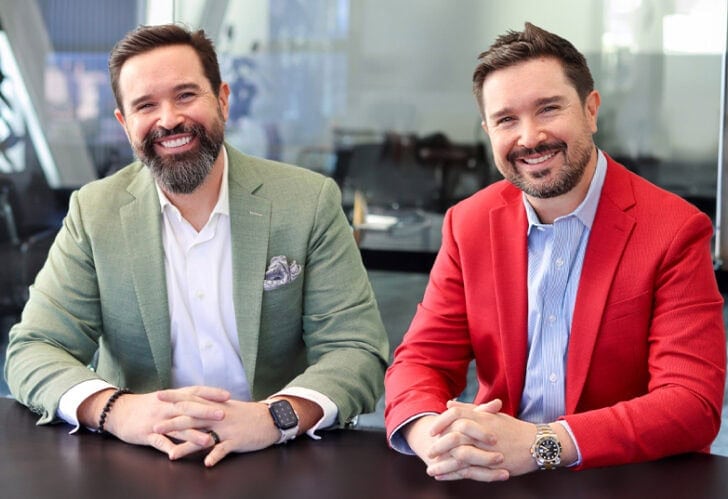
“After a crash, you need a team that answers the phone, explains your options, and fights for every dollar you are owed. That is what we do at The Simon Law Group.”
Over 250 years of combined attorney experience
Seal Beach office at 207 Main St | Licensed in California and Arizona
Look for red flags: denial without explanation, long delays, lowball offers, or refusal to investigate. Under CA Insurance Code 790.03, these are illegal. Contact a Seal Beach bad faith insurance lawyer for a free case review.
You can recover the original claim amount, emotional distress, attorney fees, and punitive damages. California allows both contract and tort claims, which means your recovery can far exceed the policy benefit.
Yes. Our office at 207 Main St in Seal Beach handles coastal property disputes including flood, wind, and salt-damage claim denials. These are common in Orange County beach communities.
Possibly. If the insurer used pressure, misrepresentation, or withheld information, you may still have a valid bad faith claim under California law. An attorney can evaluate your situation.
The statute of limitations is typically two years for tort claims and four years for breach of contract. Deadlines vary by case, so speak with a Seal Beach insurance attorney as soon as possible.
Yes. With 43% of Seal Beach residents aged 65 and older, disputes over health, life, and long-term care insurance denials are frequent. Seniors are often targeted by delay tactics.
Our Location
Primary Location
207 Main St, Seal Beach, CA 90740
Phone: (562) 620-8075
Other Locations
Phoenix, AZ
Austin, TX
Torrance, CA
Santa Ana, CA
Areas We Serve
From our main office in Torrance, The Simon Law Group serves injured clients across Los Angeles County and throughout California, Arizona, and Texas. Our Seal Beach office helps us better serve Orange County, and we also have offices in Phoenix, AZ, and Austin, TX.
About Our Firm
The Simon Law Group was founded 15 years ago by twin brothers and attorneys Robert and Brad Simon to protect the rights of accident victims in California. In the fifteen years since our firm was established, our attorneys have recovered $600+ Million in settlements and verdicts for our clients. Recognized by many major legal organizations, we get results, and we’d be proud to fight for you after your accident or injury.
Follow Us!
Attorney Advertising. This website is a communication by The Simon Law Group, LLP. The attorneys responsible for its content are Robert T. Simon (California State Bar No. 238095) and Brad Simon (California State Bar No. 244369). The firm's principal office is located at 2916 W 164th Street, Torrance, California 90504. The information here is general and is not legal advice, and viewing it or contacting the firm does not create an attorney-client relationship. Prior results do not guarantee a similar outcome.