
Primary Location
Phoenix Personal Injury Lawyers
2700 N Central Ave Suite 320, Phoenix, AZ 85004, United States
Phone: (602) 905-0124
Call us at (855) 855-8910

Table of Contents
ToggleSun Tran runs 39 bus routes across Tucson. Thirty-nine. And those routes cut through some of the most dangerous stretches of road in the state. So when things go wrong, they go wrong fast.
What causes most of these crashes? Honestly, the same things that cause car wrecks, just with a much bigger vehicle behind them.
Tucson logged 5,684 crashes in 2024 [1]. More than three out of four happened at intersections, and bus routes run through the worst of them.
When a Sun Tran bus and a passenger vehicle collide, the case often looks more like one of our car crash claims than a standard transit incident — except with a government defendant and a much shorter notice deadline.
Here is what most people get wrong about bus accident claims in Tucson. They assume the process works like a regular car accident case. It doesn't.
If a Sun Tran bus hit you or you got hurt riding one, your claim goes against the City of Tucson. That is a government entity. And in Arizona, suing a government entity has its own rulebook.
The big one: you have exactly 180 days to file a Notice of Claim under A.R.S. § 12-821.01 [2]. Not a lawsuit. A notice. And if you miss that 180-day window, it doesn't matter how strong your case is. You're locked out. Done. The court won't hear it.
Now compare that to a private bus wreck. Greyhound, a charter company, a church van. Those follow standard negligence rules and give you a full two years to file under A.R.S. § 12-542.
School buses fall somewhere in between. Public school district means government rules apply. Private school means the regular negligence timeline.
Multiple parties can share fault in a single bus accident. The driver, the transit authority, a maintenance contractor, and other motorists could all bear responsibility. One more thing that trips people up: Arizona runs on pure comparative fault. If you were 20% responsible for what happened, your settlement drops by 20%. But you still get the other 80. You don't forfeit everything just because you share some blame.
When a client walks in after a bus accident, here is the first thing we tell them. Write down everything you remember. Right now. Before the details start fading.
Call 911 first. Always. Get that police report number because you will reference it constantly as the case moves forward.
Go see a doctor. Today. Not next week. Adrenaline does a great job hiding pain. We have seen clients walk around for days with cracked ribs or a concussion they didn't know about. And here is the problem: if you wait three weeks to see a doctor, the insurance company will argue you weren't actually hurt in the crash. They use that gap against you every time.
Take photos of everything. The bus, the intersection, your injuries, the route sign, the bus number. All of it.
Get names and numbers from witnesses and other passengers. Their statements carry weight.
And whatever you do, don't talk to the bus company's insurance adjuster without a lawyer. Those calls sound friendly. They are not. Every question is designed to get you to say something that shrinks your claim or kills it entirely.
If Sun Tran was involved, remember that 180-day clock. It started the day of the crash.
Bus cases require a different kind of preparation than car accident claims. The stakes are usually higher, the liable parties are harder to pin down, and government entities don't roll over.
First thing we do is go after the video. Sun Tran buses have dashcams and interior cameras. But that footage gets recorded over on a cycle. If nobody requests it, it is gone. So we send preservation letters immediately.
Maintenance records come next. Did the brakes pass the last inspection? When was the last time the steering system got serviced? If a mechanical failure caused the crash, those documents are the proof.
For collisions near highway ramps or at high-speed intersections around the I-10, we bring in accident reconstruction specialists. You can't just eyeball a crash scene and figure out what happened when a 40,000-pound bus is involved. It takes real engineering work.
Then we build out the medical case. Hospital bills are the starting point, but the real number includes lost wages, reduced earning capacity, future surgeries, physical therapy, and any ongoing care your doctors recommend.
And depending on whether you are dealing with a government risk management office or a private insurer, the negotiation strategy changes completely. Different paperwork. Different timelines. Different pressure points.
We use the same investigative approach on bus claims that we bring to our other personal injury work — preserve evidence fast, talk to witnesses before memories fade, and document every medical visit from day one.
What can you actually recover in a Tucson bus accident case? More than most people expect.
Medical costs come first. ER bills, surgeries, rehab, prescriptions, and anything else your doctors order. If the injury requires long-term treatment, all of that gets included.
Lost income is straightforward when you miss paychecks. But what about when the injury changes your career? If you were a warehouse worker and now you can't lift more than ten pounds, the gap between your old salary and whatever you can earn now is part of the claim. That adds up over years.
Pain and suffering has no cap in Arizona personal injury cases. The physical hurt, the anxiety, the sleepless nights, losing the ability to do things you used to enjoy. All of it has value and Arizona law lets you pursue the full amount.
Punitive damages are rare but real. If the bus driver was drunk or the transit authority ignored known safety problems, the court can add punitive damages on top of everything else.
And remember the comparative fault piece. Even if they pin 15% of the blame on you, you still collect 85% of the total. That is Arizona law. It does not erase your case.
Transit crashes at highway speed regularly produce life-changing injuries — spinal damage, brain trauma, amputations — that completely reshape how a settlement needs to be valued.
Here is something people don't think about with buses. No seatbelts. Not for passengers. So when 40,000 pounds of steel stops suddenly, everyone inside becomes a projectile [3].
Head injuries happen constantly in these cases. A rider's skull hits a grab bar or the seat frame ahead of them. The brain bounces inside the skull. Sometimes it is a mild concussion that clears up in weeks. Sometimes it is a traumatic brain injury that changes everything. You might not feel symptoms for hours or even days, which is exactly why we push clients to get scanned immediately.
Our firm recovered $630,000 for a client who suffered a mild traumatic brain injury and fractured sternum in a vehicle collision. Those are the exact same injuries bus passengers sustain in sudden-stop crashes.
Back and neck injuries are the other big category. The force of a bus collision compresses the spine in ways that cause herniated discs, pinched nerves, or worse. Surgery is common. Full recovery is not guaranteed.
Broken wrists, cracked ribs, shattered hips. We see all of it. Elderly riders are especially vulnerable because their bones are more brittle and recovery takes longer.
Pedestrians who get hit by a bus face the most devastating injuries. Or they don't survive at all. Valencia Rd and 12th Ave is the deadliest intersection in Tucson, and Sun Tran routes run through it. The city counted 34 pedestrian deaths in 2024 alone.
A fair number of our bus cases involve pedestrians struck at a curb — people waiting to board, crossing behind a stopped coach, or stepping off and getting clipped by a passing vehicle.
We can't point to a specific bus accident verdict from our files. But our track record in serious injury and government liability cases tells the story.
A collision with a city-owned vehicle led to a $1.2 million settlement for our client who needed disc replacement surgery. That case required navigating the exact same government claim process that Sun Tran cases go through: the Notice of Claim, the risk management negotiations, all of it.
A red-light runner T-boned our client at an intersection. Traumatic brain injury. The settlement came in at $1.525 million. TBIs are one of the most common results when bus passengers get thrown around inside a vehicle with no restraints.
For a pedestrian struck by a semi-truck, our team recovered $2.82 million. When you are on foot and a massive vehicle hits you, the legal challenges mirror bus accident cases: proving the driver's negligence, documenting catastrophic injuries, and fighting for full compensation.
Every case is different. Past results do not guarantee a similar outcome.
Our attorneys have handled personal injury cases across Arizona and California. We know how Tucson insurance companies operate, and we know how to push back.
That number reflects real results for real families — medical bills paid, lost wages recovered, and futures protected.
You pay nothing upfront. Our fee comes out of your settlement or verdict. If we do not win your case, you owe us nothing.
Accidents do not follow business hours. Neither do we. Call (602) 905-0124 any time — nights, weekends, and holidays.
We serve Tucson clients from our Phoenix office at 2700 N Central Ave, Suite 320. We know Arizona roads, courts, and insurance adjusters — and we travel to meet you when it matters.
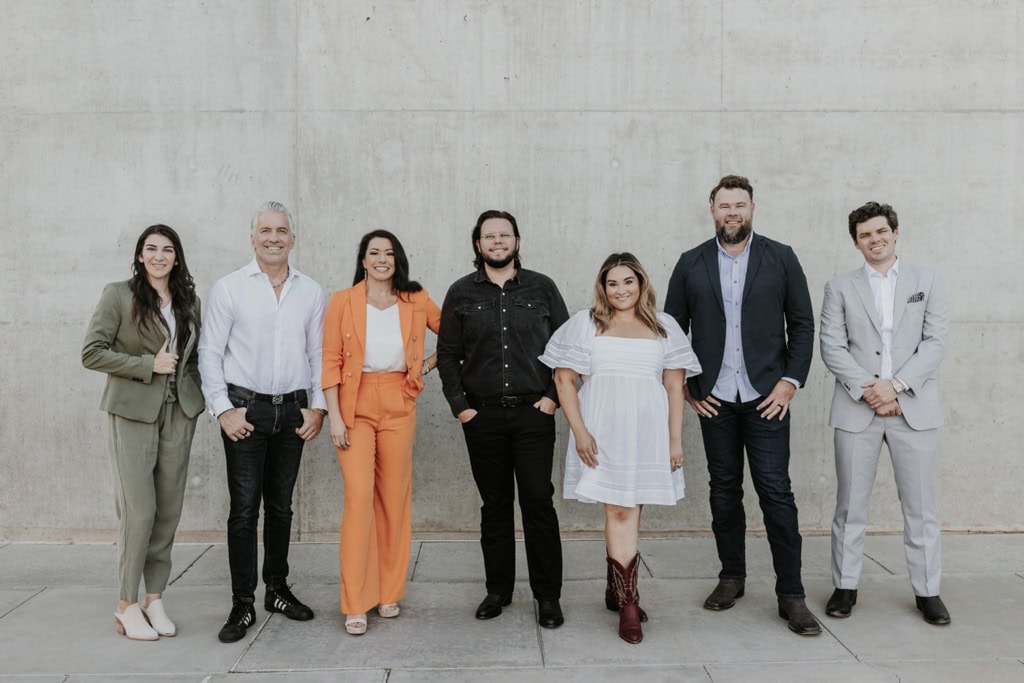
“After a crash, you need a team that answers the phone, explains your options, and fights for every dollar you are owed. That is what we do at The Simon Law Group.”
Over 250 years of combined attorney experience
Serving Tucson from Phoenix | 2700 N Central Ave, Suite 320 | Licensed in AZ & CA
It depends on the bus type. Sun Tran is city-operated, so the claim goes against the City of Tucson. Private buses follow standard negligence rules. Multiple parties can share liability in the same crash, including the driver, the transit authority, a maintenance contractor, and other motorists.
Two years for standard claims under A.R.S. § 12-542. But only 180 days to file a Notice of Claim against a government entity like Sun Tran under A.R.S. § 12-821.01. That shorter deadline catches a lot of people off guard.
Yes. Government buses trigger different filing requirements and potential damages caps. Private bus claims follow regular personal injury rules with a two-year statute of limitations.
Call 911, get medical care, document the scene with photos, collect witness contact info, and talk to a lawyer before giving any statements to insurers. If Sun Tran was involved, the 180-day government claim deadline is already running.
Yes. Pedestrians hit by buses often have strong claims. Bus drivers owe a heightened duty of care as common carriers, which means they're held to a higher standard than regular motorists.
Bus dashcam footage, driver logs, maintenance records, toxicology results, traffic camera footage, and eyewitness statements. Onboard camera footage from Sun Tran buses is especially valuable but gets overwritten on a cycle, so preserving it quickly matters.
Our Location
Other Locations
Austin, TX
Torrance, CA
Santa Ana, CA
Seal Beach, CA
Areas We Serve
From our main office in Torrance, The Simon Law Group serves injured clients across Los Angeles County and throughout California, Arizona, and Texas. Our Seal Beach office helps us better serve Orange County, and we also have offices in Phoenix, AZ, and Austin, TX.
About Our Firm
The Simon Law Group was founded 15 years ago by twin brothers and attorneys Robert and Brad Simon to protect the rights of accident victims in California. In the fifteen years since our firm was established, our attorneys have recovered $600+ Million in settlements and verdicts for our clients. Recognized by many major legal organizations, we get results, and we’d be proud to fight for you after your accident or injury.
Follow Us!
Attorney Advertising. This website is a communication by The Simon Law Group, LLP. The attorneys responsible for its content are Robert T. Simon (California State Bar No. 238095) and Brad Simon (California State Bar No. 244369). The firm's principal office is located at 2916 W 164th Street, Torrance, California 90504. The information here is general and is not legal advice, and viewing it or contacting the firm does not create an attorney-client relationship. Prior results do not guarantee a similar outcome.