Primary Location
Torrance Personal Injury Lawyers
2916 W 164th St Second Floor, Torrance, CA 90504
Phone: (424) 622-0812
Call us at (855) 855-8910

Table of Contents
TogglePeople mix these two up all the time. Can't blame them, honestly. The names sound almost identical. But under Arizona law, they're two very different things, and the difference could decide your whole case.
Lane splitting is when you ride between moving cars on a highway or city street. Still illegal here. Full stop. ARS 28-903 [1] says you can't operate a motorcycle between lanes of traffic or between adjacent rows of vehicles while they're in motion.
Lane filtering? That's the one Arizona legalized. On September 24, 2022, Senate Bill 1273 gave riders the green light to move between stopped vehicles, but only under tight conditions. The road has to have a speed limit of 45 mph or less. Traffic has to be fully stopped. And you can't go faster than 15 mph while doing it.
Arizona joined Utah and Montana as one of just four states allowing any form of this. For riders sitting in bumper-to-bumper traffic on the I-10 or Loop 101 during Phoenix rush hour, SB1273 was a game changer.
Here's where problems start though. Most drivers have no idea the law changed. They see a bike weaving between stopped cars and assume it's illegal. So they react, sometimes aggressively. Door swings open. Someone jerks into another lane without looking. That's when crashes happen.
Your case starts with one question: were you filtering legally or splitting illegally when you got hit? Everything flows from the answer.
Many of the same yield-failure patterns we see in left-turning driver motorcycle cases show up when a filtering rider is struck by a car changing lanes without looking.
We get this call a lot. Rider was between lanes, got clipped, and now assumes they can't do anything about it because they were lane splitting. Not true. Not even close.
Arizona runs on pure comparative negligence. What that means in plain English: you can still collect money even if you were partly at fault. The court just reduces your payout by whatever percentage of blame falls on you.
Think about it this way. You're riding between stopped cars in Scottsdale. Maybe you're going a hair over 15 mph, so technically you crossed the line from filtering into splitting. But the driver next to you was scrolling through their phone and yanked the wheel without checking mirrors. Both of you screwed up. The question isn't who's perfect, it's who screwed up worse.
Things that push fault toward the driver:
Now flip it. If you were filtering legally under SB1273, below 15 mph through stopped traffic, the driver has an even steeper hill to climb. Hard to argue a motorcyclist caused the crash when they were following the law and the driver wasn't paying attention.
Bottom line: don't talk yourself out of a case before you even call. The facts decide, not assumptions.
Lane splitting cases are some of the hardest fault fights in our broader Phoenix motorcycle practice because Arizona’s 2022 lane-filtering law draws a thin line between legal and illegal rider conduct.
No airbags. No crumple zones. No seatbelt. When a car clips a motorcycle between lanes, the rider takes the full hit.
One thing people don't realize is how different these crashes play out compared to a typical fender bender. A car driver walks away from a sideswipe. A motorcyclist? They end up in the ER.
Traumatic brain injuries show up more than you'd expect, even when riders wear helmets. Concussions, skull fractures, brain bleeds. And the scary part, some of these don't show symptoms until days later. You feel fine at the scene, then collapse at home two days later.
Spinal cord damage is the other big one. A hit to the back or neck at even moderate speed can cause herniated discs or, in the worst cases, paralysis. Arms, legs, wrists, ribs, they all break easily when a rider gets thrown off the bike.
Then there's road rash. In most cities it's painful but manageable. In Phoenix during summer? Different story. Pavement temperatures blow past 150 degrees. Your skin isn't just getting scraped, it's getting burned. Deep tissue burns on top of road abrasion.
Our attorneys secured a $250,000 settlement for a client who suffered multiple extremity fractures in a motorcycle versus auto collision. Double policy limits were obtained even though the client had prior crashes and a criminal record.
And don't forget monsoon season. June through September brings wet roads, standing water, and near-zero visibility during dust storms. Lane splitting during a monsoon is exponentially more dangerous. Stopping distances double. Traction disappears. The crashes that happen during these months tend to be worse across the board.
When a rider is pinned between moving vehicles, the spinal and internal injuries that follow often turn the case into one of our life-altering injury claims.
The first few hours after a crash shape everything that comes after. Mess this up and even a strong case gets harder to win.
First thing: get medical attention. No debate. Call 911 or get yourself to an ER. Banner University Medical Center and St. Joseph's are both Level 1 trauma centers right here in Phoenix. Don't play tough. Adrenaline is a liar. It masks pain for hours, sometimes longer. Brain bleeds and internal injuries don't always announce themselves right away.
Second: make sure police respond. Phoenix PD will file an accident report. You need that report number. Your attorney needs it. Your insurance company will ask for it. If the crash happened on a state highway, Arizona DPS handles it instead.
Third: document the scene yourself. Phones have cameras. Use yours. Photograph the vehicles, road surface, skid marks, debris, your injuries, everything. Grab names and numbers from anyone who saw what happened. Write down the time, location, and weather while it's fresh.
Fourth, and this one trips people up: do NOT talk to the other driver's insurance company. They'll call fast. They'll be polite. And every single word you say goes into a file that gets used against you later. "I'm fine" becomes evidence you weren't hurt. "It wasn't that bad" becomes a reason to lowball your settlement. Say nothing. Let your attorney handle it.
Fifth: call a motorcycle accident attorney. Do it before evidence disappears. Traffic camera footage gets overwritten within 72 hours at most intersections. Witnesses forget what they saw. Physical evidence gets cleaned up. Speed matters here.
Some evidence wins cases. Other evidence is nice to have but doesn't move the needle. Knowing the difference saves time and money.
Traffic camera footage is gold. Phoenix has cameras everywhere, intersections, highway on-ramps, commercial corridors. But here's the problem: most systems record on a loop. That footage gets written over in 48 to 72 hours unless someone formally requests preservation. Your attorney should file that request within the first day or two.
Dash cam or helmet cam video might be even better. If you had a camera running, that recording can be the strongest single piece of evidence in your case. It shows exactly what happened, second by second, from your perspective. More riders are running GoPros now than ever before. Smart move.
Police reports carry weight but aren't gospel. The responding officer's write-up documents the scene and an initial fault assessment. Judges and juries consider it, but it's not binding. Your attorney can challenge the report's conclusions with other evidence.
Phone records matter more than people think. If the other driver was texting at the moment of impact, cell tower data and usage logs prove it. This is huge in lane splitting cases where the driver swears they just didn't see the motorcycle. We can prove they weren't looking.
Your medical records connect the dots between the crash and your injuries. Go to every appointment. Follow every treatment plan. Gaps in your medical history give the insurance company an opening to argue you weren't really hurt that badly.
And for the complex cases, accident reconstruction experts earn their fee. They analyze vehicle positions, impact angles, speeds, and damage patterns to build a physical model of how the crash happened. When liability is disputed, reconstruction is often what breaks the tie.
Your medical bills are only part of the picture. Arizona law lets injured riders go after the full cost of what the crash did to their life.
Medical expenses come first, obviously. But it's not just the ER bill. Surgeries, PT, prescriptions, imaging, follow-up visits, and future treatments you haven't had yet all count. If your doctor says you'll need another surgery in two years, that gets built into the number now.
Lost income hurts almost as much as the injury itself. Miss three months of work and you feel it. But the bigger hit comes when your injuries keep you from going back to the same job you had before. That's called reduced earning capacity, and it can add up to hundreds of thousands over a lifetime.
Pain and suffering is harder to quantify, but it's real. Chronic pain that won't go away. Anxiety every time you see a car change lanes. Sleepless nights. The stress of a recovery that drags on for months or years. In many motorcycle cases, pain and suffering ends up being the largest part of the settlement.
Property damage rounds it out. Your bike, your helmet, your jacket, your gloves, whatever got destroyed in the crash goes on the list.
And even with partial fault? Comparative negligence doesn't wipe out your recovery. It reduces it. Twenty percent fault on a $500,000 claim still puts $400,000 in your pocket.
The damages available to a lane-splitting rider are the same ones we pursue in every injury case we take on in Phoenix — medical costs, lost income, long-term care, and the pain of permanent injury.
$1.25 Million Settlement
Our legal team secured a $1.25 million settlement for a client who needed spine fusion surgery after a motorcycle crash. The long-term impact on our client's mobility and quality of life drove the settlement value.
$845,262 Jury Verdict
Our attorneys won an $845,262 jury verdict for a motorcycle rider despite a 70% fault allocation. The crash was a left turn collision at a stop sign. The defense hammered our client's share of blame. The jury still awarded substantial compensation.
$5 Million Settlement
Our firm reached a $5 million settlement in a wrongful death motorcycle accident case. A 24-year-old rider was killed, leaving behind family members who depended on him.
Every case is different. Past results do not guarantee a similar outcome.
Here's what we tell new clients at the first meeting. We don't file your paperwork and hope for the best. We build your case like it's going to trial, even when it probably won't.
Our investigation kicks off immediately. We get to the crash scene when we can, pull traffic camera footage before it disappears, interview witnesses while memories are fresh, and subpoena phone records. We bring in accident reconstruction experts when the liability picture is murky.
For lane splitting cases specifically, we zero in on whether our client was filtering legally under SB1273 [2] or whether the other driver's carelessness was the real cause of the crash. Most firms gloss over this distinction. We don't.
The Simon Law Group has recovered over $600 million for clients across Arizona and California. Our team brings more than 250 years of combined experience to every case we take. Our Phoenix office sits at 2700 N Central Ave, Suite 320, in the heart of downtown.
We handle motorcycle accident cases on contingency. You pay nothing unless we recover money for you. No retainers. No hourly bills. No surprise fees.
Got hit while lane splitting or filtering in Phoenix? Call (602) 905-0124. Consultations are free. We answer the phone around the clock.
Our attorneys have handled personal injury cases across Arizona and California. We know how Phoenix insurance companies operate, and we know how to push back.
That number reflects real results for real families — medical bills paid, lost wages recovered, and futures protected.
You pay nothing upfront. Our fee comes out of your settlement or verdict. If we do not win your case, you owe us nothing.
Accidents do not follow business hours. Neither do we. Call (602) 905-0124 any time — nights, weekends, and holidays.
Our Phoenix team works out of 2700 N Central Ave, Suite 320. We know the roads, the courts, and the insurance adjusters you are up against.
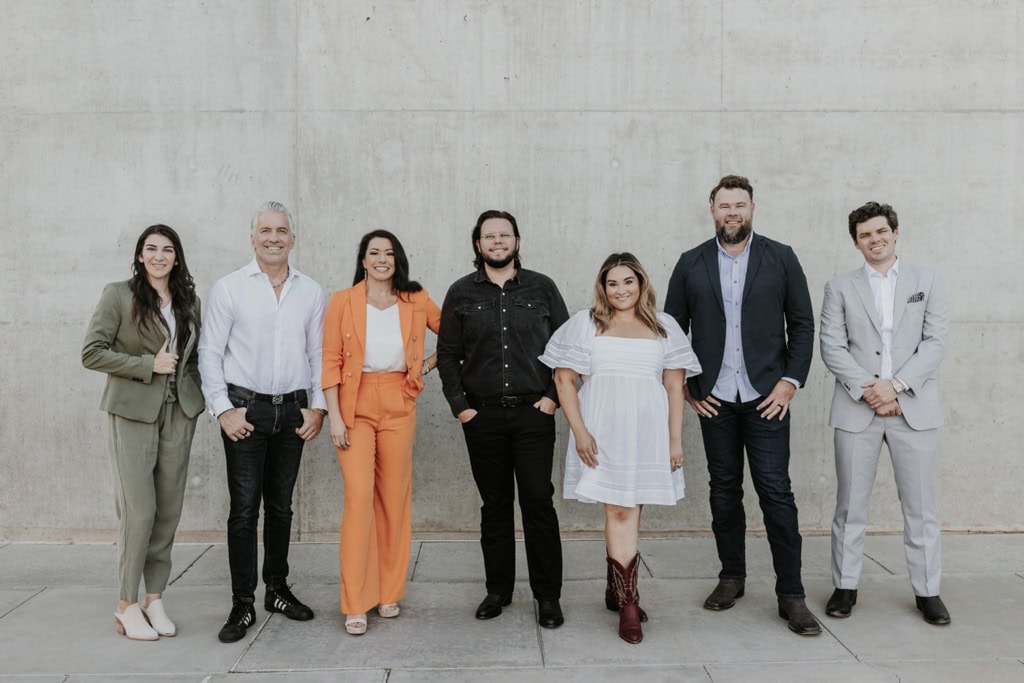
“After a crash, you need a team that answers the phone, explains your options, and fights for every dollar you are owed. That is what we do at The Simon Law Group.”
Over 250 years of combined attorney experience
Phoenix office at 2700 N Central Ave, Suite 320 |
Licensed in Arizona and California
Yes. Arizona's comparative negligence law lets you recover damages even with shared fault. The other driver's negligence still counts. A jury assigns percentages of blame, and your recovery is reduced by your share, not eliminated.
Lane splitting means riding between moving traffic and is illegal in Arizona. Lane filtering means moving between stopped vehicles at 15 mph or less on roads with a 45 mph speed limit. Filtering became legal in 2022 under Senate Bill 1273.
Research from UC Berkeley shows crash risk spikes when a rider exceeds the speed of surrounding traffic by more than 15 mph. Arizona's 15 mph cap on lane filtering exists for this exact reason. Going faster significantly increases both the risk of a crash and your share of fault.
Traumatic brain injuries, spinal cord damage, broken bones, and severe road rash. Phoenix pavement temperatures can exceed 150 degrees in summer, which worsens burn injuries from road contact. Internal organ damage is also common and may not show symptoms right away.
Arizona's statute of limitations gives you two years from the date of the accident to file a personal injury lawsuit. After that deadline, the court will likely dismiss your case regardless of how strong it is.
Photos of the scene and your injuries, witness contact info, the police report number, and your medical records. Do not give a recorded statement to the other driver's insurance company before talking to an attorney. Traffic camera footage should be preserved within 72 hours.
Our Location
Other Locations
Phoenix, AZ
Austin, TX
Torrance, CA
Santa Ana, CA
Seal Beach, CA
Areas We Serve
From our main office in Torrance, The Simon Law Group serves injured clients across Los Angeles County and throughout California, Arizona, and Texas. Our Seal Beach office helps us better serve Orange County, and we also have offices in Phoenix, AZ, and Austin, TX.
About Our Firm
The Simon Law Group was founded 15 years ago by twin brothers and attorneys Robert and Brad Simon to protect the rights of accident victims in California. In the fifteen years since our firm was established, our attorneys have recovered $600+ Million in settlements and verdicts for our clients. Recognized by many major legal organizations, we get results, and we’d be proud to fight for you after your accident or injury.
Follow Us!
Attorney Advertising. This website is a communication by The Simon Law Group, LLP. The attorneys responsible for its content are Robert T. Simon (California State Bar No. 238095) and Brad Simon (California State Bar No. 244369). The firm's principal office is located at 2916 W 164th Street, Torrance, California 90504. The information here is general and is not legal advice, and viewing it or contacting the firm does not create an attorney-client relationship. Prior results do not guarantee a similar outcome.