Primary Location
Seal Beach Personal Injury Lawyers
207 Main St, Seal Beach, CA 90740
Phone: (562) 620-8075
Call us at (855) 855-8910

Table of Contents
ToggleMost businesses deal with one type of hazard. Restaurants? They deal with all of them at once. Grease from the kitchen. Spilled drinks at the bar. Water on the restroom floor. Food dropped in the walkway. All in a space packed with tables, chairs, and moving staff.
Grease is the sneaky one. Kitchen staff track it into the dining area on their shoes and nobody notices until a customer goes down. A thin film of grease on tile might as well be black ice.
Out on Main Street, the patios add problems. Seal Beach mornings bring dew. Rain makes those tile-to-concrete transitions slick. Sand blows in from the pier. And most restaurant owners don't change their floor care routine based on what the weather is doing.
Lighting plays a role too. Dimmed dining rooms and dark bar areas hide puddles, cords, and uneven surfaces. Hard to dodge a hazard you never saw coming.
Here's what catches a lot of our clients off guard. The restaurant almost always tries to flip it. They'll say you'd had too much to drink. Or that you should've looked where you were going. A good attorney expects that, and already has evidence of the restaurant's own failures ready to go.
Friday night dinner rush on Main Street? A spill might sit 20 minutes before anyone grabs a mop. That's plenty of time for someone to get seriously hurt.
Take a walk down Main Street on a Saturday evening. You'll count a dozen restaurants and bars in just a few blocks. Between the tight patios, fast-moving servers, and crowds, hazard zones pop up everywhere. Some problems we run across again and again in Seal Beach restaurant cases:
Every single one of those problems has a fix. Mats. Mops. Warning signs. Better lighting. Restaurants that skip the basics put every customer at risk.
For more on how we handle slip and fall cases across Seal Beach, visit our main slip and fall page.
Restaurant floors are unforgiving. Tile over concrete. Hardwood. Polished stone. There's zero give when you hit the ground.
Fractures come up in almost every case we handle. Hips. Wrists. Forearms. About 43% of Seal Beach residents are over 65, and for anyone in that age range, a broken hip from a restaurant fall can mean surgery, months of rehab, and a permanent change in how they get around [1].
Hitting your head on a chair leg or table corner during a fall puts you in concussion territory. We've also seen burn injuries when someone goes down right next to a server carrying hot plates or fresh coffee.
After one slip and fall, our client had to undergo cervical fusion surgery. We recovered $690,000 in that case. Folks assume restaurant falls are minor. They aren't. Not when the floor is that hard and there's furniture everywhere.
Torn ACLs. Spiral ankle fractures. Herniated discs pressing on nerves. California law says you can go after the restaurant for your medical costs, wages you missed, the pain you're dealing with, and whatever future treatment the doctors say you need.
The first day matters more than any other day in your case. What you do, and what you skip, shapes everything that comes after. Here's our playbook:
Go find the manager. Don't leave that restaurant without telling them what happened and asking them to fill out an incident report. Snap a photo of it.
Grab your phone and start documenting. The puddle. The grease streak. The cracked tile. Whatever took you down. Shoot your shoes, your injuries, the area around where you fell. Wide shots, close-ups, everything.
Look around for witnesses. The couple at the next table who watched it happen. The bartender who saw you go down. Your server. Write down their names and numbers before they close out and leave.
Tell the manager, clearly: "I need you to save tonight's security footage." Restaurant cameras loop and record over old video. Some systems wipe footage after just one week. If nobody asks them to save it, it vanishes.
Keep your receipt. It's a simple thing, but it places you as a paying customer at that exact location and time.
See a doctor before the day is over, even if your back just "feels a little tight." Adrenaline hides real damage. When you show up at the ER or urgent care the same day as the fall, that medical record becomes rock-solid evidence linking your injuries to the incident [2].
If the restaurant's insurer calls? Hang up. Call us instead. They're recording you and looking for anything, even a casual "I'm doing okay," to knock down your claim.
California gives you two years to file a lawsuit under CCP 335.1. But video gets erased, witnesses forget, and bruises heal. Move fast.
Under California Civil Code 1714, restaurant owners have a legal duty to use ordinary care to keep their property safe for customers. In practice that means mopping spills promptly, posting wet-floor signs, repairing cracked surfaces, and making sure enough staff are on the floor to catch problems before someone gets hurt.
To win your claim, you have to show the restaurant either knew about the hazard, or that it had been there long enough that they should have caught it. The evidence that moves the needle:
We handled a case where our client slipped on standing water in a store. The cameras were broken, so there was no footage. But a witness came forward and that testimony carried the day. We recovered $390,000. Restaurant cases follow the same logic. Build the evidence. Find the witnesses. Make the case.
Restaurant owners owe the same duty of care as any property owner. Our Seal Beach premises liability attorneys know how to prove they fell short.
Now, restaurants love arguing the customer was partly at fault. Under California's comparative fault system, that argument can reduce what you collect. But it won't kill your case. If you were 10% at fault and your damages are $200,000, you still take home $180,000. Don't let that defense scare you away from filing.
If your fall happened at a grocery store rather than a restaurant, our Seal Beach grocery store slip and fall page covers how those cases work.
We handle slip and fall and premises liability cases regularly. The numbers below reflect what happens when a property owner ignores a hazard and we take them to task for it:
After our client fell at a retail store, we took the case to trial. The jury came back with a $1.15 million verdict and placed 100% of the blame on the store. They knew about the problem and ignored it.
Another client slipped on water leaking from an ice machine at a store. The fall destroyed her knee. She needed a total replacement. At trial, the jury awarded $900,000 and assigned full liability to the store.
We settled a case for $701,000 after our client tripped on an unmarked hole with plumbing hardware sticking out of the ground. Nobody had warned about it, roped it off, or made any attempt to fix it.
Every case is different. Past results do not guarantee a similar outcome.
Contact us for a free case review for your restaurant fall to learn whether the restaurant can be held liable.
Our attorneys have handled personal injury cases across California and Arizona. We know how Seal Beach insurance companies operate, and we know how to push back.
That number reflects real results for real families — medical bills paid, lost wages recovered, and futures protected.
You pay nothing upfront. Our fee comes out of your settlement or verdict.
Accidents do not follow business hours. Neither do we. Call (562) 620-8075 any time — nights, weekends, and holidays.
Our Seal Beach team works out of 207 Main St. We know the roads, the courts, and the insurance adjusters you are up against.
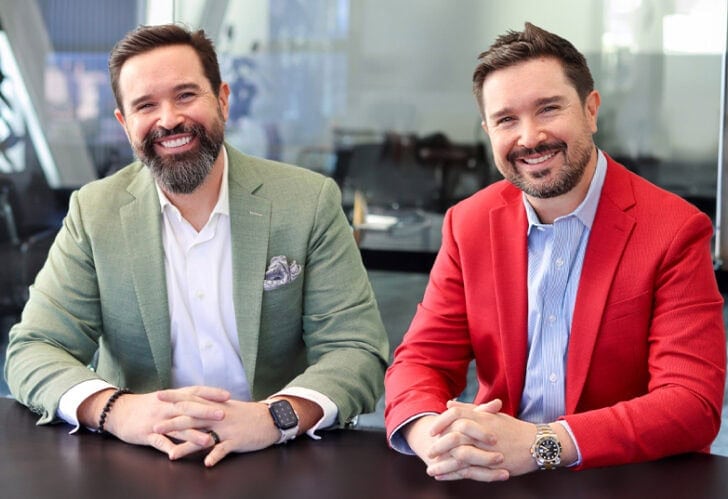
“After a crash, you need a team that answers the phone, explains your options, and fights for every dollar you are owed. That is what we do at The Simon Law Group.”
Over 250 years of combined attorney experience
Seal Beach office at 207 Main St | Licensed in California and Arizona
Absolutely. Under California premises liability law, restaurant owners must keep their space safe. When they know about a hazard, or when it's been sitting there long enough that they should have found it, and they do nothing, that's a claim.
Blame-shifting is standard. But California comparative negligence means you still collect even if you share some fault. Here's a quick example: if a jury says you're 20% responsible and your total damages come to $100,000, you walk away with $80,000.
Varies. Budget systems loop every 7 days. Nicer setups hold 30 days. Either way, the footage won't last forever. We send a spoliation letter, a legal demand to keep the recording, as soon as we get your call.
A restaurant that sets up tables and chairs outside is responsible for that space. Same duty of care applies to patios, decks, stairs, and any walkway customers use to reach the front door.
Not to bring a claim. But health department inspection records showing prior violations at the same restaurant? That's ammunition. It proves unsafe conditions weren't a one-time thing.
Our Location
Primary Location
207 Main St, Seal Beach, CA 90740
Phone: (562) 620-8075
Other Locations
Phoenix, AZ
Austin, TX
Torrance, CA
Santa Ana, CA
Areas We Serve
From our main office in Torrance, The Simon Law Group serves injured clients across Los Angeles County and throughout California, Arizona, and Texas. Our Seal Beach office helps us better serve Orange County, and we also have offices in Phoenix, AZ, and Austin, TX.
About Our Firm
The Simon Law Group was founded 15 years ago by twin brothers and attorneys Robert and Brad Simon to protect the rights of accident victims in California. In the fifteen years since our firm was established, our attorneys have recovered $600+ Million in settlements and verdicts for our clients. Recognized by many major legal organizations, we get results, and we’d be proud to fight for you after your accident or injury.
Follow Us!
Attorney Advertising. This website is a communication by The Simon Law Group, LLP. The attorneys responsible for its content are Robert T. Simon (California State Bar No. 238095) and Brad Simon (California State Bar No. 244369). The firm's principal office is located at 2916 W 164th Street, Torrance, California 90504. The information here is general and is not legal advice, and viewing it or contacting the firm does not create an attorney-client relationship. Prior results do not guarantee a similar outcome.