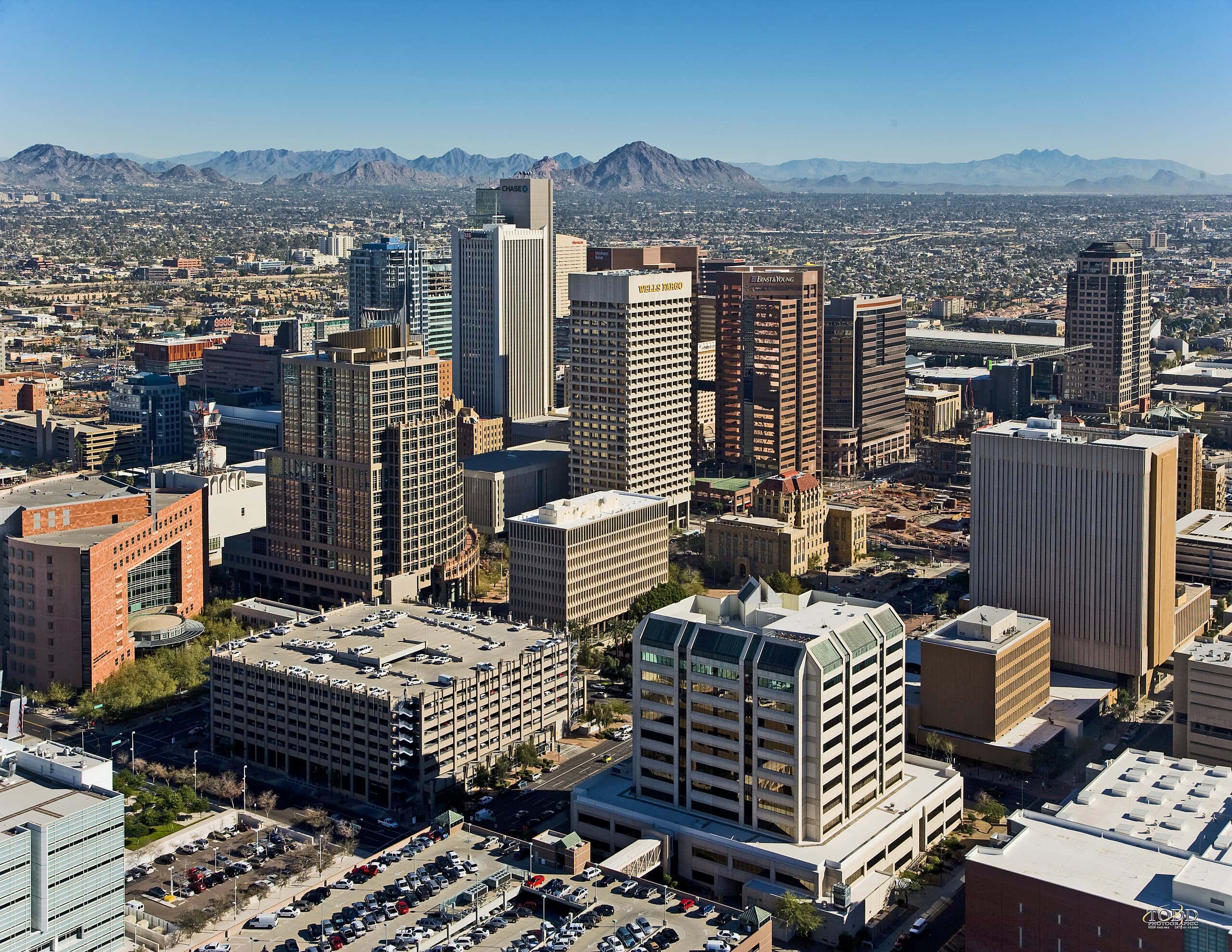
Primary Location
Phoenix Personal Injury Lawyers
2700 N Central Ave Suite 320, Phoenix, AZ 85004, United States
Phone: (602) 905-0124
Call us at (855) 855-8910

Table of Contents
ToggleYou just wanted a ride home. Maybe from the U of A campus, maybe from a night on 4th Avenue, maybe from work near the I-10. Instead, you're dealing with injuries, missed work, and a pile of questions about who's supposed to pay for all of it.
The short answer? It depends on what the driver was doing with the app when the crash happened. And that single detail controls everything.
One thing people don't realize about rideshare insurance: it changes by the minute. Literally. The driver's coverage shifts depending on what they were doing with the app at the moment of impact.
App off (Period 0). No rideshare coverage at all. The company won't touch it. You'd file against the driver's personal auto policy, same as any regular fender bender.
App on, waiting for a ride (Period 1). Uber and Lyft kick in with limited liability, about $50,000 per person. Sounds decent until you get the hospital bill. And there's a catch: this coverage is secondary. It won't pay unless the driver's own insurer says no first.
En route to pickup (Period 2). Now we're talking. Coverage jumps to $1 million in liability. Doesn't matter if you're in the car, in another vehicle, or crossing the street.
Passenger in the car (Period 3). Maximum protection. Full $1 million, plus uninsured and underinsured motorist coverage. Got picked up near University Blvd or Congress St? You're in this tier.
Here's where it gets messy. Both the rideshare company and the driver's personal insurer point fingers at each other. "Not our problem," they both say. You're stuck in between while they sort it out. That's exactly why these cases need a lawyer who's been through this before.
In regular car accident claims, you are dealing with one policy on each side — with rideshare, which policy actually applies depends on whether the driver had the app open, was waiting for a request, or was mid-trip.
Uber and Lyft classify their drivers as independent contractors. Not employees. That distinction gives the companies legal distance from crashes their drivers cause. But don't let that discourage you. Their insurance policies still apply based on app status.
Who might be on the hook in your case?
Arizona's comparative fault law, A.R.S. § 12-2505 [1], works in your favor here. Even if you share some blame, your recovery gets reduced by your percentage, but never wiped out.
And if you were a passenger? You didn't choose the route. You didn't control the steering wheel. Passengers almost never share fault. That puts you in a strong position from day one.
In a small but important slice of rideshare crashes, the real cause turns out to be defective vehicle parts — failed tires, a bad brake system, or an airbag that deployed when it should not have.
What you do in the first 48 hours after a rideshare crash shapes everything that follows. Here's what we tell clients.
Call 911 before anything else. The police report becomes your anchor. Without it, the insurance company will try to rewrite what happened.
Open your Uber or Lyft app and screenshot everything. Trip details, driver's name, route taken. This proves the driver's app status, which controls which insurance policy pays. Don't close the app until you've captured it.
Take photos while you're still at the scene. Damage to both vehicles. Road conditions. Traffic lights. Your own injuries. Once tow trucks arrive, the physical evidence starts disappearing.
See a doctor within 24 hours. Not next week. Not when it starts hurting more. Right away. Concussions and soft tissue damage don't always show up immediately, and a gap in medical records gives the adjuster an excuse to lowball you.
Ignore that first settlement call. Both Uber's and Lyft's claims teams move fast for a reason. The quicker you sign, the less they pay. That first number is almost never what your case is worth.
Get a lawyer involved early. GPS logs, dashcam footage, and app data get overwritten. Your attorney needs to send a preservation letter before that evidence vanishes.
After handling car accident cases for years, we see the same patterns in rideshare crashes. Most of these come down to how the job itself works.
Phone distraction is the biggest problem. Rideshare drivers live on their phones. Accepting the next ride, checking navigation, confirming pickup locations. All while driving. That split-second glance at a ping? That's when collisions happen. The NHTSA [3] reports that distracted driving kills thousands of people every year.
The sudden pullover. Driver spots a passenger on the sidewalk and just... stops. No signal, no safe spot, just brakes in the middle of a traffic lane. Cars behind don't expect it.
Drivers who don't know Tucson. Plenty of rideshare drivers work part-time and aren't familiar with local hazards. Take Grant Road and Alvernon Way, for example. About 300 crashes there since 2017. A regular Tucson commuter knows to watch that intersection. A driver who picked up the gig last month doesn't.
Bar close on 4th Avenue. Friday and Saturday nights near the downtown entertainment district are peak rideshare hours. Exhausted drivers pulling double shifts behind the wheel at 2 a.m. are a recipe for trouble.
I-10 construction chaos. The massive widening project between Park Avenue and Alvernon, a $600 million job, has turned that stretch into a maze of lane shifts and detours. Rideshare drivers relying on GPS get routed into active work zones.
Monsoon season surprises. If you've lived in Tucson, you know which streets flood. Rideshare drivers who moved here last year? They don't. Low-lying roads turn into rivers during monsoon storms, and drivers who aren't ready for it end up hydroplaning.
Drivers glancing at the app for a pickup address are a common cause of walkers hit in crosswalks near 4th Avenue, downtown, and the University of Arizona corridor.
There's no cookie-cutter answer here. Your claim's value depends on what happened to you specifically. But we can tell you what types of damages are on the table.
Medical bills, past and future. ER visits, surgeries, imaging, physical therapy. If you'll need treatment down the road, that counts too.
Lost income. Missed paychecks while you recover are recoverable. So is lost earning capacity if your injuries prevent you from doing the same work you did before.
Pain, suffering, and the stuff that's hard to put a number on. The anxiety of getting into a car again. Trouble sleeping. The frustration of not being able to pick up your kid. These are real damages with real dollar values in court.
In one rideshare case, our attorneys recovered $1.5 million for a client whose Uber was side-swiped and rolled over. Concussion and multiple fractures. That settlement covered everything from emergency surgery to long-term rehabilitation.
Where do most cases land? Soft tissue injuries like whiplash tend to settle below $15,000. Cases involving surgery, broken bones, or brain injuries climb well past $50,000. Arizona puts no cap on personal injury damages in private claims. And if a rideshare crash kills someone, wrongful death claims are on the table.
$950,000 Settlement
Our legal team recovered $950,000 for a client hurt in a freeway crash. Back and neck injuries that required surgery, plus months of rehabilitation. The insurer tried to downplay the severity. We didn't let them.
$665,000 Settlement
We secured $665,000 in a disputed sideswipe collision. The at-fault driver's insurance denied liability completely. Our attorneys gathered the evidence, proved fault, and got our client paid.
$535,000 Settlement
Another client came to us after an auto accident left them needing micro-decompression surgery. We recovered $535,000 for their injuries and treatment.
Every case is different. Past results do not guarantee a similar outcome.
Regular car wreck: two drivers, two insurance policies. Done. Rideshare crash? Minimum of three policies, sometimes four or five. That's where things get complicated.
The finger-pointing starts immediately. Driver's insurer says the rideshare company should pay. The rideshare company says it's the driver's personal policy. Meanwhile, you're stuck waiting.
Corporate legal teams get involved. Uber and Lyft don't send local adjusters. They send attorneys. People whose full-time job is paying you as little as possible.
Everyone argues about app status. Was the driver logged in? Had they accepted a ride? Were they between trips? Each answer triggers a different policy with different limits. And the company will push for whichever answer saves them money.
They'll try to blame you, too. The rideshare company points at the other driver. The other driver points at the Uber. Both of them try to stick you with a percentage of fault. All while your medical bills pile up.
The clock works against you. Trip data, GPS logs, dashcam video, app activity, none of it lasts forever. If your attorney doesn't lock it down fast, it gets overwritten or deleted.
Rideshare cases sit alongside all the related injury claims we handle, but the extra layer of app-status insurance coverage is what makes them genuinely tricky to work.
A.R.S. § 12-542 [2] gives you two years from the crash date to file a personal injury claim. After that? The courthouse door closes. No exceptions for "I didn't know" or "I was still in treatment."
Two years feels generous until you factor in rideshare claim timelines. Multiple insurers to negotiate with. Disputed app status to investigate. Corporate legal teams who drag their feet on purpose.
Start early. Preservation letters, medical records, insurance filings, all of it takes months. The more runway you give your attorney, the better your outcome.
Our attorneys have handled personal injury cases across Arizona and California. We know how Tucson insurance companies operate, and we know how to push back.
That number reflects real results for real families — medical bills paid, lost wages recovered, and futures protected.
You pay nothing upfront. Our fee comes out of your settlement or verdict. If we do not win your case, you owe us nothing.
Accidents do not follow business hours. Neither do we. Call (602) 905-0124 any time — nights, weekends, and holidays.
We serve Tucson clients from our Phoenix office at 2700 N Central Ave, Suite 320. We know Arizona roads, courts, and insurance adjusters — and we travel to meet you when it matters.
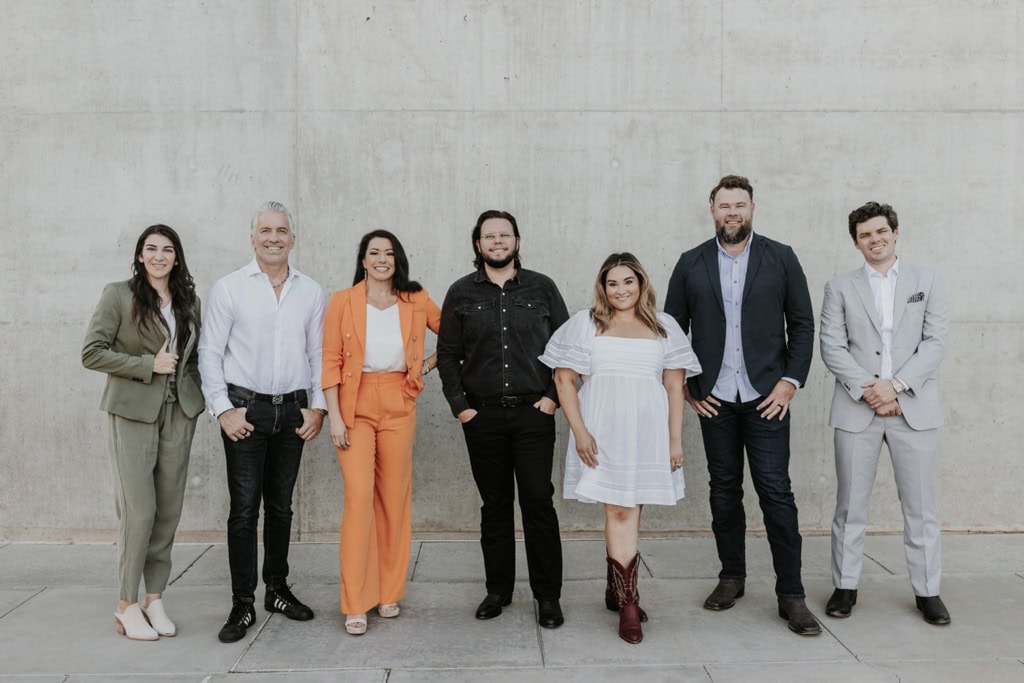
“After a crash, you need a team that answers the phone, explains your options, and fights for every dollar you are owed. That is what we do at The Simon Law Group.”
Over 250 years of combined attorney experience
Serving Tucson from Phoenix | 2700 N Central Ave, Suite 320 | Licensed in AZ & CA
The rideshare company's $1 million liability policy covers passengers during active trips (Period 3). If another driver caused the crash, their insurance may also apply.
It's difficult because drivers are independent contractors. But you can file a claim against their $1 million insurance policy. In some cases, you may pursue the company for negligent hiring or supervision.
Two years from the date of the accident under A.R.S. § 12-542. Don't wait, because app data and GPS logs can be deleted.
Call 911, screenshot your trip details in the app, photograph everything, seek medical care, and contact a lawyer before speaking with the rideshare company's insurer.
If the app was off, only the driver's personal auto policy applies. Uber and Lyft provide no coverage when the driver is not logged in.
The U of A campus area, 4th Avenue, and downtown Tucson see the highest concentration of rideshare pickups and drop-offs, especially on weekend nights. More ride volume means more accident risk.
Our Location
Other Locations
Austin, TX
Torrance, CA
Santa Ana, CA
Seal Beach, CA
Areas We Serve
From our main office in Torrance, The Simon Law Group serves injured clients across Los Angeles County and throughout California, Arizona, and Texas. Our Seal Beach office helps us better serve Orange County, and we also have offices in Phoenix, AZ, and Austin, TX.
About Our Firm
The Simon Law Group was founded 15 years ago by twin brothers and attorneys Robert and Brad Simon to protect the rights of accident victims in California. In the fifteen years since our firm was established, our attorneys have recovered $600+ Million in settlements and verdicts for our clients. Recognized by many major legal organizations, we get results, and we’d be proud to fight for you after your accident or injury.
Follow Us!
Attorney Advertising. This website is a communication by The Simon Law Group, LLP. The attorneys responsible for its content are Robert T. Simon (California State Bar No. 238095) and Brad Simon (California State Bar No. 244369). The firm's principal office is located at 2916 W 164th Street, Torrance, California 90504. The information here is general and is not legal advice, and viewing it or contacting the firm does not create an attorney-client relationship. Prior results do not guarantee a similar outcome.