Primary Location
Phoenix Personal Injury Lawyers
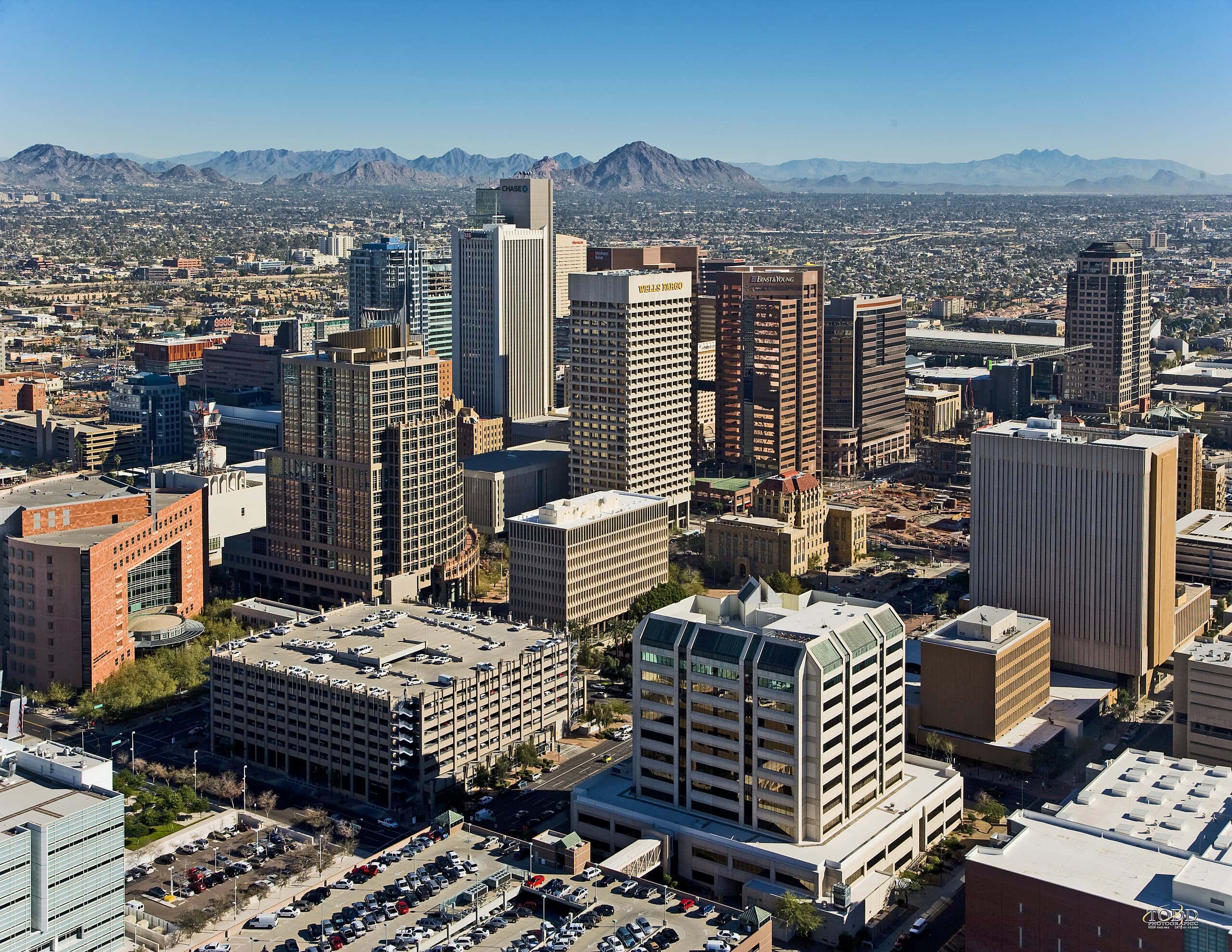
2700 N Central Ave Suite 320, Phoenix, AZ 85004, United States
Phone: (602) 905-0124
Call us at (855) 855-8910

Table of Contents
ToggleA wet floor doesn't look dangerous. No broken glass. No construction debris. Just a thin layer of water on tile or concrete. But that's exactly what makes it so risky. You don't see it coming until your feet go out from under you.
We handle wet floor cases all year long in Phoenix. Grocery stores. Hotel lobbies. Office buildings. Restaurants. Gas station bathrooms. The locations change, but the story stays the same. Someone left water on the floor. Nobody cleaned it up. And somebody got hurt.
Maricopa County has over 40,000 commercial properties. Every one of them has floors that get wet. Rain gets tracked in at the front door. Mop water gets left behind after closing. A drink spills in aisle four and sits there for half an hour. Produce misters drip onto the walkway at the grocery store.
These cases aren't small. Wet floor falls send people to the hospital with broken hips, fractured wrists, head injuries, and torn ligaments. One bad fall can mean surgery, months of physical therapy, and bills that stack up fast.
If you slipped on a wet floor and got hurt, you probably have a case. A slip and fall lawyer can look at what happened and tell you where you stand. We offer free consultations, and you pay nothing unless we win.
Most cities deal with wet floors when it rains. Phoenix has two separate wet floor seasons that most property owners ignore.
Phoenix averages 30 to 40 monsoon storms every season. These aren't gentle drizzles. They dump heavy rain in short, intense bursts. Water sheets across parking lots. Shoppers track puddles into every store entrance at Desert Ridge Marketplace, Kierland Commons, and strip malls across the valley.
During a monsoon downpour, the front ten feet of every retail store turns into a slip hazard. Wet shoes on polished tile. Water pooling on smooth concrete. Floor mats that are already soaked through and useless. If the store doesn't have someone mopping that entrance every few minutes, someone is going down.
We've taken cases where a grocery store had six inches of standing water inside the front door during a monsoon. No mats. No cones. No employee in sight. Just a slick floor and a customer with a broken hip.
Here's the one nobody talks about. Phoenix summers hit 110 degrees and higher. Every commercial building blasts air conditioning to keep it livable inside. That creates a temperature gap between the cold interior and the hot outside air.
Cold tile floors in air-conditioned buildings sweat. Condensation forms on the surface. It's invisible most of the time. You walk across what looks like a dry floor and your foot slides. This happens in office lobbies, medical buildings, and restaurant entryways all summer long.
Property owners know this happens. They've dealt with it every summer. If they're not running dehumidifiers, laying down proper floor mats, or using slip-resistant flooring, they're cutting corners on your safety.
This might be the biggest myth in premises liability law. People assume that if a yellow "Caution: Wet Floor" sign was out, the property owner is protected. That's not how it works.
A sign is one step. It's not the whole job. Putting up a sign and walking away doesn't satisfy the property owner's legal duty under Arizona law.
Think about it this way. If a pipe bursts in a store restroom and water covers the floor, the store can't just set out a sign and leave it for three hours. They still have to fix the problem. Clean up the water. Block off the area. Call a plumber. The sign buys time while they address the hazard. It doesn't replace actually addressing it.
We've won cases where the wet floor sign was sitting right next to where our client fell. The store argued the sign proved they did their job. We showed the jury that the spill had been there for over 45 minutes. No one mopped it up. No one blocked the aisle. The sign was just decoration at that point.
Other problems we see with signs:
Bottom line: a wet floor sign is a warning, not a shield. If the property owner didn't also take real steps to fix the hazard, the sign means very little in court.
Arizona holds property owners to a clear standard. If you invite people onto your property for business, you owe them a safe environment. That means actively looking for hazards and dealing with them before someone gets hurt.
For wet floors, that breaks down into specific duties:
Stores like the ones at Arizona Mills and Scottsdale Fashion Square deal with thousands of customers a day. They have the resources to keep floors safe. When they don't, and someone gets hurt, they're responsible.
We look at maintenance logs, inspection records, and employee schedules when building these cases. You'd be surprised how often the records show that nobody checked the floor for hours at a time.
Winning a wet floor case comes down to showing one thing. The property owner knew about the wet floor, or should have known, and didn't do enough about it.
Arizona courts look at three types of knowledge:
Actual knowledge. An employee saw the spill. A customer reported it. It was written in a maintenance log. The store knew the floor was wet and didn't act.
Constructive knowledge. The spill was there long enough that any reasonable business would have found it. If a puddle sat in the produce section for 40 minutes, the store should have caught it during routine floor checks. If they weren't doing floor checks, that's the problem right there.
Created the hazard. The store's own actions caused the wet floor. An employee mopped and left the area open. A broken ice machine leaked onto the walkway for days. A leaky roof dripped water onto the sales floor every time it rained.
Evidence matters a lot in these cases. Here's what helps:
Arizona follows comparative negligence under A.R.S. 12-2505 [1]. That means you can recover compensation even if you were partially at fault. Your award gets reduced by your share of the blame. But you still collect.
If you need help putting your case together, our Phoenix personal injury lawyers handle the investigation from day one. We've recovered over $600 million for our clients across all case types.
Wet floor falls cause real injuries that cost real money. A broken hip means surgery and months of rehab. A head injury can affect your memory and balance for years. Even a "minor" fall can tear a rotator cuff or crack a tailbone.
Here's what you can recover in Arizona:
Medical bills. Everything from the ambulance ride to the last physical therapy session. ER visits, imaging, surgery, prescriptions, follow-up appointments. If your doctor expects you'll need future treatment (like a second surgery or long-term pain management), those costs count too.
Lost wages. Time off work while you heal. If your injury changes what kind of work you can do going forward, your future earning loss is part of the claim.
Pain and suffering. The constant ache. The fear of walking on any smooth floor. Skipping errands because you don't trust your balance anymore. Not being able to pick up your kids or grandkids. Juries in Maricopa County take this seriously.
Out-of-pocket expenses. Crutches, braces, home modifications, hired help for tasks you can't do while recovering.
Arizona does not cap personal injury damages. There's no artificial ceiling on what a jury can award. The value depends on how bad the injury is, how it changed your life, and how strong the evidence is.
One important deadline: Arizona gives you two years from the date of the fall to file your claim [1]. That sounds like plenty of time, but treatment takes months to wrap up. Settlement talks take more. Don't sit on this.
We work on contingency. That means no upfront fees. No hourly bills. We only get paid when you get paid. Call us at (602) 905-0124 for a free case review.
Our attorneys have handled personal injury cases across Arizona and California. We know how Phoenix insurance companies operate, and we know how to push back.
That number reflects real results for real families — medical bills paid, lost wages recovered, and futures protected.
You pay nothing upfront. Our fee comes out of your settlement or verdict. If we do not win your case, you owe us nothing.
Accidents do not follow business hours. Neither do we. Call (602) 905-0124 any time — nights, weekends, and holidays.
Our Phoenix team works out of 2700 N Central Ave, Suite 320. We know the roads, the courts, and the insurance adjusters you are up against.

“After a crash, you need a team that answers the phone, explains your options, and fights for every dollar you are owed. That is what we do at The Simon Law Group.”
Over 250 years of combined attorney experience
Phoenix office at 2700 N Central Ave, Suite 320 |
Licensed in Arizona and California
Yes. A wet floor sign alone does not protect the property owner from a lawsuit. They still have to clean up the hazard within a reasonable time. If the sign was up but the spill sat there for 30 or 45 minutes with no cleanup, the sign doesn't help their case much. We've won cases where the sign was right next to where our client fell because the store failed to actually fix the problem.
The store or property owner is responsible. Monsoon storms hit Phoenix 30 to 40 times a season. Every business in the valley knows rain will get tracked inside. They're expected to have floor mats at entrances, assign staff to mop during storms, and keep walking areas dry. If they skip those steps and you slip, that's on them. Rain is not a surprise in Phoenix. It's predictable, and property owners have to plan for it.
You need to show the owner knew or should have known the floor was wet and didn't act fast enough. Surveillance footage is the strongest evidence. It shows exactly how long a spill sat there before your fall. Store maintenance logs, incident reports, witness statements, and photos of the scene all help too. Act fast because stores often record over security footage within days.
Broken hips and wrists are at the top of the list, especially for older adults. We also see tailbone fractures, torn rotator cuffs, herniated discs, concussions, and knee ligament tears. Even a "minor" fall onto a hard surface can cause injuries that need surgery and months of physical therapy. Don't brush off pain after a fall. See a doctor right away.
Arizona gives you two years from the date of the fall under A.R.S. 12-542. That might sound like a lot of time, but it goes fast. You need time to finish medical treatment, gather evidence, and negotiate with the insurance company before the deadline. Don't wait until the last few months. Call a lawyer soon after the fall so nothing gets lost.
You can still recover money. Arizona uses comparative negligence, which means your payout gets reduced by your share of the fault but doesn't disappear. If a jury says you were 15% responsible because of your shoes and your damages total $100,000, you'd still collect $85,000. The property owner's duty to maintain safe floors doesn't go away just because of what you were wearing.
Our Location
Other Locations
Austin, TX
Torrance, CA
Santa Ana, CA
Seal Beach, CA
Areas We Serve
From our main office in Torrance, The Simon Law Group serves injured clients across Los Angeles County and throughout California, Arizona, and Texas. Our Seal Beach office helps us better serve Orange County, and we also have offices in Phoenix, AZ, and Austin, TX.
About Our Firm
The Simon Law Group was founded 15 years ago by twin brothers and attorneys Robert and Brad Simon to protect the rights of accident victims in California. In the fifteen years since our firm was established, our attorneys have recovered $600+ Million in settlements and verdicts for our clients. Recognized by many major legal organizations, we get results, and we’d be proud to fight for you after your accident or injury.
Follow Us!
Attorney Advertising. This website is a communication by The Simon Law Group, LLP. The attorneys responsible for its content are Robert T. Simon (California State Bar No. 238095) and Brad Simon (California State Bar No. 244369). The firm's principal office is located at 2916 W 164th Street, Torrance, California 90504. The information here is general and is not legal advice, and viewing it or contacting the firm does not create an attorney-client relationship. Prior results do not guarantee a similar outcome.