
Primary Location
Phoenix Personal Injury Lawyers
2700 N Central Ave Suite 320, Phoenix, AZ 85004, United States
Phone: (602) 905-0124
Call us at (855) 855-8910

Table of Contents
ToggleA wrongful death happens when someone dies because of another party's negligence, recklessness, or intentional act. Arizona Revised Statutes 12-611 [1] gives surviving family members the right to file a civil claim for damages. Fatal car, truck, or pedestrian accidents caused by a careless driver. Medical errors like misdiagnosis, surgical mistakes, or medication failures. Unsafe property conditions, workplace hazards, or defective products. All of these qualify.
Here's what a lot of people get wrong about wrongful death: they think criminal charges have to come first. Not true. This is a civil lawsuit. Totally separate system. The bar is lower too. You just show it's more likely than not that someone's carelessness killed your family member.
So what does this actually look like around Tucson? Start with the roads. I-10 and I-19 push heavy commuter and semi traffic straight through the metro all day and all night. Fatal wrecks along those corridors? Way too common. But the danger goes well beyond traffic.
Pima County's construction boom has job sites everywhere right now. Scaffolding falls. Equipment nobody bothered to inspect. Heat exposure that gets written off until somebody dies. Workers are getting killed at rates that shouldn't be tolerated.
Here's a rough breakdown of what drives wrongful death claims in this area. Traffic fatalities from I-10, I-19, and surface street crashes involving everything from sedans to 18-wheelers. Medical screw-ups at hospitals and clinics, from botched surgeries to medication errors to missed diagnoses. Workplace deaths at construction sites, warehouses, and plants. Pedestrians and cyclists getting hit on Tucson's wide, fast roads. Negligent property owners who let stairs crumble, handrails rot, and lighting burn out. Defective products that fail catastrophically.
And here's the part that catches people off guard. You can file even when the other person didn't mean any harm. A driver checking their phone who blows a red light? Negligence. A landlord who knew the balcony railing was loose and ignored it for half a year? Same thing. Intent doesn't enter the picture. Being careless is enough.
Our attorneys secured a $6 million settlement for one family after an auto wreck caused both a traumatic brain injury and a death. Moving fast on that case made a measurable difference in the outcome.
Intentional acts count too — fatal assault cases can give rise to a civil wrongful death claim regardless of whether criminal charges are filed or how the prosecution ends.
Arizona doesn't let just anyone bring this kind of lawsuit. The statute draws a hard line. Under ARS 12-612, only these people qualify: the surviving spouse. A surviving child, adult children included. A surviving parent or legal guardian. Or the personal representative of the estate.
That's the list. Not siblings. Not grandparents. Not aunts or uncles, no matter how close they were. Arizona wrote the law this way, and courts enforce it strictly.
When multiple eligible family members exist, you don't need separate lawsuits. One case covers everyone. The court sorts out how recovery gets split based on each person's actual damages. Your attorney handles all of that.
Now here's where families get blindsided. When a Tucson city agency, Pima County, or any other public entity played a role in the death, forget about two years. ARS 12-821.01 slashes the clock to 180 days for filing a notice of claim. Six months. That notice is step one before any lawsuit happens.
City buses. Public hospitals. Government-maintained roads and county buildings. All fall under that 180-day rule. We've watched families lose viable claims because nobody told them about this deadline until it was already past. If there's any government connection whatsoever, get a lawyer involved within the first few weeks.
Four elements. Miss one and the case falls apart.
Duty of care comes first. Straightforward question: did the other party owe some responsibility to act safely? Drivers owe it to everyone sharing the road. Surgeons owe it to the person on the table. Property owners owe it to anyone walking through the door. In wrongful death cases, establishing duty is rarely the problem.
Breach is next. Did they actually fail? A trucking outfit that faked inspection logs. A doctor who confused two patients' charts. A building manager who got three complaints about a cracked stairwell and did absolutely nothing. Those are breaches.
Causation is where cases live or die. You can't just prove someone was negligent. You have to connect their specific failure to this specific death. That's why reconstruction experts and medical specialists earn their fee. They draw the line from the breach to the coffin, and they make juries understand it.
Then damages. Did the surviving family suffer real, provable harm? Lost income from the person who was earning. Medical bills from their final days. Burial costs. And the grief, the companionship ripped away, the parent or spouse or child who isn't coming home. All of it counts.
Pima County Superior Court [2] is where Tucson wrongful death trials happen. Building a winning case means pulling together police reports, camera footage, witness accounts, employment records, and expert opinions that all point the same direction.
When fatal medical errors cause a death — a missed diagnosis, an anesthesia mistake, a post-surgical infection nobody caught — the case runs under Arizona's medical malpractice rules on top of the wrongful death statute.
Most families walking into this have never dealt with a lawsuit. Fair enough. Here's how it goes.
You start with a free consultation. Tell the attorney what happened. They'll be honest about whether you've got something or not. Who's at fault, what evidence exists, what kind of timeline you're looking at. No charge for that conversation.
If there's a case, investigation starts immediately. Police reports. Hospital records. Employment files. Surveillance footage from nearby businesses. In the bigger cases, reconstruction experts and medical specialists get pulled in early because waiting gives the other side time to prepare their defense.
Your attorney files the complaint in Pima County Superior Court once the groundwork is done. The defendant gets officially served. Then discovery opens up, both sides exchanging evidence, taking depositions, filing expert reports. This stage eats up months sometimes, depending on how many defendants are involved and how backed up the court is.
Before trial, your attorney builds a demand and starts negotiating with the insurance company or the defendant's legal team. Most Tucson wrongful death cases resolve at this stage. Our team recovered $3.15 million for one family after a commercial truck killed their loved one on the freeway, and that happened without a trial. But settlement only works when the number is right. If insurance lowballs, you go to trial.
Trial puts everything in front of a Pima County judge or jury. Some cases finish within a year of filing. Others push toward two. The court calendar and the other side's willingness to fight both play into the timing.
Something people don't hear enough: accepting a settlement isn't giving up. When the evidence is strong and the number reflects your real losses, settlement can actually beat what a jury does. You dodge the gamble and the wait. Smart attorneys know when to take the deal and when to push forward.
A wrongful death lawsuit draws on the same discovery and trial preparation that runs through our broader Tucson injury work, but the damages model is built around the family's loss rather than the victim's own medical and economic costs.
Arizona breaks wrongful death damages into two categories. Both are recoverable, and both matter enormously.
Economic damages cover the losses you can put a number on. Bills from end-of-life medical care. Funeral and burial expenses. The income your loved one would've earned across their remaining working years. Benefits they carried, health insurance, retirement, pension. Even the dollar value of the housework and childcare they handled daily.
Non-economic damages are the ones insurance companies love to minimize. Grief. The anguish of watching your family rearrange itself around an empty chair. Losing someone's love and companionship. For a surviving spouse, the marriage itself. For kids, losing a parent's voice, guidance, discipline, and comfort during the years they need it most.
Punitive damages? Arizona allows them, but only when the conduct was truly outrageous. A drunk driver going 90 through a school zone. A corporation burying test results showing their product kills people. Punitives aren't compensation. They're punishment. And they send a message to everyone else watching.
Something that surprises families pretty often: Arizona puts no cap on non-economic damages in wrongful death cases [3]. No ceiling. A Pima County jury can award whatever they believe that grief, that absence, that shattered household is actually worth.
In the same crash, you can have survivors with life-altering injuries alongside the wrongful death claim, and the two cases are often worked together to protect the whole family at once.
$41.6 Million Verdict
In 2019, we took a wrongful death murder case all the way to verdict. The jury came back with $41.6 million. That number told the family the system understood what was taken from them.
$6.5 Million Settlement
A drunk driver killed a young worker at a road closure site. Someone just doing his job, gone. We fought for his family and secured a $6.5 million settlement that gave them something to rebuild around.
$5 Million Settlement
A motorcycle accident took a 24-year-old with dependents counting on every paycheck. Our team recovered $5 million for his surviving family members. Money doesn't fix it. But it keeps the lights on and the kids fed while the family tries to move forward.
Every case is different. Past results do not guarantee a similar outcome.
ARS 12-542 draws the line at two years from the date of death. Not from the accident. From the death itself. After that, the courthouse doors close.
Most people hear two years and figure they've got time. They don't.
A proper wrongful death investigation takes months. Tracking down records. Getting expert opinions. Analyzing medical charts and accident data. Building the demand that makes insurance companies take you seriously. Start at month 18 and you're already cutting corners. Miss the deadline entirely and it doesn't matter if you've got the strongest case in Pima County. It's over.
Government cases are a different animal altogether. When a city bus, public hospital, county road crew, or any other government entity was involved, ARS 12-821.01 demands a notice of claim within 180 days. Half a year. That notice has to happen before you can even file the actual lawsuit. Blow past 180 days and the government claim is permanently gone.
We tell families the same thing every time: pick up the phone now. The consultation doesn't cost anything. Starting early is what lets your attorney build something that actually wins instead of scrambling to meet a deadline with half the evidence they need.
Our attorneys have handled personal injury cases across Arizona and California. We know how Tucson insurance companies operate, and we know how to push back.
That number reflects real results for real families — medical bills paid, lost wages recovered, and futures protected.
You pay nothing upfront. Our fee comes out of your settlement or verdict. If we do not win your case, you owe us nothing.
Accidents do not follow business hours. Neither do we. Call (602) 905-0124 any time — nights, weekends, and holidays.
We serve Tucson clients from our Phoenix office at 2700 N Central Ave, Suite 320. We know Arizona roads, courts, and insurance adjusters — and we travel to meet you when it matters.
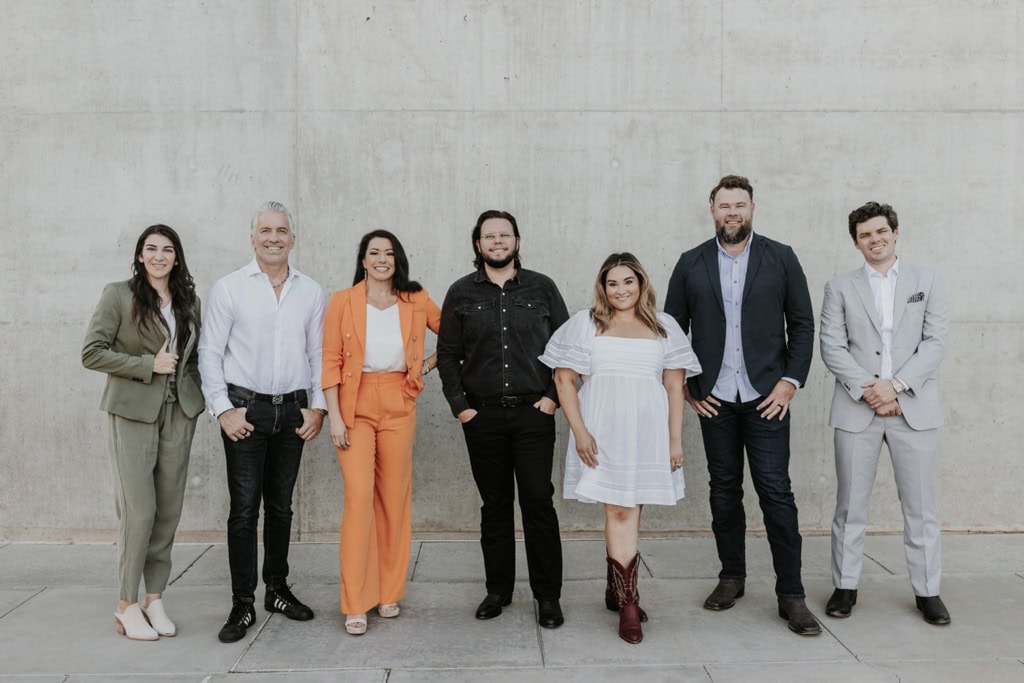
“After a crash, you need a team that answers the phone, explains your options, and fights for every dollar you are owed. That is what we do at The Simon Law Group.”
Over 250 years of combined attorney experience
Serving Tucson from Phoenix | 2700 N Central Ave, Suite 320 | Licensed in AZ & CA
Absolutely. Arizona lets surviving family members collect for grief, sorrow, anguish, and loss of companionship. The law calls these non-economic damages. They're separate from the financial stuff, medical bills, lost wages, funeral costs. And there's no cap on them.
Different purposes. Wrongful death pays the family for what they lost, the income, the companionship, the guidance. A survival action picks up where the deceased left off, pursuing their claim for pain and suffering before they died. You can and should file both when the facts support it.
Usually. Auto policies, homeowner's coverage, commercial liability, one or more of those typically applies. The catch is policy limits. Bigger cases can blow past what one policy covers. That's why your attorney chases down every available policy and any additional sources of recovery.
Ballpark: 6 months to 2 years. Clean liability and cooperative insurance means faster resolution. Disputed fault, multiple defendants, and a crowded Pima County court calendar all stretch things out. Your attorney can give you a better estimate once they've seen the specifics.
Causation is the stumbling block. It's not enough to show someone was negligent. You have to prove their negligence is what actually killed your loved one. Preponderance of evidence, more likely than not, that's the standard. Expert testimony and accident reconstruction carry most of that weight.
Two years from date of death. ARS 12-542 controls. Government entity claims require a 180-day notice of claim under ARS 12-821.01. Miss either window and you lose the right to file. No do-overs.
Our Location
Other Locations
Austin, TX
Torrance, CA
Santa Ana, CA
Seal Beach, CA
Areas We Serve
From our main office in Torrance, The Simon Law Group serves injured clients across Los Angeles County and throughout California, Arizona, and Texas. Our Seal Beach office helps us better serve Orange County, and we also have offices in Phoenix, AZ, and Austin, TX.
About Our Firm
The Simon Law Group was founded 15 years ago by twin brothers and attorneys Robert and Brad Simon to protect the rights of accident victims in California. In the fifteen years since our firm was established, our attorneys have recovered $600+ Million in settlements and verdicts for our clients. Recognized by many major legal organizations, we get results, and we’d be proud to fight for you after your accident or injury.
Follow Us!
Attorney Advertising. This website is a communication by The Simon Law Group, LLP. The attorneys responsible for its content are Robert T. Simon (California State Bar No. 238095) and Brad Simon (California State Bar No. 244369). The firm's principal office is located at 2916 W 164th Street, Torrance, California 90504. The information here is general and is not legal advice, and viewing it or contacting the firm does not create an attorney-client relationship. Prior results do not guarantee a similar outcome.