Primary Location
Seal Beach Personal Injury Lawyers
207 Main St, Seal Beach, CA 90740
Phone: (562) 620-8075
Call us at (855) 855-8910

Table of Contents
ToggleInsurance litigation is what happens when your insurance company says no and you say "prove it." It goes beyond filing a complaint or writing angry letters. This is a lawsuit against the company that took your premiums and then refused to pay.
Most people think of bad faith insurance claims in Seal Beach as the whole picture. It's not. Bad faith is one piece of a larger case. Insurance litigation covers the full fight, from the demand letter all the way through trial and verdict.
It applies to every kind of policy. Auto. Homeowners. Health. Disability. Commercial liability. If an insurer owes you money and won't pay it, litigation is how you force the issue.
Here in Seal Beach, these disputes show up in ways that are specific to this community. Coastal property damage claims get denied over policy language. Health insurance disputes affect residents who depend on Medicare supplement plans. Auto claims get lowballed after crashes on the I-405 and PCH corridor. The patterns repeat because insurers follow playbooks. We know those playbooks.
California gives policyholders real weapons against insurance companies. Not just words on paper. Actual laws with teeth.
Start with the Unfair Claims Settlement Practices Act [1]. That's California Insurance Code Section 790.03. It makes it illegal for insurers to misrepresent policy terms, delay investigations without reason, or deny claims without a legitimate basis. When they break these rules, it supports a bad faith lawsuit.
Every insurance policy in California carries an implied covenant of good faith and fair dealing. That means your insurer has a legal duty to treat your claim honestly. They can't drag their feet hoping you'll give up. They can't lowball you because they think you won't hire a lawyer.
Here's what makes California different from most states. You can recover both contract damages and tort damages in the same case. Contract damages get you the policy benefits they should have paid. Tort damages cover the emotional distress and financial harm their delay caused you.
Then there are Brandt fees. When an insurer forces you into a lawsuit just to collect benefits you're already owed, you can make them pay your attorney fees on top of everything else.
And if the insurer's conduct was truly bad? Punitive damages under California Civil Code Section 3294 [2]. Malice, fraud, or oppression. No cap. The jury decides the number.
We see certain patterns come through our office at 207 Main St over and over again. The insurance companies change, but the tactics stay the same.
Seal Beach sits right on the coast. Salt air, wind damage, flooding risk. Homeowners file claims for water damage, roof issues, and foundation problems. Insurers deny them by pointing to policy exclusions for "gradual deterioration" or by arguing the damage predates the covered event. Sometimes they're right. Often they're not. A coverage analysis tells us which.
About 43% of Seal Beach residents are 65 and older. Many rely on Medicare supplement plans and private health coverage. When treatments get denied or prior authorizations get rejected, the financial and medical impact hits hard. These aren't abstract disputes. People skip medications and delay surgeries because their insurer said no.
The I-405 and Seal Beach Blvd interchange is one of the highest-risk collision zones in the area. PCH runs straight through town. Seal Beach Blvd and Westminster Ave has active construction and recurring crashes. After an accident, the at-fault driver's insurer lowballs the claim. Your own UM/UIM carrier fights you on benefits. Both scenarios end the same way if they won't pay what's fair.
Auto insurers frequently underpay vehicle property damage disputes in Seal Beach, forcing policyholders to fight for the true value of their vehicle.
Seal Beach has $27.4 million in active construction projects for fiscal year 2025-26. Contractors carry liability policies. When injuries happen on job sites and the insurer disputes coverage, litigation follows. Main Street businesses deal with commercial liability claims where their own insurer refuses to defend or indemnify.
People want to know what they're getting into before they start. Fair enough. Here's how an insurance litigation case moves forward.
We pull your policy apart line by line. What's covered. What's excluded. Where the insurer might be stretching the language to avoid paying. This step tells us whether you have a case and how strong it is.
Before filing suit, we send the insurer a formal demand. It lays out your losses, the policy provisions that apply, and the amount owed. Some insurers settle right here. Most don't, but the demand creates a paper trail that matters later.
If the insurer ignores or rejects the demand, we file a complaint in California Superior Court. The lawsuit names the insurance company as the defendant. Claims typically include breach of contract, breach of the implied covenant of good faith, and violations of the Unfair Claims Settlement Practices Act.
This is where things get interesting for us. Discovery forces the insurer to hand over their internal claim file. Adjuster notes. Emails between supervisors. The reserve amounts they set aside for your claim. Training manuals that show how they're taught to deny claims. This is the evidence that proves bad faith.
We put the claims adjuster under oath. We depose the supervisor who approved the denial. Corporate representatives answer questions about company policies. These depositions often reveal that the insurer had no reasonable basis for denying your claim.
Cases resolve through mediation, settlement negotiations, or trial. If the insurer won't offer fair compensation at mediation, our trial-ready attorneys take insurers to court. A jury decides what your claim is worth, including punitive damages if the evidence supports them.
The money an insurer owes you goes well beyond the original claim amount. California law opens up multiple categories of recovery when an insurer acts in bad faith.
Contract damages cover the full policy benefits they should have paid from the start. The claim amount itself, plus interest on the delayed payment.
Tort damages compensate you for emotional distress caused by the denial. The stress, the anxiety, the sleepless nights wondering how you'll pay bills while your insurer stonewalls you. California also allows recovery for economic losses that flow from the delay.
Brandt fees are unique to California insurance disputes. When an insurer forces you to hire a lawyer just to collect benefits you're already owed, you get those attorney fees back. This stacks on top of other damages.
Punitive damages are available when the insurer's conduct rises to the level of malice, fraud, or oppression. There is no cap on punitive damages in California insurance cases. The jury decides the amount based on how badly the insurer behaved and how much it takes to make them stop.
Consequential damages cover the ripple effects. Medical bills you couldn't pay because benefits were withheld. Repairs you couldn't make. Business income you lost while waiting on a commercial policy claim. All of it counts.
We've recovered over $600 million for clients across California and Arizona. When insurance companies refuse to pay what's owed, we take the case as far as it needs to go. These results from actual cases show what happens when a trial team pushes back against insurer tactics:
Motor vehicle accident resulting in cervical and lumbar fusion surgeries. The case went to trial and a jury returned this verdict for our client.
Car accident case involving spine fusion surgery. Rather than accept the insurer's offer, we took this case to a jury and won.
Light impact rear-end collision at only 2-3 MPH. The insurance company disputed the claim and challenged the injuries. A jury disagreed with the insurer and returned this verdict.
Soft tissue injury case where the insurance company's last offer was $12,500. We took it to trial and our client recovered more than double the final pre-trial demand.
Every case is different. Past results do not guarantee a similar outcome in your case. These results reflect the dedication of our legal team to fighting for maximum compensation.
Our office is at 207 Main St in Seal Beach. We're one of only two law firms with a physical office in this city. That matters because your case involves local courts, local adjusters, and local insurers who know which firms actually go to trial.
We are trial attorneys. That's not a marketing phrase. We prepare every insurance litigation case as if it's going before a jury. Insurance companies track which firms settle cheap and which ones fight. They know our name.
Some things that matter when you're picking a firm for this kind of case:
We serve clients in Seal Beach, Long Beach, Huntington Beach, Westminster, Garden Grove, Cypress, Los Alamitos, and Rossmoor. If your insurer is giving you the runaround, call us at (562) 620-8075. The consultation is free. We'll tell you straight whether you have a case.
Our attorneys have handled personal injury cases across California and Arizona. We know how Seal Beach insurance companies operate, and we know how to push back.
That number reflects real results for real families — medical bills paid, lost wages recovered, and futures protected.
You pay nothing upfront. Our fee comes out of your settlement or verdict.
Accidents do not follow business hours. Neither do we. Call (562) 620-8075 any time — nights, weekends, and holidays.
Our Seal Beach team works out of 207 Main St. We know the roads, the courts, and the insurance adjusters you are up against.
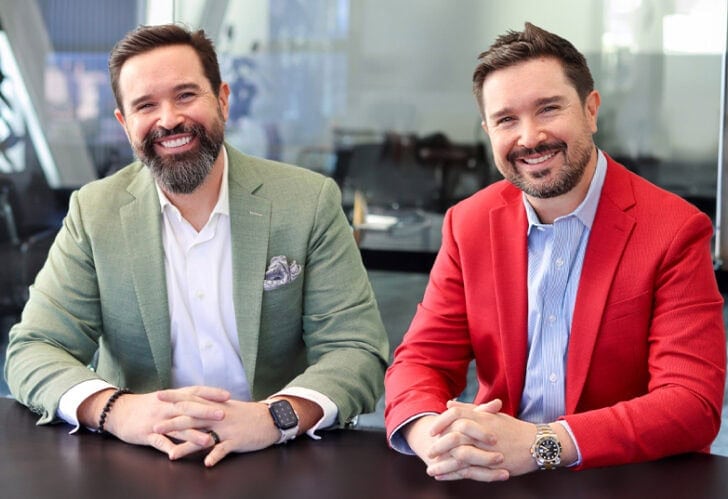
“After a crash, you need a team that answers the phone, explains your options, and fights for every dollar you are owed. That is what we do at The Simon Law Group.”
Over 250 years of combined attorney experience
Seal Beach office at 207 Main St | Licensed in California and Arizona
There is no cap on bad faith damages in California. You can recover the full policy benefits owed, emotional distress damages, economic losses caused by the delay, attorney fees through Brandt fees, and punitive damages. The jury decides the total amount based on how the insurer behaved and the harm it caused you.
You can recover contract damages for the policy benefits owed, tort damages for emotional distress and economic harm, Brandt fees for the attorney costs of collecting withheld benefits, and punitive damages if the insurer acted with malice or fraud. California allows both contract and tort recovery in the same case.
California Insurance Code Section 790.03 prohibits specific types of insurer misconduct. It bars misrepresentation of policy terms, unreasonable delays in claim investigations, denial of claims without legitimate basis, and advising claimants not to hire attorneys. Violations of this statute support a bad faith cause of action against the insurer.
Yes. Brandt fees allow you to recover the attorney fees you spent to obtain policy benefits that were wrongfully withheld. This applies when the insurer forces you into litigation to collect money already owed under your policy. Brandt fees are separate from punitive damages and stack on top of other recovery.
Breach of contract claims have a four-year statute of limitations. Bad faith tort claims have a two-year deadline. The clock generally starts when the insurer denies your claim or unreasonably delays payment. Missing these deadlines can bar your case entirely, so contact an attorney as soon as possible.
You need to show you had a valid claim under your policy, that benefits were withheld in whole or in part, and that the insurer had no reasonable basis for the denial. The insurer's internal claim file, adjuster notes, and internal emails often contain the strongest evidence of bad faith conduct.
Insurance litigation is the full legal process of suing an insurer in court. Bad faith is one specific cause of action within that lawsuit. A single insurance litigation case may include claims for breach of contract, bad faith, unfair business practices, and violations of the Unfair Claims Settlement Practices Act.
Yes. California Civil Code Section 3294 allows punitive damages when you prove by clear and convincing evidence that the insurer acted with malice, fraud, or oppression. There is no statutory cap on punitive damages in California insurance cases. These damages punish the insurer and deter future misconduct.
Yes. California treats insurer bad faith as both a breach of contract and a tort. Contract damages restore the policy benefits owed to you. Tort damages compensate for emotional distress and economic harm beyond the policy amount. This dual recovery makes California one of the strongest states for policyholder rights.
Auto uninsured and underinsured motorist disputes are among the most common. Homeowners claims involving disaster, flood, and wind damage frequently end up in litigation. Health and disability insurance denials also lead to lawsuits, along with commercial liability coverage disputes where insurers refuse to defend or indemnify.
No. California law prohibits retaliation for filing a legitimate claim or lawsuit against your insurer. Canceling your policy in response to litigation is itself an act of bad faith. Document any retaliatory action and report it to the California Department of Insurance.
A lawsuit generally provides broader remedies than an appeal. Administrative appeals may recover the policy benefits owed but typically cannot award emotional distress damages or punitive damages. An attorney can evaluate whether to appeal first or proceed directly to litigation. In many cases, filing suit is the faster path to full compensation.
Our Location
Primary Location
207 Main St, Seal Beach, CA 90740
Phone: (562) 620-8075
Other Locations
Phoenix, AZ
Austin, TX
Torrance, CA
Santa Ana, CA
Areas We Serve
From our main office in Torrance, The Simon Law Group serves injured clients across Los Angeles County and throughout California, Arizona, and Texas. Our Seal Beach office helps us better serve Orange County, and we also have offices in Phoenix, AZ, and Austin, TX.
About Our Firm
The Simon Law Group was founded 15 years ago by twin brothers and attorneys Robert and Brad Simon to protect the rights of accident victims in California. In the fifteen years since our firm was established, our attorneys have recovered $600+ Million in settlements and verdicts for our clients. Recognized by many major legal organizations, we get results, and we’d be proud to fight for you after your accident or injury.
Follow Us!
Attorney Advertising. This website is a communication by The Simon Law Group, LLP. The attorneys responsible for its content are Robert T. Simon (California State Bar No. 238095) and Brad Simon (California State Bar No. 244369). The firm's principal office is located at 2916 W 164th Street, Torrance, California 90504. The information here is general and is not legal advice, and viewing it or contacting the firm does not create an attorney-client relationship. Prior results do not guarantee a similar outcome.