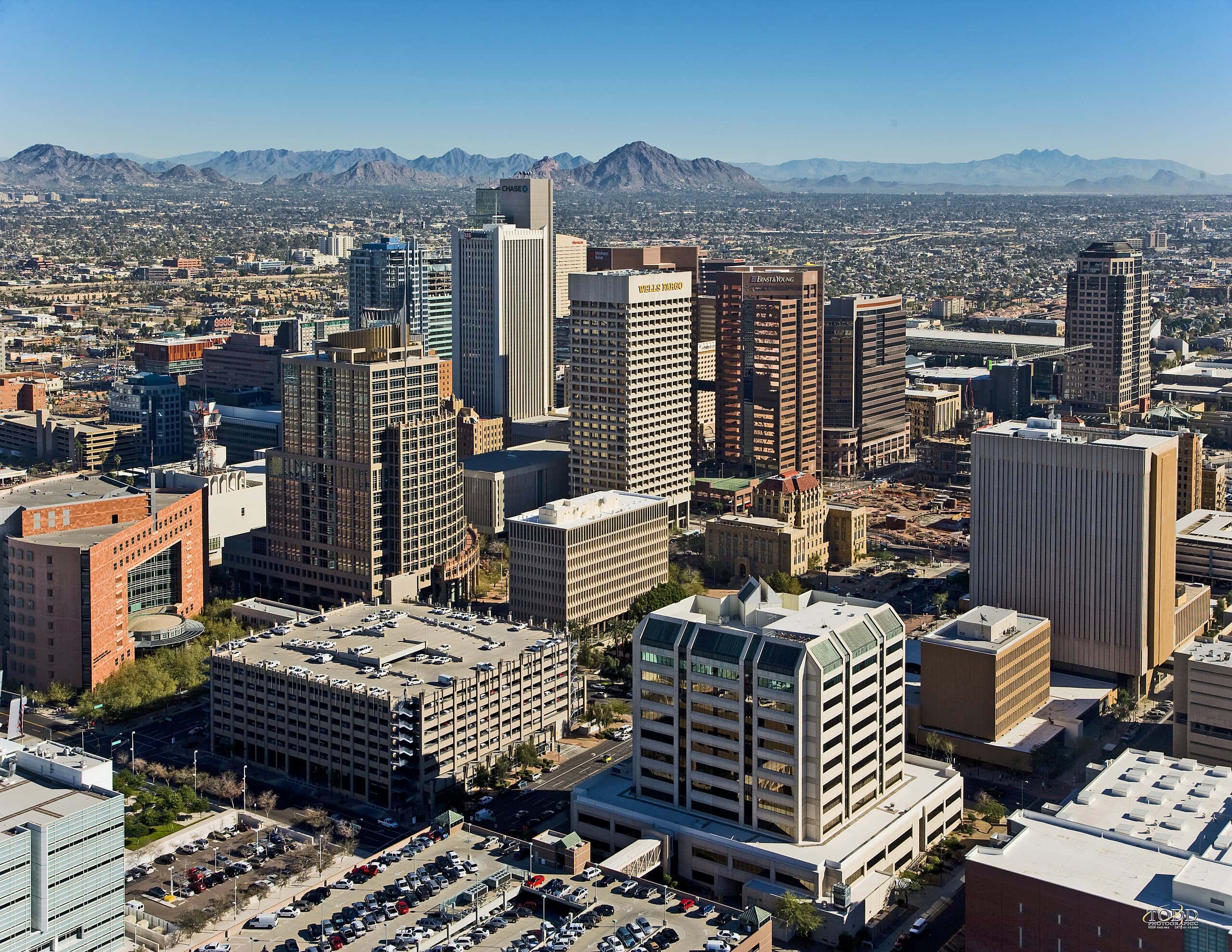
Primary Location
Phoenix Personal Injury Lawyers
2700 N Central Ave Suite 320, Phoenix, AZ 85004, United States
Phone: (602) 905-0124
Call us at (855) 855-8910

Table of Contents
ToggleI-10, I-19, Oracle Road - crashes on Tucson's busiest roads happen at speeds that do real damage. And summer heat? It makes everything worse. Your muscles lock up on impact, adrenaline floods your system, and you walk away thinking you're fine.
You're probably not.
Rear-end hits are everywhere in Tucson traffic. Even at 15 mph, your head whips forward and snaps back hard enough to strain ligaments you didn't know you had. The tricky part - you won't feel it right away. Stiffness, headaches, and shooting pain down your arm usually show up two or three days later.
Here's something most people don't realize about concussions. Your brain actually shifts inside your skull when your car stops suddenly. You might not notice anything wrong for hours. Then the dizziness kicks in. Confusion. Sensitivity to light. Don't write off a post-crash headache. Ever.
We see a lot of herniated discs and compressed nerves from Tucson car wrecks. The frustrating thing? Back injuries are sneaky. Starts as a dull ache. Then one morning you can't bend over to tie your shoes. Some clients end up in surgery because they waited too long to get checked out.
Arms, wrists, ribs, legs. A fracture means time off work, physical therapy, and bills stacking up before your first appointment.
Sprains and deep bruising won't show on an X-ray, but they're real injuries that keep you off your feet for weeks. Insurance companies love to dismiss these. Don't let them.
Here's what we tell clients after every crash: see a doctor within 24 hours. No exceptions. Delayed symptoms, headaches, neck stiffness, numbness, mood swings, can show up days later. That early medical record? It's one of the strongest tools in your case. Research from the National Highway Traffic Safety Administration [1] confirms that many crash injuries don't present symptoms immediately.
The type of wreck changes everything about your case. Who's at fault, what injuries you're dealing with, how the insurance company responds. Not all crashes are created equal.
Most common crash in Tucson by far. The driver behind you is almost always at fault. But don't assume that means the insurance company will make it easy. They won't.
Intersections are where these happen, and Tucson has some bad ones. Alvernon and 22nd Street. Grant and Tanque Verde. Golf Links and Swan. Your door doesn't offer much protection compared to the front or back of the car. Injuries tend to be severe.
Less common. Far more deadly. Wrong-way drivers on highway ramps and center-line crossers on two-lane roads cause most of these. Survival often depends on speed at impact.
Lane changes on I-10 and I-19 during rush hour. Seems minor until the driver overcorrects at 65 mph. Then it's not minor at all.
Arizona requires every driver to stop. When they don't, you've still got options. Your uninsured motorist coverage kicks in, and a lawyer can help track down the other driver or maximize that UM claim.
Uber or Lyft crash? Three insurance policies overlap: the rideshare company's, the driver's personal policy, and the other driver's coverage. Sorting out who pays what gets complicated fast. You need someone who's done this before.
Out on I-10 between Tucson and Marana, a lot of what starts as a routine fender bender turns into one of the semi-truck collisions we handle — because a commercial carrier was tailgating, fatigued, or running over hours.
Arizona is a fault state. Whoever caused the crash pays. Simple as that.
But here's the part most people don't know. Arizona follows pure comparative negligence under A.R.S. § 12-2505. That means you can still recover money even if the crash was partly your fault.
Say a jury decides you were 20% responsible and your total damages are $100,000. You'd get $80,000. And unlike most states that cut you off at 50% or 51% fault, Arizona has no threshold. Even at 80% fault, you can recover 20% of your damages.
Why does this matter to you? Because insurance adjusters use it as a weapon. They'll argue you share blame just to knock down your payout. A Tucson car accident lawyer knows how to counter that with actual evidence - camera footage, witness testimony, expert analysis - rather than letting the adjuster set the terms.
Multi-vehicle crashes work the same way. Fault gets divided among everyone involved. Each driver pays their share.
What you do in the first few hours after a crash matters more than most people realize. Here's the playbook.
1. Check for injuries and call 911. Safety first. Always. If someone's hurt, get paramedics rolling.
2. Move to a safe spot. Arizona law lets you pull your car out of traffic. Do it if you safely can.
3. Exchange info. Name, phone, insurance company, policy number, plate number. That's it. Don't talk about what happened or who's at fault.
4. Photograph everything. Vehicle damage, skid marks, road conditions, signs, your injuries. Use your phone and take way more than you think you need.
5. File a police report. Arizona requires one if there's any injury or damage over $1,000. Non-emergency crashes in Tucson go through the Tucson Police Department Collision Reporting Center. Outside city limits? Call Pima County Sheriff.
6. See a doctor within 24 hours. Even if you feel completely fine. Especially if you feel completely fine. Some of the worst injuries don't hurt right away, and that gap in medical records gives insurers an opening.
7. Call a car accident lawyer before talking to any insurance company. That adjuster calling you? Their job is to settle cheap. Your lawyer's job is to protect you. Big difference.
You don't need to figure this out alone. Here's how we put a case together.
We grab the crash report first. It has the officer's take on what happened, witness contact info, and sometimes a preliminary fault call. Lots of times we spot gaps or mistakes in these reports that nobody else caught. That alone can shift a case.
You know those red-light cameras at Alvernon and 22nd? Grant and Tanque Verde? They capture crashes all the time. And businesses near the scene usually have their own security cams pointed at the parking lot or street. Problem is, that footage disappears fast. Recorded over in days. Sometimes hours. That's why we fire off preservation letters the same week.
One solid eyewitness can win a case. But memories fade quick. A witness who remembers everything at two weeks might be fuzzy at two months. We lock down statements early so the details stay sharp.
Your doctors have been writing down every visit, every test, every complaint. All of that becomes evidence. Consistent treatment creates a timeline that ties your injuries directly to the crash. Skip appointments and the insurance company will use those gaps against you. Count on it.
For disputed cases or serious injuries, we bring in reconstruction experts who use physics, vehicle damage, and road evidence to show exactly what happened. Our attorneys secured a $1.25 million settlement for a rear-end collision client who needed spine surgery - strong reconstruction evidence left the insurer nowhere to hide.
Every word you say to an adjuster can be used against you. We handle that conversation so you don't accidentally torpedo your own claim.
The investigation we run on a car wreck mirrors the other accidents we handle across the city — pull the 911 audio, grab any nearby camera footage, and get a crash reconstructionist out before the scene gets paved over.
Arizona law lets you go after several categories of damages. Here's what's on the table.
ER bills. Surgeon fees. Six months of physical therapy. The MRI nobody warned you would cost $3,000. Every dollar you spend treating crash injuries is recoverable. Save everything - receipts, EOBs, pharmacy printouts. All of it.
Can't work because of your injuries? Those missed paychecks add up. And if the accident permanently changed what you can earn - say you're a mechanic who can't lift anymore - your future lost income counts too.
This is the one people underestimate. It's harder to calculate than medical bills, sure. But pain and suffering often makes up the biggest chunk of a settlement. How bad are your injuries? How long is recovery taking? Can you sleep through the night? These questions matter.
Your vehicle. Anything inside it. Personal items. Car seat your kid was sitting in.
Used to hike Sabino Canyon on weekends? Play softball with your buddies? Pick up your grandkids? If the crash took that away from you, it belongs in your claim.
One thing that surprises most clients: the insurance company's first offer is almost never close to fair. In one case, an insurer offered our client $12,500 for a soft tissue injury. We took it to trial and the jury came back with nearly $50,000 - more than four times what they tried to settle for.
On top of medical bills and lost wages, vehicle damage claims cover repair costs, a rental car, and the diminished value your vehicle lost the moment it was hit.
If you drive in Tucson, you already know the roads can be rough. Most crashes we see come down to one driver doing something careless. The Arizona Department of Transportation [2] recorded over 121,000 crashes statewide in 2024 alone.
Everyone says "phones" and they're right. But we've also seen crashes caused by people eating tacos on the way to work, messing with Spotify, or turning around to deal with kids in the backseat. Three seconds with your eyes off I-10 at 70 mph? You've crossed half a football field blind.
I-10, I-19, Oracle Road - these are Tucson's worst corridors for speed-related wrecks. Drivers routinely push 15, 20 over the limit. More speed means harder impacts and less time to react. Your commute isn't worth a spinal injury.
Arizona's DUI laws are among the toughest in the country. Still doesn't stop everyone. Areas around downtown and the University of Arizona campus see more alcohol-related crashes, especially late night and on weekends.
Grant and Tanque Verde. Alvernon and 22nd. Oracle and Wetmore. These intersections are notorious. A red-light T-bone sends the force straight through your door - the thinnest part of the car.
Rush hour on I-10, lane-hopping on Speedway, blind spots on Broadway. Sideswipes and rear-enders happen when drivers don't check before moving over.
Tucson's monsoon season dumps rain that turns roads slick in seconds. Dust storms drop visibility to zero. Drivers who don't adjust speed cause chain-reaction pileups.
Distracted driving is the backbone of most Uber and Lyft crashes, and it shows up the same way in everyday car accidents — drivers staring at a phone mount, fumbling with a GPS, or looking for an address instead of the road.
Two years from the date of the crash. That's your window under A.R.S. § 12-542. After that, you're done. The courthouse door closes.
Sounds generous. It's not. Evidence degrades quickly - surveillance footage gets overwritten, witnesses move away, memories blur. Medical records need time to compile. Building a strong case takes months.
Kids get an exception. If a minor is injured, the two-year clock doesn't start until they turn 18. But smart money says don't wait that long. Fresh evidence wins cases.
Your lawsuit would be filed in Pima County Superior Court [3] for Tucson-area accidents. A lawyer handles every filing deadline and procedural requirement so you don't miss a step.
Want to know how people cost themselves money after a crash? Here are the most common ways.
Giving a recorded statement too soon. The other driver's insurer will call you fast, sometimes the same day. They'll say it's routine. It's not. Every question is designed to get you to say something they can use later. Get a lawyer on your side before you talk to anyone.
Saying "I'm sorry" or "I didn't see you." Sounds polite. Reads as an admission of fault in a claim file. Keep it simple at the scene. Exchange info, take photos, let the investigation figure out what happened.
Skipping doctor appointments. Gaps in treatment are gold for insurance adjusters. They'll argue your injuries aren't serious or were caused by something else. Show up to every appointment. Follow your doctor's plan.
Taking the first offer. It's low. It's always low. Big insurers operating in Tucson, State Farm, GEICO, USAA with a heavy presence near Davis-Monthan Air Force Base, all train their adjusters to settle claims cheaply. Don't sign until you know what your case is actually worth.
Social media posts. That photo of you at a barbecue? The gym selfie? Insurance adjusters look at your accounts. Any post showing you active and smiling becomes evidence that you're "not really hurt." Go private. Stop posting about your life until your case resolves.
Our attorneys fight hard for clients in car accident cases. Here are real results from our firm.
Every case is different. Past results do not guarantee a similar outcome.
Our attorneys have handled personal injury cases across Arizona and California. We know how Tucson insurance companies operate, and we know how to push back.
That number reflects real results for real families — medical bills paid, lost wages recovered, and futures protected.
You pay nothing upfront. Our fee comes out of your settlement or verdict. If we do not win your case, you owe us nothing.
Accidents do not follow business hours. Neither do we. Call (602) 905-0124 any time — nights, weekends, and holidays.
We serve Tucson clients from our Phoenix office at 2700 N Central Ave, Suite 320. We know Arizona roads, courts, and insurance adjusters — and we travel to meet you when it matters.
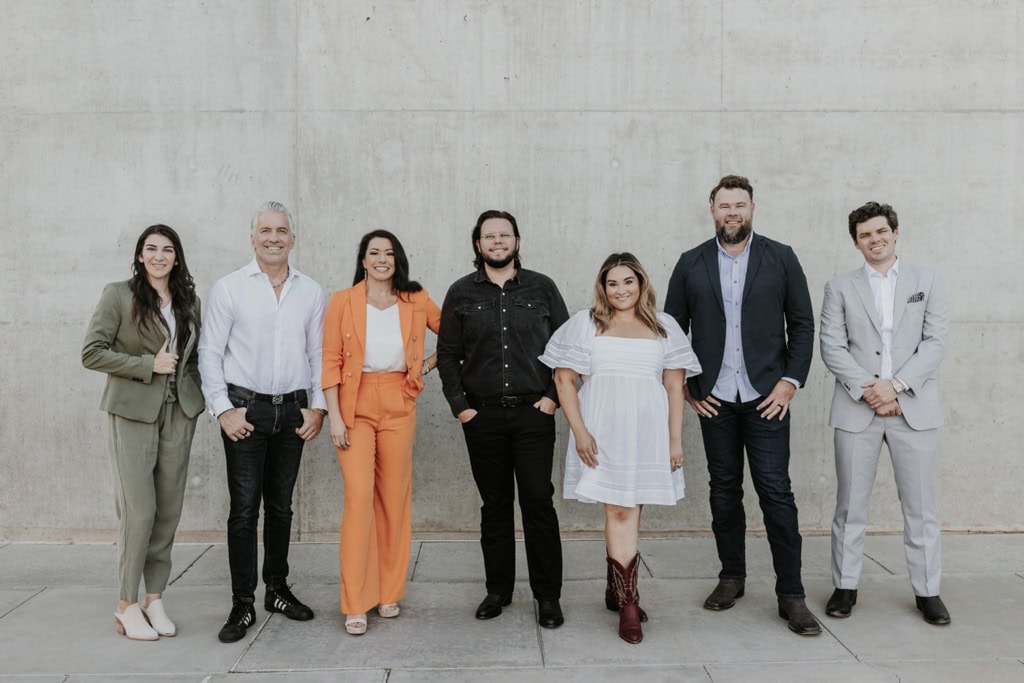
“After a crash, you need a team that answers the phone, explains your options, and fights for every dollar you are owed. That is what we do at The Simon Law Group.”
Over 250 years of combined attorney experience
Serving Tucson from Phoenix | 2700 N Central Ave, Suite 320 | Licensed in AZ & CA
No. Arizona is a fault-based state. The driver who caused the crash pays for damages.
Yes. Arizona uses pure comparative negligence. Your award gets reduced by your share of fault, but you can still collect.
Straightforward claims sometimes settle in three to six months. Cases with disputed fault or serious injuries can take over a year if they go to litigation.
Headaches, neck stiffness, numbness, back pain, and mood changes can surface days after a crash. See a doctor within 24 hours even if nothing hurts yet.
High-crash spots include Alvernon and 22nd Street, Grant and Tanque Verde, Golf Links and Swan, and Oracle and Wetmore.
Our Location
Other Locations
Austin, TX
Torrance, CA
Santa Ana, CA
Seal Beach, CA
Areas We Serve
From our main office in Torrance, The Simon Law Group serves injured clients across Los Angeles County and throughout California, Arizona, and Texas. Our Seal Beach office helps us better serve Orange County, and we also have offices in Phoenix, AZ, and Austin, TX.
About Our Firm
The Simon Law Group was founded 15 years ago by twin brothers and attorneys Robert and Brad Simon to protect the rights of accident victims in California. In the fifteen years since our firm was established, our attorneys have recovered $600+ Million in settlements and verdicts for our clients. Recognized by many major legal organizations, we get results, and we’d be proud to fight for you after your accident or injury.
Follow Us!
Attorney Advertising. This website is a communication by The Simon Law Group, LLP. The attorneys responsible for its content are Robert T. Simon (California State Bar No. 238095) and Brad Simon (California State Bar No. 244369). The firm's principal office is located at 2916 W 164th Street, Torrance, California 90504. The information here is general and is not legal advice, and viewing it or contacting the firm does not create an attorney-client relationship. Prior results do not guarantee a similar outcome.