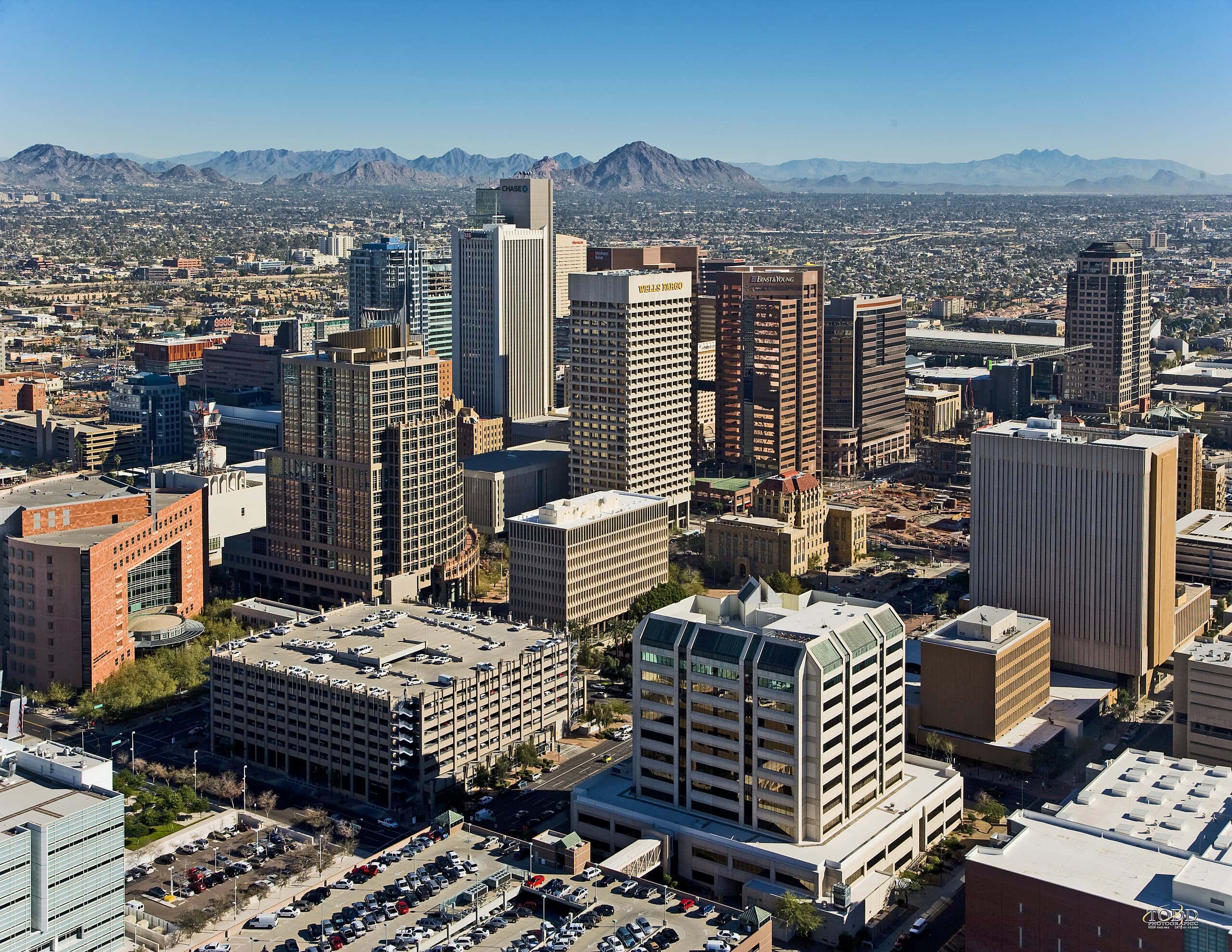
Primary Location
Phoenix Personal Injury Lawyers
2700 N Central Ave Suite 320, Phoenix, AZ 85004, United States
Phone: (602) 905-0124
Call us at (855) 855-8910

Table of Contents
ToggleHere's a stat that should bother you: Tucson consistently ranks among the deadliest U.S. cities for people on bikes. Why? Riding season never ends here. Year-round sunshine means more cyclists sharing roads with cars and trucks every single day.
What actually causes most of these crashes, though? Driver carelessness. That's the short answer. Somebody scrolling their phone at 40 on Speedway. A parked driver swinging their door open on Broadway without looking. An SUV blowing through a right turn at Grant Road while a cyclist has the green. Distracted driving, dooring, failure to yield at intersections. Same patterns over and over.
But it's not just the drivers. Tucson's road layout is part of the problem. Wide, fast arterials like Grant Road, 22nd Street, and Speedway were designed for cars doing 45. Protected bike lanes? Almost none on those routes. So you've got cyclists inches from vehicles going three times their speed.
Near the U of A and midtown, the cycling traffic gets dense. Students, commuters, weekend riders, all sharing corridors with city buses and Amazon vans. Those spots are where crashes pile up.
The numbers back this up. ADOT counted 1,379 bicycle crashes across Arizona in 2024, up 21% from the year prior [1]. Pima County contributed about 13% of that total. And driver error? It showed up in over half of every bicycle collision statewide.
The same driver mistakes that cause pedestrian crash claims — rolling through a stop sign, missing a crosswalk, checking a phone at a red light — are what put cyclists on the pavement every week.
Around the University of Arizona and 4th Avenue, drop-off traffic has turned rideshare dooring claims into one of the fastest-growing causes of serious bike injuries downtown.
No doors. No airbags. No crumple zones. A bike gives you nothing between your body and a 4,000-pound vehicle.
Road rash tops the injury list, and most people don't realize how bad it gets. Your skin drags across pavement at speed, shredding through layers of tissue. Now add this: in a Tucson summer, the asphalt itself can hit 150 degrees or higher. What would be road rash anywhere else becomes a contact burn here.
Fractures come next. Collarbones, wrists, pelvises, arms. The kind that need plates, screws, and months in physical therapy. Some heal well. Plenty don't.
Brain injuries scare us the most. And yes, they happen even when the rider wore a helmet. Helmets help. But a high-speed impact can still rattle your brain hard enough to cause real damage. What's tricky about concussions? Symptoms might not appear for two or three days. You tell the insurance company you're fine. Then the headaches start. Then the memory gaps. By that point, the adjuster already has your "I'm okay" on record.
Spinal injuries are the other worst-case scenario. One rear-end collision at speed. Herniated discs. Fractured vertebrae. Paralysis. Some of these riders never walk again.
And then there's the stuff that sounds "minor" but isn't. Torn ligaments. Strained muscles. Soft tissue damage that keeps you on the couch for two months and out of work the whole time.
Cyclists and riders share the same vulnerability on the road, which is why the injuries we see in motorcycle crash cases — road rash, fractures, head trauma — show up almost identically in serious bike wrecks.
Short answer: the driver's insurance. Arizona runs a fault-based system. Whoever caused the crash pays through their liability policy. Not your health insurance. Not some nonexistent "bike insurance." The at-fault driver's auto policy.
Your claim covers everything: medical bills, time missed from work, pain and suffering, and the cost of replacing your destroyed bike and gear.
What about shared fault? Arizona uses pure comparative negligence, and this is actually good news for cyclists. Say the driver was 80% at fault and you were 20% because you didn't have your rear light on. You still recover 80% of your damages. The insurance company loves arguing shared fault because it sounds like a dealbreaker. It's not. Your percentage just reduces the check, it doesn't zero it out.
Multiple parties can share liability too. Obviously the driver who hit you. But what if a pothole or missing stop sign contributed? The City of Tucson or Pima County might share the blame. Defective bike component that failed during the crash? That's on the manufacturer.
One law worth knowing: ARS 28-735, Arizona's three-foot passing rule [2]. Drivers must give cyclists three feet of clearance. When someone buzzes past you with six inches to spare and clips your handlebar, that's a statutory violation. And violations like that make proving negligence much simpler.
Our attorneys secured a $3.6 million settlement for the family of a cyclist killed in a wrongful death bicycle accident involving a two-vehicle collision. Cases with clear fault violations give us real leverage at the negotiating table.
What you do in the first 24 hours matters more than you think. Here's the playbook:
Here's what goes wrong most often. Someone gets hit, feels shaky but "okay," and goes home without seeing a doctor. Three weeks pass. Now the MRI shows a herniated disc. A headache that won't quit turns out to be post-concussion syndrome. And the insurance adjuster? They point to that three-week gap and say the injury happened somewhere else. Don't give them that opening.
Arizona law actually favors injured cyclists in several ways [3]. Worth knowing before you talk to anyone about your case.
First: cyclists belong on the road. Period. ARS 28-812 gives cyclists the same legal rights as motor vehicles. Any driver who complains that "bikes shouldn't be in traffic" is wrong. Legally and factually.
Second: you've got two years to file. The statute of limitations under ARS 12-542 starts from the accident date. Miss that window and your case is gone, full stop. Sounds like plenty of time. It's not. Collecting medical records, documenting your damages, negotiating with the insurer, all of that takes months. Start early.
Third: partial fault doesn't destroy your claim. This is the one that surprises people. The insurance company tells you that you ran a stop sign or weren't wearing reflective clothing, hoping you'll think your case is dead. Under pure comparative negligence, it's not. They reduce your award by your share of the blame, but the rest is still yours.
Fourth: no damage caps. Arizona's constitution prevents the legislature from capping personal injury awards. What a jury decides you deserve is what you get. Your compensation matches the actual harm, not some artificial limit.
If your case ends up in court, it goes through Pima County Superior Court. Most bicycle accident claims settle before trial, but having a lawyer prepared to go the distance changes how the insurance company negotiates.
Bicycle claims are one piece of the rest of what we handle in Tucson, and the same Arizona negligence rules apply across every type of injury case we take on.
No two cases pay the same amount. But the building blocks are similar.
Medical expenses come first and they add up shockingly fast. One ER visit, an MRI, surgery on a broken collarbone, three months of physical therapy. You're looking at $50,000 to $200,000 or more before you're back on your feet.
Lost income hits hard too. Weeks or months out of work while you recover. For riders who can't return to the same job because of permanent limitations, future earning capacity becomes part of the calculation.
Pain and suffering. This covers what the crash actually feels like to live through. The chronic ache in your shoulder. The anxiety you feel when a car passes too close now. The PTSD. Losing the ability to ride, the activity that kept you sane. These aren't abstract concepts. Arizona law puts real dollar value on them.
Future medical costs matter for severe injuries. If you're looking at years of follow-up appointments, medication, or assistive devices because of a spinal cord injury or TBI, your settlement should reflect every projected dollar. Not just the bills sitting on your counter today.
Our attorneys won $630,000 for a client with what the doctors called a "mild" traumatic brain injury and a fractured sternum. Mild on paper. But months of headaches, memory problems, and lost work in real life. That gap between the medical label and the lived reality is exactly where an attorney adds value.
Without legal representation, most injured cyclists take the first check the insurer offers. That check is almost always a fraction of what the case is actually worth.
We fight hard for cyclists and other vulnerable road users. Here are some of the results our attorneys have delivered:
Our team secured a $3.6 million settlement for the family of a cyclist killed in a wrongful death case involving a two-vehicle collision. The insurer initially resisted. Detailed accident reconstruction and persistent negotiation got the family to a number that reflected what they'd actually lost.
In a pedestrian-versus-vehicle case, our attorneys obtained a $2.5 million settlement. Pedestrian and bicycle cases share a lot of the same legal dynamics. No protection, catastrophic injuries, and insurance companies that try to shift blame onto the person who got hit.
We also recovered $630,000 for a client diagnosed with a mild TBI and fractured sternum after being struck by a vehicle. The "mild" label made the insurer think they could settle for less. The reality of our client's ongoing symptoms told a different story.
Every case is different. Past results do not guarantee a similar outcome.
Our attorneys have handled personal injury cases across Arizona and California. We know how Tucson insurance companies operate, and we know how to push back.
That number reflects real results for real families — medical bills paid, lost wages recovered, and futures protected.
You pay nothing upfront. Our fee comes out of your settlement or verdict. If we do not win your case, you owe us nothing.
Accidents do not follow business hours. Neither do we. Call (602) 905-0124 any time — nights, weekends, and holidays.
We serve Tucson clients from our Phoenix office at 2700 N Central Ave, Suite 320. We know Arizona roads, courts, and insurance adjusters — and we travel to meet you when it matters.
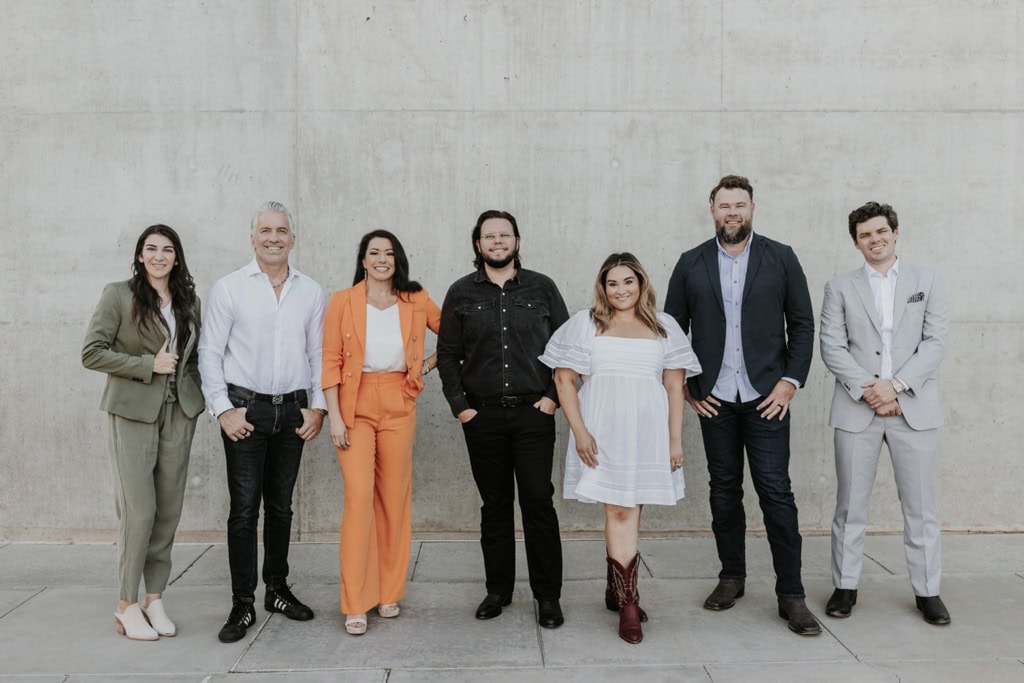
“After a crash, you need a team that answers the phone, explains your options, and fights for every dollar you are owed. That is what we do at The Simon Law Group.”
Over 250 years of combined attorney experience
Serving Tucson from Phoenix | 2700 N Central Ave, Suite 320 | Licensed in AZ & CA
Arizona doesn't require adult cyclists to wear helmets. So not wearing one shouldn't block your claim. There is a local Tucson ordinance requiring helmets for riders under 18, but for adults, helmet use is a personal choice, not a legal requirement that affects your right to compensation.
Almost always the person who opened the door. Under Arizona negligence law, drivers and passengers have a duty to check for cyclists before opening into traffic. It happens a lot along Broadway and 4th Avenue where parked cars line up next to bike lanes.
It does. Arizona's fault-based system puts the bill on the at-fault driver's liability policy. That includes your medical treatment, lost wages, and pain and suffering.
Two years from the crash date. That's the deadline under ARS 12-542. But starting earlier preserves evidence and puts more pressure on the insurance company during negotiations.
You might have uninsured motorist coverage on your own auto policy. That can step in when the at-fault driver has no insurance. You can also sue the driver directly, though collecting on that judgment depends on what assets they have.
Absolutely. Arizona's pure comparative negligence rule doesn't cut you off at any percentage. You could be 49% at fault and still recover 51% of your damages. The insurer's favorite play is making you feel like shared fault kills your case. It doesn't.
Our Location
Other Locations
Austin, TX
Torrance, CA
Santa Ana, CA
Seal Beach, CA
Areas We Serve
From our main office in Torrance, The Simon Law Group serves injured clients across Los Angeles County and throughout California, Arizona, and Texas. Our Seal Beach office helps us better serve Orange County, and we also have offices in Phoenix, AZ, and Austin, TX.
About Our Firm
The Simon Law Group was founded 15 years ago by twin brothers and attorneys Robert and Brad Simon to protect the rights of accident victims in California. In the fifteen years since our firm was established, our attorneys have recovered $600+ Million in settlements and verdicts for our clients. Recognized by many major legal organizations, we get results, and we’d be proud to fight for you after your accident or injury.
Follow Us!
Attorney Advertising. This website is a communication by The Simon Law Group, LLP. The attorneys responsible for its content are Robert T. Simon (California State Bar No. 238095) and Brad Simon (California State Bar No. 244369). The firm's principal office is located at 2916 W 164th Street, Torrance, California 90504. The information here is general and is not legal advice, and viewing it or contacting the firm does not create an attorney-client relationship. Prior results do not guarantee a similar outcome.