Primary Location
Phoenix Personal Injury Lawyers
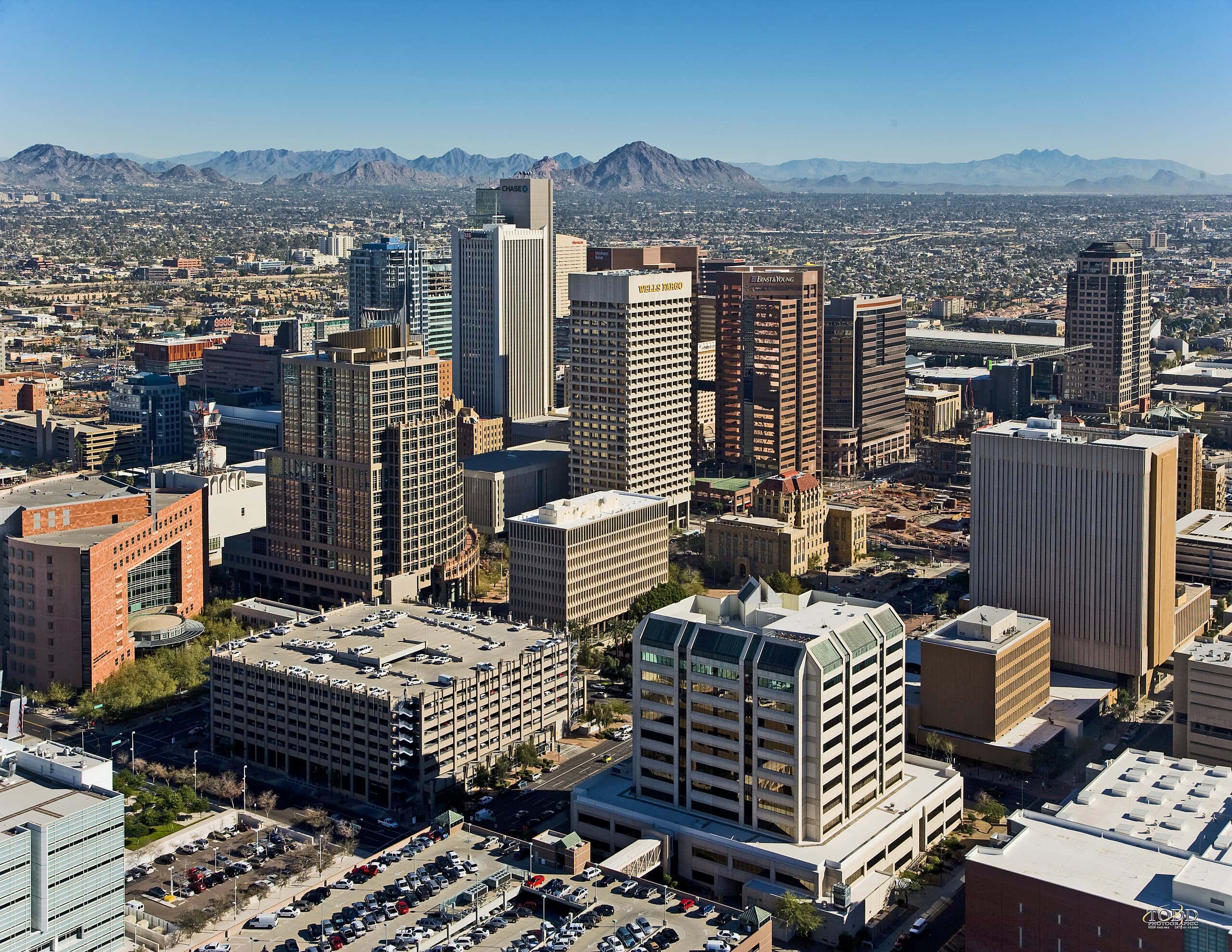
2700 N Central Ave Suite 320, Phoenix, AZ 85004, United States
Phone: (602) 905-0124
Call us at (855) 855-8910

A jackknife accident happens when a semi's trailer swings sideways and folds against the cab at a sharp angle. On Phoenix freeways like I-10 and Loop 202, that trailer can sweep across multiple lanes. The result? Multi-vehicle pileups and catastrophic injuries.
Table of Contents
TogglePicture a cab slowing down while 80,000 pounds of trailer keeps pushing from behind. The trailer loses grip, swings wide, and folds against the cab like a pocket knife. Fast. Violent. Almost impossible to stop once it starts.
So what causes it?
Sudden braking is the biggest one. But speeding through construction zones, driver fatigue after too many hours on the road, uneven cargo loading, and flat-out brake failure all play a role.
Phoenix adds its own problems. Monsoon season drops heavy rain onto roads caked with oil and dust. Tires lose grip instantly. Desert heat wears down brake pads and drums faster than most people realize. On I-17, those steep grades near Anthem and Black Canyon City force trucks to ride their brakes hard on the downhill.
And here is the real issue with Phoenix specifically. I-10 through downtown runs trucks right alongside packed commuter lanes. When a semi jackknifes in that traffic, nobody has anywhere to go. Two or three lanes get blocked. Cars pile up behind it.
Jackknife wrecks are one of the most destructive categories within commercial trucking collisions across Phoenix, and the federal Hours of Service evidence we pull applies to both.
The same driver training failures that cause jackknifes on I-10 also drive wide-turn squeeze crashes at tight Phoenix intersections, which is why both claim types often name the same motor carrier.
We handle truck accident cases regularly, and jackknife crashes produce some of the worst injuries we see. The math tells you why. A fully loaded semi? About 80,000 pounds. Your sedan? Maybe 4,000. That is a 20-to-1 weight difference hitting you at freeway speed.
The trailer sweeps across lanes with zero warning. Drivers next to the truck or behind it have almost no time to react. Not a second to swerve, sometimes not even enough time to hit the brakes.
What we see in these cases:
Recovery? Multiple surgeries. Months of physical therapy. Ongoing care that stretches into years for some people. Some of our clients have told us they never got back to the job they had before.
One thing worth knowing about Phoenix. Remote stretches of I-17 north of the city mean longer ambulance response times. That delay matters when someone is bleeding internally or has a spinal injury.
Here is something most people don't expect. In a jackknife case, liability rarely falls on just one person. The driver? Sure, sometimes. But there are usually others.
Your claim could name any of these parties:
Trucking companies catch liability through something called respondeat superior. If their driver caused the crash while on the job, the company pays too. Period.
And cargo loaders who stack freight unevenly? They shift the trailer's center of gravity. That alone can set up a jackknife before the truck even pulls out of the yard.
Arizona uses pure comparative negligence under A.R.S. 12-2505 [1]. What does that mean for you? Even if the other side argues you were partly at fault, your compensation gets reduced by your percentage but you still collect. Maricopa County courts see these multi-party trucking cases regularly, and our attorneys know how to name every party that contributed.
Federal Motor Carrier Safety Administration [2] rules govern hours of service, vehicle maintenance, and cargo securement. When a company cuts corners on those rules, that becomes direct evidence of negligence in your case.
When a trailer tire fails at highway speed, the rig can jackknife before the driver reacts — the liability chain in blown-tire freeway crashes usually brings the tire manufacturer and the maintenance shop into the case alongside the trucking company.
Time is your enemy after a jackknife crash. Trucking companies have overwritten electronic data within days of an accident. Driver logs get altered. Maintenance records go missing. That is not an accident. It is a pattern.
What your attorney needs to lock down fast:
Black box data from the truck's ECM or ELD. This shows speed at impact, braking patterns, and how many hours the driver was behind the wheel before the crash.
Driver logs. Were rest breaks taken? Were hours-of-service limits followed? If not, the trucking company knew.
Maintenance records. Did someone sign off on a brake inspection that never actually happened? We've seen it.
GPS history. Where did the truck go? Did it take an unauthorized route? Were there unlogged stops?
Cargo loading manifests. Was the trailer overloaded? Was weight distributed evenly?
Dashcam and traffic camera footage. The truck's own camera, nearby vehicles, and ADOT cameras on Loop 202 and I-10 all capture footage that can prove what happened.
Police reports add facts. Witness statements fill gaps. And accident reconstruction experts piece together skid marks, debris fields, and final vehicle positions to show the jury exactly how the jackknife happened.
Monsoon debris on Phoenix roadways? That gets documented too. If loose gravel or standing water from a storm contributed, it becomes part of the evidence.
Here's what we tell every client who calls. Don't wait. Not even a week. The faster your attorney sends a preservation letter to the trucking company, the harder it is for them to make anything disappear. That letter puts them on legal notice.
You're reading this either because a crash just happened or because you're worried about doing the wrong thing. Either way, here's your checklist.
If your crash happened near the Durango Curve or the I-10 and I-17 Stack interchange, know this. Those are high-volume areas. Scene evidence gets cleared fast for traffic flow. Your phone photos might be the only record of how things looked right after the wreck.
Your claim goes beyond hospital bills. Way beyond.
Economic damages are the concrete costs. Medical expenses, both past and future. Surgeries, physical therapy, long-term care. Lost paychecks while you're recovering. Lost earning capacity if you can't go back to the same work. Vehicle repair or replacement. Even mileage to medical appointments.
Non-economic damages are harder to put a number on, but they're just as real. Physical pain. The anxiety that hits every time you drive past a semi on the freeway. Loss of sleep. Strain on your marriage or family life.
And here's one most people don't know about. If the trucking company knowingly ignored federal safety rules, or put a driver on the road they knew was dangerous, you can ask for punitive damages. That's not compensation for you. It's punishment for them.
Our legal team recovered $1.6 million in a trucking versus auto collision case. Different facts will produce different results, but that gives you a sense of what these cases are worth when the evidence supports the claim.
Numbers tell part of the story. Here are real outcomes from truck accident cases our attorneys have handled.
A 62-year-old licensed vocational nurse was rear-ended by a semi-trailer on I-40 and suffered serious injuries. Our attorneys recovered $7 million for her.
In a separate case, a truck lost control and rolled over our client's vehicle. We secured $1.7 million.
When a tractor-trailer rear-ended another client, we took the case to trial. The jury came back with an award of over $1.8 million.
Every case is different. Past results do not guarantee a similar outcome.
Two years. That's how long Arizona gives you to file a lawsuit after a truck accident. A.R.S. 12-542 [3] sets that deadline, and courts enforce it strictly. Miss it by a day, and your case is gone. No exceptions. No extensions.
Wrongful death? Same two-year window, but the clock starts from the date of death rather than the date of the crash.
Arizona's comparative negligence rule works in your favor. Under A.R.S. 12-2505, even if the trucking company argues you were partly at fault, you still recover. Your award gets reduced by your share of blame. So if a jury says you were 20 percent at fault on a million dollar verdict, you collect $800,000. You can recover at any fault percentage under Arizona law.
Maricopa County Superior Court handles these cases. Judges here see trucking disputes regularly and understand FMCSA regulations and multi-party liability.
But here's the real reason not to wait. Black box data gets overwritten. Driver logs get lost. Witnesses forget details. Our team secured a $999,000 settlement for a client struck by a semi-truck who suffered a femur fracture. Preserving evidence early made that result possible.
Sources:
[1] Arizona Revised Statutes - 12-2505 Comparative Negligence
[2] FMCSA - Large Trucks in Crashes by Jackknife Occurrence, 2020
[3] Arizona Revised Statutes - 12-542 Statute of Limitations
Arizona’s two-year statute of limitations applies to every case our Phoenix injury team handles, but jackknife claims are even more time-sensitive because ELD data starts overwriting within days.
Our attorneys have handled personal injury cases across Arizona and California. We know how Phoenix insurance companies operate, and we know how to push back.
That number reflects real results for real families — medical bills paid, lost wages recovered, and futures protected.
You pay nothing upfront. Our fee comes out of your settlement or verdict.
Accidents do not follow business hours. Neither do we. Call (602) 905-0124 any time — nights, weekends, and holidays.
Our Phoenix team works out of 2700 N Central Ave, Suite 320. We know the roads, the courts, and the insurance adjusters you are up against.
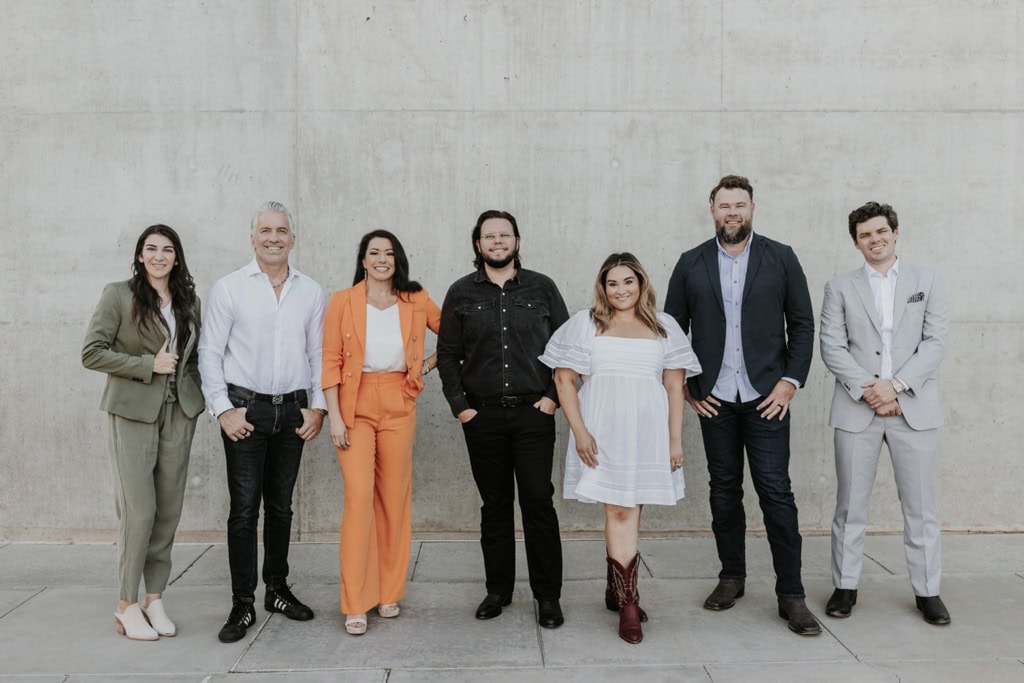
“After a crash, you need a team that answers the phone, explains your options, and fights for every dollar you are owed. That is what we do at The Simon Law Group.”
Over 250 years of combined attorney experience
Phoenix office at 2700 N Central Ave, Suite 320 |
Licensed in Arizona and California
A jackknife involves the trailer folding against the cab and sweeping across lanes. This mechanism causes multi-vehicle pileups more often than rear-end or sideswipe truck crashes because the trailer blocks multiple lanes at once.
Yes. Jackknifing can result from brake failure, improper loading, or poor maintenance. Liability may fall on the trucking company, cargo loader, or maintenance crew rather than the driver alone.
Victims may recover medical expenses, lost wages, future care costs, pain and suffering, and property damage. Punitive damages may apply if the trucking company ignored safety rules.
Most cases settle in 6 to 18 months. Cases with multiple liable parties or severe injuries may take longer, especially if the case goes to trial in Maricopa County.
Arizona uses pure comparative negligence. Even if you were partly at fault, your compensation is reduced by your fault percentage but not eliminated.
Jackknife cases involve federal trucking regulations, black box data analysis, and multiple defendants. An experienced attorney knows how to preserve evidence and identify all liable parties before records are destroyed.
Our Location
Other Locations
Austin, TX
Torrance, CA
Santa Ana, CA
Seal Beach, CA
Areas We Serve
From our main office in Torrance, The Simon Law Group serves injured clients across Los Angeles County and throughout California, Arizona, and Texas. Our Seal Beach office helps us better serve Orange County, and we also have offices in Phoenix, AZ, and Austin, TX.
About Our Firm
The Simon Law Group was founded 15 years ago by twin brothers and attorneys Robert and Brad Simon to protect the rights of accident victims in California. In the fifteen years since our firm was established, our attorneys have recovered $600+ Million in settlements and verdicts for our clients. Recognized by many major legal organizations, we get results, and we’d be proud to fight for you after your accident or injury.
Follow Us!
Attorney Advertising. This website is a communication by The Simon Law Group, LLP. The attorneys responsible for its content are Robert T. Simon (California State Bar No. 238095) and Brad Simon (California State Bar No. 244369). The firm's principal office is located at 2916 W 164th Street, Torrance, California 90504. The information here is general and is not legal advice, and viewing it or contacting the firm does not create an attorney-client relationship. Prior results do not guarantee a similar outcome.