
Primary Location
Phoenix Personal Injury Lawyers
2700 N Central Ave Suite 320, Phoenix, AZ 85004, United States
Phone: (602) 905-0124
Call us at (855) 855-8910

Table of Contents
TogglePersonal injury law lets people who are hurt by someone else's negligence recover money for their losses. In Phoenix, these cases include car crashes, slip and falls, medical errors, and workplace injuries.
Getting hurt because someone else messed up is frustrating enough. Having to prove it in court? That's where a lot of people get overwhelmed. Arizona requires you to show four things, and all four have to be there.
Duty of care comes first. The person who hurt you had a responsibility to act safely. Behind the wheel, that means following traffic laws. Running a business, that means keeping floors clean and stairways in good shape. Practicing medicine, that means getting the diagnosis right. We all owe each other that much.
A breach is what happens when they fail. Think about a driver blowing through a red light near 7th Street and Camelback. Or a landlord who knew about a busted handrail for three weeks and never fixed it. Those aren't just accidents. They're failures to uphold a basic responsibility.
Causation connects their failure to your injury. The crash broke your arm. The fall tore your knee ligament. You draw a direct line between what they did wrong and what happened to you. If your injury would've occurred regardless, you don't have a case on that element.
Real losses round it out. Hospital bills you're drowning in. Paychecks that stopped coming. Pain that wakes you up at 3 a.m. Courts call these "damages," and without them, there's nothing to recover.
Now, something about Arizona that shocks a lot of people who come to us after a crash. Pure comparative negligence. It's written into A.R.S. 12-2505, and it means you can recover money even when you share some blame. A jury decides you're 30% at fault for a collision on I-10? You walk away with 70% of your damages. Try that in Texas or Colorado, where they cut you off at 51%.
An insurance adjuster might tell you it's your fault and you should just walk away. Don't. A reduced payout beats no payout.
Around Maryvale and Central City, packed intersections make multi-car wrecks a regular occurrence. Three, four drivers involved, everyone blaming the other person. Figuring out who owes what takes real legal legwork.
People come to us after all kinds of incidents. Some are the crashes you'd expect on a city with highways as busy as the I-10 and I-17. Others are quieter tragedies, the medication error nobody noticed, the apartment stairwell that finally gave out.
Car wrecks top the list. Rear-end hits at stoplights. Side-impacts at intersections that didn't have proper signage. Hit-and-runs on I-17 where the other driver vanished. Dust storm pileups on the Loop 101 that involve a dozen vehicles at once. We secured $1.75 million for one client whose crash was so severe they ended up needing a spinal cord stimulator implanted. That's a device that manages chronic nerve pain when nothing else works.
Truck crashes are a different animal entirely. An 80,000-pound semi doesn't slow down the way a sedan does. ADOT's annual data shows thousands of truck-involved collisions happening on Arizona roads every year [2], and the injuries that come out of them tend to be devastating.
Motorcyclists face their own risks. Arizona's year-round riding season sounds great until a distracted driver turns left into your path or merges without checking their mirror. Pedestrians have it rough too. Wide lanes, fast traffic, limited crosswalks. Phoenix is one of the worst metro areas in the country for pedestrian safety, and the numbers back that up.
Slip and fall injuries catch people by surprise. You're grabbing groceries, your foot hits a wet patch nobody cleaned up, and suddenly you're staring at a ceiling from the floor of a Fry's. Medical malpractice cases range from surgical mistakes to a doctor dismissing symptoms that turn out to be something serious. Workplace injuries put construction workers, warehouse staff, and tradespeople at risk every day.
Dog bite cases follow strict liability rules in Arizona under A.R.S. 11-1025. First bite or fiftieth, the owner pays. Product liability covers defective car parts, medical devices with design flaws, and consumer products that shouldn't have made it to store shelves.
The rules vary by case type. The common thread? Someone's negligence put you in harm's way.
When a fatal accident results from someone else's negligence, a wrongful death attorney can pursue a separate claim on behalf of the surviving family members for the full economic and emotional losses the death caused.
"Do I actually need a lawyer?" We hear it constantly. And nobody's going to force you to hire one. You're legally allowed to handle your own claim.
But should you? That's a different question.
Insurance companies employ full-time adjusters whose job, every day, is to close claims quickly and cheaply. They have training manuals. They have software that calculates the minimum they can offer. And they know that most people without lawyers will take the first check put in front of them.
What do you get with an attorney? Someone who knows what your case is actually worth. Someone who pulls the medical records, talks to the witnesses, and handles the back-and-forth so you're not spending your recovery time on the phone arguing with an adjuster.
Money-wise, hiring us costs you nothing upfront. Nothing at all. Contingency fee means we eat the cost of building your case, and if we lose, that's on us. You walk away owing zero. The only time we get paid is when you get paid.
Here's the part that people don't think about until it's too late. Those insurance tactics. The adjuster calls you two days after your crash, all friendly, asking if you'd mind giving a "quick recorded statement." What they want is you saying something, anything, they can twist into an argument that your injuries aren't that bad. Or they slide a settlement offer across the table before your MRI results are even back. A lawyer spots that and shuts it down.
Multi-party crashes out near Arcadia or Ahwatukee make solo representation basically unworkable. Three drivers, a trucking outfit, a rideshare platform, separate insurance carriers. Everybody lawyered up except you? Bad position to be in. Let our Phoenix injury law office even the playing field.
Yesterday. If your accident happened yesterday, call today. If it happened this morning, call now.
That's not salesmanship. There's a real tactical reason. Security camera footage from the gas station across the street? Those systems loop every 72 hours. Your key evidence could be gone by the weekend. Witnesses who saw your crash will remember it clearly today. Give it a month, and the details blur together.
And the other side isn't waiting around. An adjuster from the at-fault driver's insurance might reach out to you today. They'll sound sympathetic. They'll ask reasonable-sounding questions. Everything you say goes into a file they'll use to minimize your payout.
Two years. That's your window to file under Arizona law. Feels like plenty until you realize how long it takes to build a case properly. Medical treatment alone can stretch months. Add investigation time, records requests, and rounds of negotiation, and that runway disappears.
We don't charge for the initial call. Dial (602) 905-0124, day or night. We pick up.
The first 48 hours after your accident are gold. What you collect right then shapes everything that follows.
At the scene, your phone is your best tool. Photograph the damage. Photograph your injuries. Get shots of traffic signs, road conditions, skid marks, weather. If someone saw what happened, grab their name and number before they leave. People vanish after accidents. They drive off, they go back to their lives, and tracking them down later costs time and money.
Paper trail matters just as much. Medical records from the ER. Bills from follow-up appointments. Pharmacy receipts. Keep all of it. Start a simple daily journal, too. Write down your pain level each day. Note what you couldn't do. Missed your daughter's soccer game because your back locked up? Write it down. Couldn't sleep because the pain kept waking you? Document it. That journal becomes evidence of how this injury changed your actual life.
Crash reports are available through Phoenix PD or Arizona DPS, depending on jurisdiction. Request yours as early as you can.
Something locals know about Phoenix in summer: the heat itself causes wrecks. Tire blowouts on superheated asphalt. Road surfaces that buckle. Drivers fighting fatigue from 115-degree days. If conditions like that played a role in your accident, it strengthens your claim.
Along corridors like I-10 and I-17, traffic cameras may have captured what happened. We send preservation letters to the agencies and businesses that control those cameras so the footage doesn't get automatically deleted.
If you've never been through this before, the process can feel like a black box. So here's what actually happens.
You come in for a free consultation. We sit down, hear your story, look at whatever evidence you've got, and give you an honest assessment. Can you win? What's the range of outcomes? No charge for that conversation, and no obligation to go further.
When you hire us, the investigation phase begins. We're pulling police reports, requesting medical records, interviewing witnesses, reviewing whatever camera footage exists. Complicated cases sometimes require accident reconstruction experts who can show a jury exactly how the crash unfolded.
With a full understanding of your damages, we draft a demand letter to the insurance company. This document spells out the facts, identifies the responsible parties, and tells the insurer what we believe the case is worth.
Negotiation follows. And this is where most Phoenix injury cases get settled. The insurer responds. We counter. There's usually some back-and-forth before we land on a number both sides accept.
When the insurance company refuses to pay what your case is worth, we file in Maricopa County Superior Court. The Arizona Judicial Branch offers self-service civil court resources for those involved in the process [3]. Filing suit doesn't end the conversation. In fact, it usually accelerates it.
A handful of cases reach the trial stage at the Downtown Phoenix courthouses. More often, cases resolve through mediation before that point. Our trial representation in Phoenix team preps for trial from day one regardless. Why? Because insurers make better offers when they know the other side isn't bluffing about going to court. Our settlement attorneys in Phoenix negotiate with that leverage behind every demand.
The injury you're dealing with is the single biggest factor in what your case is worth. Some injuries resolve in weeks. Others reshape your entire life.
Traumatic brain injuries sit at the serious end. Not just the dramatic ones either. A concussion from a rear-end collision can leave you struggling with memory, focus, and irritability for months afterward. People around you notice the changes before you do. "Mild" TBI is a misleading label.
Spinal damage runs a wide range. Herniated discs that cause shooting pain down your legs. Fractured vertebrae that require fusion surgery. Complete spinal cord injuries that result in paralysis. The rehab timeline for these can stretch years. The bills follow right behind.
Fractures are the bread and butter of personal injury cases, if we're being blunt. Arms, legs, ribs, hips. The simple ones heal with a cast. The complicated ones need surgical hardware, plates and screws and rods, plus months of physical therapy.
Soft tissue damage gets dismissed by insurance companies constantly. "Just whiplash." Tell that to someone three years out from their rear-end crash who still can't turn their head without pain. Torn ligaments, strained muscles, chronic pain conditions. These aren't minor inconveniences.
Burns from vehicle fires or industrial accidents cause intense suffering and often permanent visible scarring. Internal injuries, ruptured spleens, lacerated livers, damaged kidneys, are terrifying because they can be life-threatening with zero visible signs on the outside.
What all of this comes down to: how severe is the injury, how long will treatment take, and how does it change your day-to-day life going forward? A six-week wrist fracture and a permanent spinal cord injury live in different universes when it comes to case value.
"What's my case worth?" Everybody asks it. Nobody gets a straight answer right away because there are too many variables. But we can walk you through how the math works.
Start with economic damages. These are your hard costs. What did the ER charge? How much is the surgery going to run? Physical therapy twice a week for six months isn't cheap either. Then add the wages you lost while recovering. If your injury is bad enough that you can't go back to the same career, that future income loss counts too. Don't forget your wrecked car or damaged property.
Non-economic damages are the other side of the coin. They're real even though you can't hand someone a receipt for them. Chronic pain that makes you dread getting out of bed. Anxiety when you merge onto the freeway for the first time since your crash. Giving up hiking, basketball, or playing with your kids because your body won't cooperate anymore. If someone was killed, the surviving family's loss of companionship falls here.
Arizona protects you on this front. Article 18, Section 6 of the state constitution says there is no cap on non-economic damages in most personal injury cases. The jury decides what your suffering is worth, period. No arbitrary limit.
Punitive damages are rare, but they exist for a reason. When the at-fault party did something truly reckless, what Arizona courts call acting with an "evil mind," punitive damages are meant to send a message. Drunk driving causing death, for example. That kind of conduct.
Every case is different, but real numbers help put things in perspective. A client of ours fell on a wet floor at a commercial business. The other side's defense? A pre-existing bone condition was to blame. Our team took it to trial and the jury returned a $1.05 million verdict in our client's favor.
If you live out near Desert Ridge or South Mountain and get into a serious crash, keep this in mind: distance from a Level I trauma center like Valleywise Health often means air transport. Our Phoenix car crash representation team factors these costs into every claim, which adds five figures to your medical bills before you even reach the operating room.
Our firm has recovered more than $600 million for clients across every type of personal injury case. Numbers at that scale can feel abstract, so here are three specific recoveries that show what we fight for.
A 62-year-old licensed vocational nurse was driving on I-40 when a semi-trailer rear-ended her vehicle. The impact caused injuries that required extensive medical treatment and a long recovery. We took on her case and secured a $7 million settlement.
A family lost their 24-year-old son in a motorcycle crash caused by another driver's recklessness. He was the kind of person other people depended on. Our attorneys fought for and won a $5 million wrongful death settlement for his surviving loved ones.
A pedestrian was crossing near a busy Phoenix intersection when a semi-truck struck them. The injuries were severe. Our team fought through the claim process and recovered $2.82 million.
Every case is different. Past results do not guarantee a similar outcome.
Two years. That's how long you have to file a personal injury lawsuit in Arizona under A.R.S. 12-542 [1]. After that, the courthouse door closes. Judges don't make exceptions because you didn't know.
Shorter deadlines exist and they trip people up.
Government entity claims follow a separate timeline entirely. If a city bus ran into you, or you tripped on broken concrete at a public park, A.R.S. 12-821.01 says you must file a notice of claim within 180 days. Half a year. The notice has technical requirements too, and getting them wrong can kill your claim before it starts.
For children injured in accidents, the rules shift. A.R.S. 12-502 pauses the two-year clock until the minor turns 18. Parents don't have to wait, though. And they probably shouldn't. The longer any case sits, the harder it gets to build.
Time is not your friend in a personal injury case even when you're well within the legal deadline. That intersection where your crash happened? It might get repaved next month. The store where you fell? They could remodel and rip out the exact flooring that caused your injury. Witnesses move away, change phone numbers, forget details they'd have rattled off easily right after the incident.
Phoenix is a city that builds and rebuilds constantly. What existed on the day of your accident might not exist six months from now.
Pick up the phone. Call (602) 905-0124. The case review is free and we'll tell you exactly where things stand.
Our attorneys have handled personal injury cases across Arizona and California. We know how Phoenix insurance companies operate, and we know how to push back.
That number reflects real results for real families — medical bills paid, lost wages recovered, and futures protected.
You pay nothing upfront. Our fee comes out of your settlement or verdict.
Accidents do not follow business hours. Neither do we. Call (602) 905-0124 any time — nights, weekends, and holidays.
Our Phoenix team works out of 2700 N Central Ave, Suite 320. We know the roads, the courts, and the insurance adjusters you are up against.
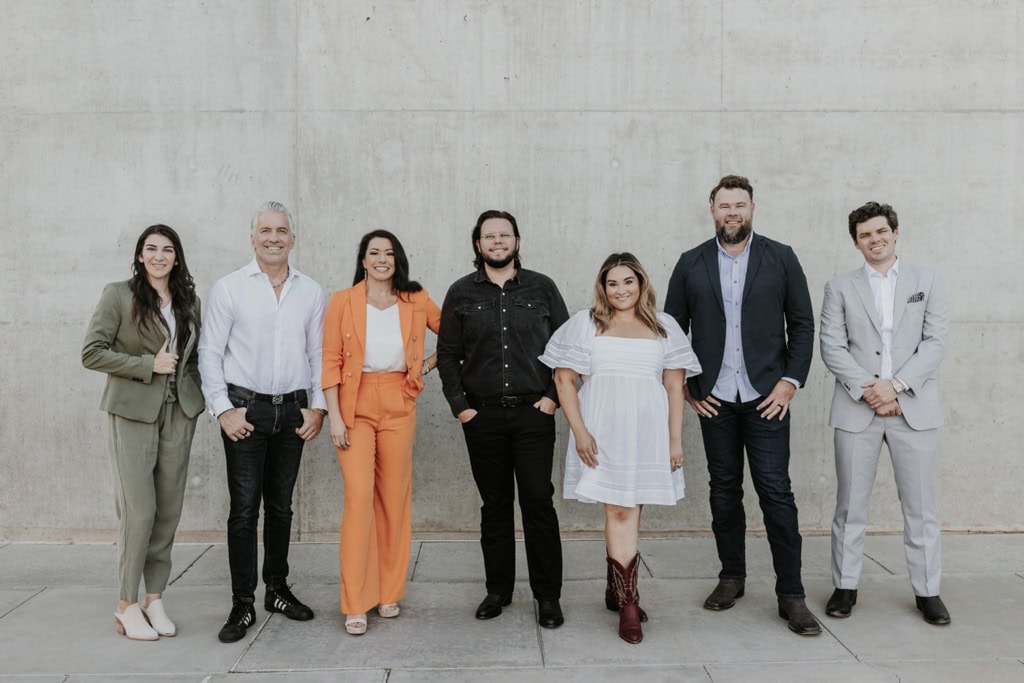
“After a crash, you need a team that answers the phone, explains your options, and fights for every dollar you are owed. That is what we do at The Simon Law Group.”
Over 250 years of combined attorney experience
Phoenix office at 2700 N Central Ave, Suite 320 |
Licensed in Arizona and California
Crashes caused by impaired or drunk drivers
Whiplash, back injuries, and low-speed collision claims
Hit-and-run crashes and unidentified driver claims
Serious injuries from head-on and wrong-way crashes
High-speed crashes on Phoenix freeways and surface streets
Get to a doctor first, even if you feel okay walking away from the scene. Adrenaline masks injuries, and some things like soft tissue damage or internal bleeding don't show symptoms right away. While you're still at the scene, use your phone to photograph everything and swap contact information with any witnesses. File a police report before you leave. Most importantly, do not give a statement to the other driver's insurance company until you've spoken to an attorney.
Zero dollars upfront. Our firm works on contingency, which is a fancy way of saying we only collect a fee if we win money for you. That fee comes from the settlement or verdict. If there's no recovery, there's no bill.
You can. Arizona's comparative negligence system reduces your award by your share of fault but doesn't wipe it out. To put real numbers on it: if the jury assigns you 40% of the blame and your damages total $100,000, your check is $60,000. Plenty of states would give you nothing at that fault level. Arizona isn't one of them.
Clean-cut cases with obvious fault can wrap up in a few months. Anything involving disputed liability, severe injuries, or multiple parties usually takes a year or longer. The biggest variable is often your medical treatment. Settling before you know the full extent of your injuries leaves money on the table.
There are two buckets. Economic damages handle the calculable losses, your medical bills, the paychecks you missed, the property that was destroyed. Non-economic damages address what's harder to quantify, the pain, the anxiety, the activities you can no longer enjoy. If the at-fault party's behavior was extreme, punitive damages may come into play as well.
Two years from the date you were hurt, for most claims. Government-related injuries have a 180-day notice requirement. Minors get an extension until two years past their 18th birthday. But waiting until the deadline approaches is a bad strategy. Evidence deteriorates and witnesses become harder to find with every month that passes.
Our Location
Other Locations
Austin, TX
Torrance, CA
Santa Ana, CA
Seal Beach, CA
Areas We Serve
From our main office in Torrance, The Simon Law Group serves injured clients across Los Angeles County and throughout California, Arizona, and Texas. Our Seal Beach office helps us better serve Orange County, and we also have offices in Phoenix, AZ, and Austin, TX.
About Our Firm
The Simon Law Group was founded 15 years ago by twin brothers and attorneys Robert and Brad Simon to protect the rights of accident victims in California. In the fifteen years since our firm was established, our attorneys have recovered $600+ Million in settlements and verdicts for our clients. Recognized by many major legal organizations, we get results, and we’d be proud to fight for you after your accident or injury.
Follow Us!
Attorney Advertising. This website is a communication by The Simon Law Group, LLP. The attorneys responsible for its content are Robert T. Simon (California State Bar No. 238095) and Brad Simon (California State Bar No. 244369). The firm's principal office is located at 2916 W 164th Street, Torrance, California 90504. The information here is general and is not legal advice, and viewing it or contacting the firm does not create an attorney-client relationship. Prior results do not guarantee a similar outcome.