Primary Location
Seal Beach Personal Injury Lawyers
207 Main St, Seal Beach, CA 90740
Phone: (562) 620-8075
Call us at (855) 855-8910

Table of Contents
ToggleYou ever wonder what happens when an 80,000-pound truck blows a tire at 65 on the 405? Nothing good. The truck swerves. Rubber flies everywhere. Cars behind it have zero time to react. We've watched the aftermath of these crashes play out for our clients, and it's always worse than people expect.
Tire blowouts don't just happen. Somebody dropped the ball. Here's what actually causes them.
Underinflation tops the list. When a tire runs low on air, the sidewalls flex too much. That builds heat. And heat eats rubber from the inside out. NHTSA found that 12 percent of vehicles on American roads have at least one tire running 25 percent below where it should be [1]. Now picture that on a loaded semi rolling down the 405 through Seal Beach. Bad combination.
Overloading is the second biggest cause. California caps trucks at 80,000 pounds. Some companies ignore that to save a trip. More weight means more pressure on tires that are already working hard.
The rest of the usual suspects:
Bottom line? Most blowouts come down to somebody cutting corners.
Seal Beach has a truck problem most people here don't think about. The I-405 corridor carries heavy commercial traffic all day. Add in the Naval Weapons Station, which pushes 230-plus truck and trailer movements through town daily, and you've got a lot of rubber hitting hot pavement.
Freeway blowouts are the scariest. At highway speed, a front tire failure yanks the steering. Drivers overcorrect. The truck crosses lanes. Meanwhile, chunks of tire tread scatter across the road like landmines. Locals call them road gators for a reason.
Seal Beach Blvd at the 405 interchange sees it too. Trucks accelerating onto the freeway, then braking hard in backup traffic. That constant stress cycle is brutal on worn tires. Over on PCH, year-round sun and salt air dry out the rubber faster than most people realize.
Here's the thing about these wrecks. If you're on a motorcycle or in a compact car, you take the worst of it. A flying slab of truck tread will crack your windshield or knock you off your bike. A swerving semi will crush a sedan. The trucker walks away with paperwork. The family in the Civic ends up in the ER.
We handle tire blowout claims across Seal Beach, Long Beach, Huntington Beach, Westminster, Garden Grove, and Cypress.
A sudden rear-tire failure can cause a loaded trailer to rotate out of alignment, and those trailer swing-out crashes frequently involve both the tire manufacturer and the maintenance shop as defendants.
These crashes produce brutal injuries. No way around it. When a loaded truck loses a tire at speed, it can roll, jackknife, or plow straight into traffic. The force involved is enormous.
People hit by the truck itself face crush injuries, traumatic brain damage, and spinal cord trauma. We recovered $1.7 million for a client after a truck lost control and rolled directly onto their vehicle. Injuries like that change everything about a person's life.
But even the debris is dangerous. Big chunks of steel-belted rubber hit other vehicles at 60-plus mph. That causes broken bones, deep cuts, and burns. The steel wire inside truck tires turns shredded rubber into shrapnel.
Pileups happen fast after a blowout. One truck swerving across the 405 can trigger a five or ten-car chain reaction in seconds.
Under California law, you can recover:
If a tire blowout hurt you near Seal Beach, talk to a lawyer before the trucking company starts making evidence disappear.
A blowout rarely ends with the first vehicle — downstream rear-end impacts from drivers who can’t stop in time layer additional injuries onto the original claim.
The first couple hours after one of these wrecks matter way more than people think. What you do right now shapes what happens with your case later.
Pull off the road and dial 911. Tire blowout scenes are messy, with debris across multiple lanes, disabled vehicles, and confused drivers. Don't pick up tire pieces yourself.
Grab your phone and start recording. Shoot the blown tire, the debris trail, the truck's position, damage on every vehicle. Write down the truck's DOT number, the company name on the door, and the driver's information. This stuff disappears fast.
Now here's the part people miss. The tire itself is your case. It's the one piece of physical evidence that proves what went wrong. If you can get to it safely, photograph it from every angle. And don't let the trucking company haul it off to the junkyard before an expert examines it. They will try.
Go to the doctor even if you feel okay. Adrenaline masks a lot. Concussions, internal bleeding, and disc injuries sometimes take a day or two to show up. If you wait, the insurance company will argue you weren't really hurt.
One more thing. California gives you two years to file (CCP 335.1) [2]. Sounds generous until you realize tire blowout cases need forensic testing, federal maintenance records, and expert analysis. Start early.
Tire blowout lawsuits are messier than regular truck crash claims. Multiple parties, technical evidence, and a lot of finger-pointing between the trucking company and the tire manufacturer. Here's how fault usually shakes out.
The trucking company. FMCSA rules (49 CFR 396) require pre-trip tire inspections and maintenance logs [3]. If they ran bald tires, skipped air pressure checks, or ignored wear limits, that's on them. Period.
The tire maker. When the failure comes from a design flaw, a manufacturing defect, or tread that peeled away from the belts, the manufacturer is on the hook. California uses strict liability for defective products. You prove the tire was defective and it caused your injuries. You don't have to prove the company was careless.
We took a defective tire case to verdict and won $7.9 million for a client who broke their neck when a faulty tire blew apart. Forensic analysis of the tire remnants made that case. If a manufacturing defect or design flaw caused your blowout, our product liability lawyers in Seal Beach can hold the tire manufacturer accountable.
The tire shop. Bad mounting, sloppy retreading, wrong tire size. If a service provider touched those tires and did something wrong, they share the blame.
The loader. Overweight cargo stresses tires past their rated limit. If the freight company packed the trailer too heavy, they contributed to the blowout.
Your attorney will go after the blown tire, FMCSA inspection reports, driver logbooks, tire purchase records, and the truck's engine control module data. That black box shows speed and braking right before the blowout happened.
You can't prevent every blowout. But you can dodge most of them. Quick rundown.
Trucking companies that followed these basics wouldn't blow tires nearly as often. When they skip the maintenance and somebody gets hurt, they owe for that.
Our firm has been here before. Multiple times. These are real outcomes from cases our attorneys handled.
Every case is different. Past results do not guarantee a similar outcome.
Our attorneys have handled personal injury cases across California and Arizona. We know how Seal Beach insurance companies operate, and we know how to push back.
That number reflects real results for real families — medical bills paid, lost wages recovered, and futures protected.
You pay nothing upfront. Our fee comes out of your settlement or verdict.
Accidents do not follow business hours. Neither do we. Call (562) 620-8075 any time — nights, weekends, and holidays.
Our Seal Beach team works out of 207 Main St. We know the roads, the courts, and the insurance adjusters you are up against.
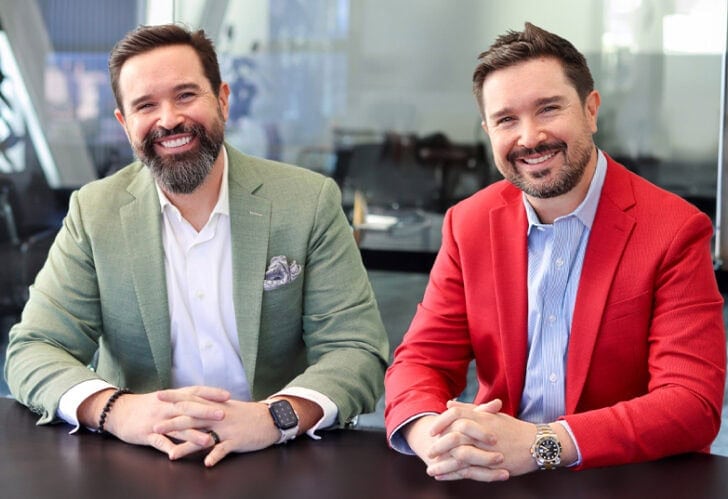
“After a crash, you need a team that answers the phone, explains your options, and fights for every dollar you are owed. That is what we do at The Simon Law Group.”
Over 250 years of combined attorney experience
Seal Beach office at 207 Main St | Licensed in California and Arizona
It depends on why the tire failed. The trucking company is liable if they ignored maintenance. The manufacturer is liable if the tire was defective. The service shop is liable if they botched the installation. And the cargo loader is liable if they overloaded the truck. Usually more than one party shares fault.
You can if the tire had a defect. California applies strict liability to defective products. That means you prove the tire was flawed and it hurt you. You don't need to show the company was negligent.
Drivers say that a lot. It's rarely true. Blowouts come from bald tires, low pressure, overloading, or defective products. The maintenance records and inspection logs tell the real story.
A forensic expert examines the failed tire. Your lawyer pulls the truck's maintenance history, driver inspection reports, and engine computer data. All of that together shows what broke and who's responsible.
Medical bills, lost income, pain and suffering, property damage, and future care costs. Severe cases produce large recoveries. Our results in truck and tire defect cases range from six figures to nearly eight figures.
Our Location
Primary Location
207 Main St, Seal Beach, CA 90740
Phone: (562) 620-8075
Other Locations
Phoenix, AZ
Austin, TX
Torrance, CA
Santa Ana, CA
Areas We Serve
From our main office in Torrance, The Simon Law Group serves injured clients across Los Angeles County and throughout California, Arizona, and Texas. Our Seal Beach office helps us better serve Orange County, and we also have offices in Phoenix, AZ, and Austin, TX.
About Our Firm
The Simon Law Group was founded 15 years ago by twin brothers and attorneys Robert and Brad Simon to protect the rights of accident victims in California. In the fifteen years since our firm was established, our attorneys have recovered $600+ Million in settlements and verdicts for our clients. Recognized by many major legal organizations, we get results, and we’d be proud to fight for you after your accident or injury.
Follow Us!
Attorney Advertising. This website is a communication by The Simon Law Group, LLP. The attorneys responsible for its content are Robert T. Simon (California State Bar No. 238095) and Brad Simon (California State Bar No. 244369). The firm's principal office is located at 2916 W 164th Street, Torrance, California 90504. The information here is general and is not legal advice, and viewing it or contacting the firm does not create an attorney-client relationship. Prior results do not guarantee a similar outcome.