Primary Location
Seal Beach Personal Injury Lawyers
207 Main St, Seal Beach, CA 90740
Phone: (562) 620-8075
Call us at (855) 855-8910

We also represent injured people well beyond Seal Beach. Our California truck accident attorneys handle serious cases across the state.
Table of Contents
ToggleYou just got hit by a truck. Maybe on Seal Beach Blvd near the base, maybe on the 405 interchange. Your hands are shaking and nothing feels real. But what you do in the next 30 minutes matters more than you think. Here are seven steps that protect you:
Most people don't realize how many trucks roll through this small beach town every day. Back in 2010, the Naval Weapons Station switched to truck-based transport. Overnight, that put 230-plus trucks and trailers on Seal Beach Blvd. Add in the rigs coming off the I-405 and the freight haulers from the Port of Long Beach, and Seal Beach has a truck problem most residents never signed up for.
And then there's the math. A fully loaded semi tips the scale at 80,000 pounds. Your car? About 3,500. When those two collide on PCH or at the 405 interchange, the car loses. Every time. The people inside that car end up with injuries that change the rest of their lives.
We handle truck crash cases from this area regularly. The injuries are brutal:
Right now, the intersection at Seal Beach Blvd and Westminster Ave has construction everywhere. Lane shifts, heavy equipment, reduced sight lines. Trucks navigating that mess create even more risk. We recovered $1,700,000 for someone after a truck rolled right over their car at a spot like this. Those injuries took over a year of treatment, and the bills were stacking up fast.
A semi at highway speed can cause spinal cord damage, amputations, and traumatic burns — the kind of injuries that need a catastrophic injury lawyer who understands long-term care and a family’s financial future.
Here's where truck cases get interesting. A regular car wreck? Two drivers, maybe two insurance companies. A truck wreck? You might be looking at five or six parties who all played a role. And each one has their own insurance policy. For you, that's a bigger pool of money to recover from.
The trucks running through Seal Beach don't just have local drivers. Many of them serve the Naval Weapons Station. Others haul freight from the Port of Long Beach. That means out-of-state carriers, third-party loaders, and fleet operators who might be based in Texas or Georgia. All of them can be liable.
On every truck case we take, our team digs into all of these potential defendants:
One case we handled involved a commercial truck collision on the freeway that killed the driver of the other vehicle. We dug in and found three defendants: the carrier, the driver, and a maintenance shop that had signed off on brakes that should have been pulled from service. Three insurance policies. $3,150,000 settlement. That family needed every dollar.
Something that catches most people off guard. The big trucking companies? They have rapid response teams. Within hours of the crash, their people show up at the scene. They take their own photos. They talk to witnesses before you do. They're building a defense while you're still sitting in the ER getting x-rays.
It gets worse. The truck's black box and electronic logging records have a 30-day shelf life. After that, the data gets written over. Nobody warns you about this. If your lawyer doesn't send a preservation letter to the trucking company fast, that evidence is gone for good.
This is the evidence your lawyer needs to lock down fast:
That's why your lawyer sends what's called a spoliation letter within days. It puts the trucking company on notice: destroy anything and you'll answer to a judge. We had a case, pedestrian hit by a semi, where the insurer tried to blame our client. But the black box told a different story. The driver never touched the brake pedal. Not once. That case settled for $2,820,000.
Physical evidence disappears fastest in blown-tire trucking claims, where the failed tire can be on a re-tread pile by the end of the week if no preservation letter goes out.
Truck wrecks come in different shapes, and each one creates a different kind of mess. The type of crash affects who's at fault, what evidence matters, and how bad the injuries get. We've handled all of these in Orange County and LA County cases.
The stretch of PCH through Seal Beach is narrow compared to most commercial corridors. Combine that with 230-plus military transport trucks from the Naval Weapons Station and you have conditions that produce serious multi-vehicle wrecks.
Seal Beach jackknife crashes on the 405 and 22 happen when a trailer swings out of line with the cab — the physics are brutal and the liability almost always reaches past the driver to the motor carrier.
The federal government writes the rulebook for trucking companies, and it's thick. The FMCSA (Federal Motor Carrier Safety Administration) sets strict rules about how long a driver can be on the road, how heavy a truck can be, and what inspections have to happen before every trip [1]. When carriers or drivers ignore those rules, it makes our job easier. Violations equal evidence of negligence.
These are the regulations that come up most in Seal Beach truck accident cases:
Trucks entering Seal Beach from the I-405 and the Port of Long Beach must follow every one of these rules. When they don't, and someone gets hurt, we use those violations to build a stronger case for our clients.
Numbers talk. We've recovered over $600 million for injured clients across California and Arizona. These are real results from real truck and commercial vehicle cases our attorneys handled. No two cases are the same, but these give you a picture of what we fight for:
Wrongful death from a commercial truck collision on the freeway. Multiple defendants including the carrier and maintenance provider.
Pedestrian struck by a semi-truck. Black box data proved the driver failed to brake before impact.
Pedestrian struck by a semi-truck. The carrier's safety record showed prior violations.
A truck lost control and rolled over our client's vehicle, causing multiple fractures and spinal injuries.
Trucking versus auto collision resulting in back and neck injuries requiring long-term treatment.
Auto versus semi-truck collision resulting in a femur fracture and months of rehabilitation.
Every case is different. Past results do not guarantee a similar outcome in your case. These results reflect the dedication of our legal team to fighting for maximum compensation.
You're hurt. Bills are piling up. The phone won't stop ringing with calls from adjusters who pretend to be on your side. Meanwhile, you're trying to figure out if you can even go back to work next month. Fighting an insurance company on top of all that? That's what you hire us for.
California law gives you two years from the crash date to file [3]. Sounds like a lot of time, right? It's really not. Black box data disappears in 30 days. Witnesses move. Memories fade. The sooner we start building your case, the more evidence we lock down.
Seal Beach sits right on the line between Orange County and LA County. That throws a wrinkle into a lot of cases. Which court do you file in? Which county's procedures apply? We deal with this border issue constantly and know exactly how to handle it.
Here's what happens when you hire our team:
Our office is right here at 207 Main St in Seal Beach. Walk in, sit down, and talk to a real person. We're one of just two law firms with an actual physical office in this city. You shouldn't have to drive to downtown LA for a meeting about a crash that happened on Seal Beach Blvd.
Truck cases get the same support our Seal Beach personal injury team brings to every serious file — medical experts, accident reconstructionists, and a litigation budget built to outlast any carrier’s stall tactics.
Truck wrecks cost more to recover from. Period. The surgeries are bigger, the rehab takes longer, and many of our clients can't return to their old jobs. The good news? Federal law forces trucking companies to carry much bigger insurance policies than a regular driver. More coverage means more money available for your case.
Here's a breakdown of what you can go after:
Want to know how bad the lowball game gets? We had a client who broke their femur in a semi-truck collision. The insurer's first offer was embarrassing. We ended up settling for $999,000. That's the gap between what they want to pay and what your case is actually worth.
The trucking company's lawyers will try to pin some blame on you. It's the oldest move in the book, and they run it in almost every case. But here's what California law actually says: you can still recover money even if you were partially at fault. The legal term is "pure comparative negligence," and it means your payout gets reduced by your share of fault, not eliminated.
Quick example. A jury says you were 20% at fault, the trucking company was 80%. Verdict is $1,000,000. You take home $800,000. Still a lot of money. Still enough to cover your medical bills, your lost income, and the pain you went through.
Construction zones at Seal Beach Blvd and Westminster Ave and congested PCH merges often produce disputed-fault collisions with commercial trucks. The trucking company's lawyers will try to shift blame onto you. That's their playbook. We counter it with evidence. Black box data. Traffic camera footage. Witness statements. Expert reconstruction.
Key California rules for your truck accident case:
We'll be blunt with you. The insurance adjuster who calls you after a truck crash is not your friend. They're polite. They sound concerned. And their entire job is to pay you as little as the company can get away with.
Here's the thing about trucking insurance, though. Federal law says companies with trucks over 10,000 pounds must carry at least $750,000 in coverage. Hazmat carriers? $5,000,000 minimum. Those policies are big, and the insurance companies will fight tooth and nail to keep that money in their pocket instead of yours.
Watch out for these tactics:
Bottom line: do not sign anything without having your lawyer read it first. We represented a pedestrian who got hit by a semi. The carrier's insurer came in with $175,000. We told them that wasn't going to work. Eventually settled for $2,000,000. That's the difference between handling it yourself and having an attorney in your corner.
Sources:
[1] Federal Motor Carrier Safety Administration - Hours of Service Regulations
[2] National Highway Traffic Safety Administration - Traffic Safety Data & Analysis
[3] California Courts Self-Help Guide - Civil Lawsuit Resources
Our attorneys have handled personal injury cases across California and Arizona. We know how Seal Beach insurance companies operate, and we know how to push back.
That number reflects real results for real families — medical bills paid, lost wages recovered, and futures protected.
You pay nothing upfront. Our fee comes out of your settlement or verdict.
Accidents do not follow business hours. Neither do we. Call (562) 620-8075 any time — nights, weekends, and holidays.
Our Seal Beach team works out of 207 Main St. We know the roads, the courts, and the insurance adjusters you are up against.
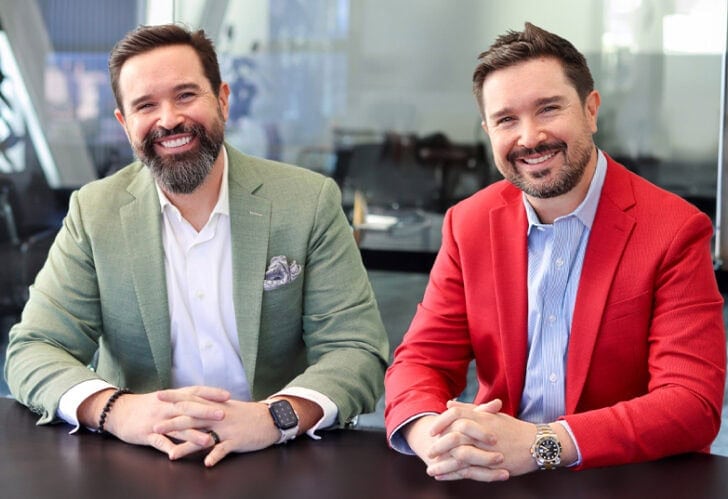
“After a crash, you need a team that answers the phone, explains your options, and fights for every dollar you are owed. That is what we do at The Simon Law Group.”
Over 250 years of combined attorney experience
Seal Beach office at 207 Main St | Licensed in California and Arizona
Two years from the crash date under California law. Wrongful death claims also have a two-year deadline from the date of death. Don't wait until the last minute. Evidence disappears fast in truck cases, and your lawyer needs time to preserve black box data and ELD records.
Yes. California uses pure comparative negligence. Your award is reduced by your fault percentage, but you still recover. If you're 15% at fault and the trucker is 85% at fault, you receive 85% of the total damages.
Most commercial trucks record speed, braking force, and steering inputs. This data shows exactly what the driver did in the seconds before the crash. Your lawyer demands this evidence before the trucking company overwrites it. There's a 30-day window before that data can be erased.
The Naval Weapons Station sends 230-plus trucks daily down Seal Beach Blvd. The I-405 carries heavy commercial traffic through the city. Construction zones at Westminster Ave increase collision risk. And PCH runs through the heart of town with limited space for large rigs.
No. Anything you say can be used to reduce your claim. Adjusters are trained to get you on a recorded line and pull statements they can twist. Let your truck accident lawyer handle every conversation with the insurer.
Health insurance or MedPay coverage can cover treatment while your case is open. Your settlement reimburses those costs later. Some medical providers also work on a lien basis, meaning they wait for your case to resolve before collecting payment.
Yes. First offers are almost always below the real value of your injuries. We've seen initial offers at 10% of what the case was actually worth. A lawyer reviews the full cost of your medical care, lost income, and pain before you accept anything.
Military transport vehicles from the Naval Weapons Station, semi-trucks from the Port of Long Beach, delivery trucks on PCH, and commercial rigs on the I-405 all contribute to crashes in this area. Each type of truck has different federal safety requirements.
Our Location
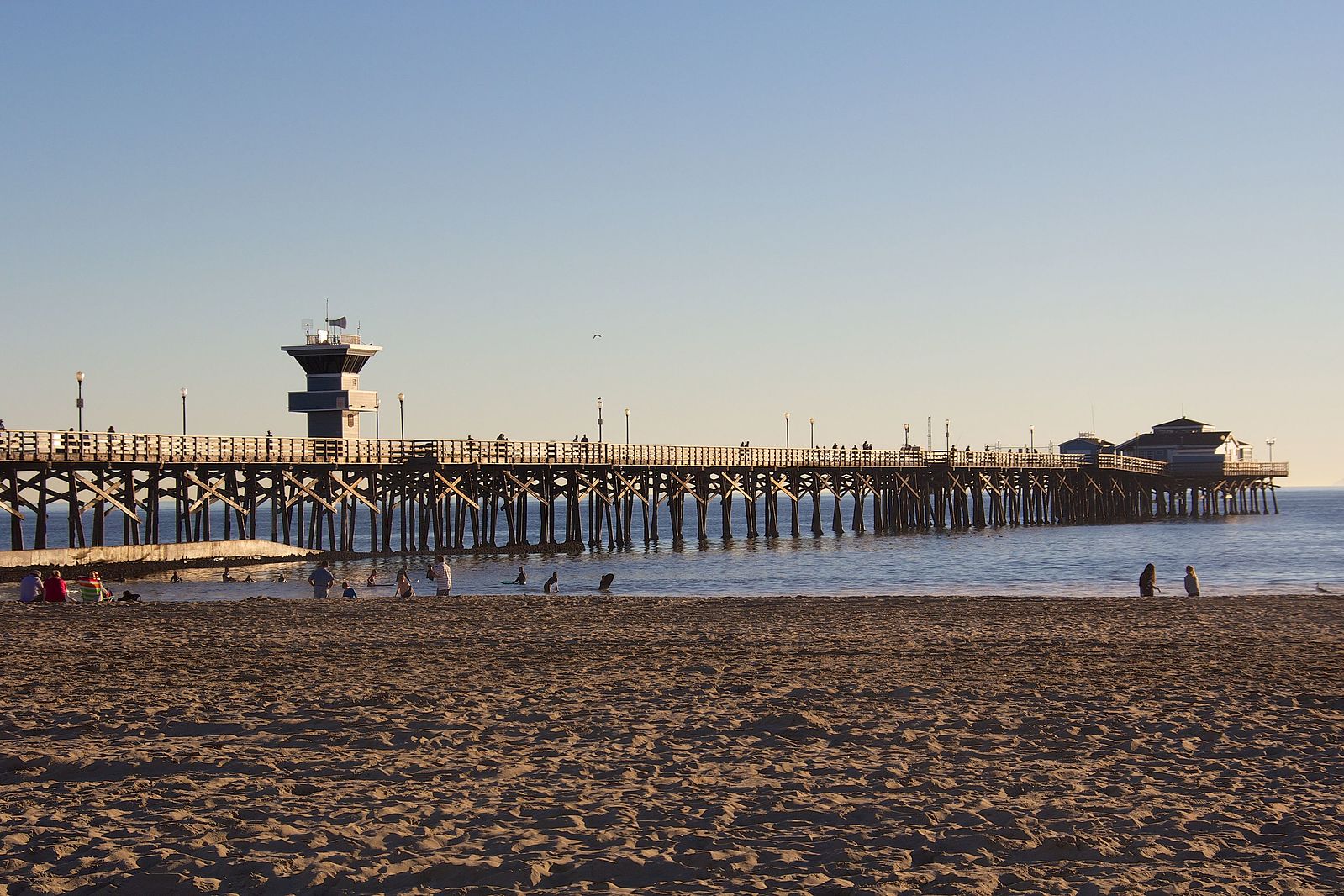
Primary Location
207 Main St, Seal Beach, CA 90740
Phone: (562) 620-8075
Other Locations
Phoenix, AZ
Austin, TX
Torrance, CA
Santa Ana, CA
Areas We Serve
From our main office in Torrance, The Simon Law Group serves injured clients across Los Angeles County and throughout California, Arizona, and Texas. Our Seal Beach office helps us better serve Orange County, and we also have offices in Phoenix, AZ, and Austin, TX.
About Our Firm
The Simon Law Group was founded 15 years ago by twin brothers and attorneys Robert and Brad Simon to protect the rights of accident victims in California. In the fifteen years since our firm was established, our attorneys have recovered $600+ Million in settlements and verdicts for our clients. Recognized by many major legal organizations, we get results, and we’d be proud to fight for you after your accident or injury.
Follow Us!
Attorney Advertising. This website is a communication by The Simon Law Group, LLP. The attorneys responsible for its content are Robert T. Simon (California State Bar No. 238095) and Brad Simon (California State Bar No. 244369). The firm's principal office is located at 2916 W 164th Street, Torrance, California 90504. The information here is general and is not legal advice, and viewing it or contacting the firm does not create an attorney-client relationship. Prior results do not guarantee a similar outcome.