
Primary Location
Phoenix Personal Injury Lawyers
2700 N Central Ave Suite 320, Phoenix, AZ 85004, United States
Phone: (602) 905-0124
Call us at (855) 855-8910

Table of Contents
ToggleNot every fender bender needs an attorney. But some crashes create problems you can't fix with a phone call to your insurance company.
You left the scene with whiplash. Or broken bones. Or back pain that showed up two days later and won't quit. Now you're looking at medical bills that stack up faster than you expected. A sore neck today turns into six months of physical therapy. That changes everything about your claim.
What else should make you pick up the phone?
The other driver says it wasn't their fault. Or they've got no insurance. Maybe bare-minimum coverage that won't come close to covering your bills. You missed work, and the paychecks stopped, but the bills didn't. And the insurance adjuster? They're already calling, pushing you to take a quick settlement before you even know what your injuries will cost.
High-speed collisions on I-10 near the Broadway Curve and Loop 202 are some of the worst crashes in Phoenix. We're talking serious injuries, four or five vehicles, disputed fault from every direction. If your wreck happened on one of those corridors, talk to a lawyer before you talk to an adjuster. Big difference.
Phoenix roads don't take a day off. Freeway commuters, construction zones, tourist traffic - it all mixes together into conditions where crashes happen every single day.
Distracted driving tops the list, and it's not close. Arizona saw over 8,200 distraction-related crashes in a single year [1]. Think about that. A driver glances at a text for two seconds at 60 mph. In that time, their car has traveled more than half a football field completely blind.
Speeding sits right behind. People push 80-plus on the Loop 101 and I-17 during off-peak hours. At those speeds, your stopping distance doubles. The force of impact? Triples.
A few other causes we see constantly:
Here's why this matters for your case: each cause points to a different type of negligence. And when multiple causes contributed to one crash, that usually means more liable parties. More liable parties means more sources of compensation.
What you do in the first 24 hours can make or break your case. We've said this to hundreds of clients, and it's true every time.
First, get safe and call 911. Move off the road if you can. A police response creates an official record. You want that record.
Then document everything. Whip out your phone. Photos of damage, skid marks, traffic signals, the other car's plate. Shoot video if you can. You think you'll remember the details. You won't.
Exchange info with the other driver. Name, insurance, phone number. But keep your mouth shut beyond that. Don't say "I'm sorry." Don't say "I'm fine." Both of those statements will show up in an insurance file later, and they'll be used against you.
Get to a doctor within 24 hours. Even if you feel okay. Especially if you feel okay. Adrenaline is powerful stuff. Whiplash and concussion symptoms love to show up the next morning. And a gap in treatment? That's the first thing an adjuster grabs onto when they want to deny your claim.
Report the crash. Arizona law says you've got to report any accident involving injury or real property damage. File with Phoenix PD or the Maricopa County Sheriff depending on where it happened.
And one more thing we tell every client: do not give a recorded statement to any insurance company before talking to a lawyer. That single step matters more than everything else on this list combined.
Numbers don't lie. Arizona logged over 121,000 vehicle crashes in 2024 alone [1]. Maricopa County - where Phoenix sits - carries the biggest share of that total by far.
Some facts worth knowing:
Phoenix lands among the most dangerous metro areas for drivers in the country, year after year. The I-10 and I-17 Stack interchange is basically a crash factory. Merging lanes, high speeds, and drivers who don't know the interchange create multi-vehicle pileups regularly. Monsoon season runs June through September. Dust storms drop freeway visibility to nothing. And here's one that catches people off guard: Arizona's minimum auto insurance is just $25,000 per person [2]. After a serious crash on the freeway, that might cover one ER visit and a couple follow-ups. Maybe.
Those aren't just statistics. Every single one of those 121,000 crashes involved a real person who woke up expecting a normal day. If you're reading this after a collision, you're not alone. And you've got options.
Arizona runs on pure comparative negligence [3]. What does that mean for you? Even if you were partly at fault, you can still recover money.
Here's the math. Let's say you're found 20% responsible for a crash. Your total damages come to $100,000. Under Arizona law, you'd still collect $80,000. Your payout gets reduced by your share of the fault. But your case doesn't get tossed.
A lot of states won't let you recover anything if you're 50% or more at fault. Arizona doesn't work that way. No cutoff. No threshold. You could be 99% at fault and still technically recover 1%.
So why does this matter here in Phoenix? Think about the multi-vehicle wrecks at the I-17 and I-10 Stack interchange. One driver was speeding. Another changed lanes without checking. A third was tailgating. Each person's fault percentage gets sorted out during the claim process. It's messy, but the system handles it.
What you need to watch for: insurance adjusters will fight to shift fault onto you. Every percentage point they pin on you is money they keep. That's their whole playbook. Having a lawyer who actually understands Arizona's fault rules changes the math in your favor. Our Phoenix personal injury team handles these comparative negligence arguments daily.
Understanding that Arizona allows shared fault is step one. Step two? Actually proving who caused the crash. That's where cases are won or lost.
It boils down to negligence. Three questions matter: Did the other driver owe you a duty of care? Did they blow it? And did that failure cause your injuries? Yes to all three, and they're on the hook.
What kind of evidence actually moves the needle?
Police reports. Officers write down what they saw, note violations, and sometimes point fingers at who caused it. Not the final answer, but adjusters and juries pay attention.
Photos and video. Dashcam footage is gold. Intersection cameras too. Your own phone photos from the scene fill in the gaps.
Witnesses. People who saw the crash happen. Passengers, pedestrians, other drivers. Their statements back up your version of events.
Phone records. If the other driver was texting, those records prove it. Distraction is negligence, period.
Accident reconstruction experts. For the big cases, these folks recreate the crash using vehicle damage patterns, road conditions, and physics. They can pinpoint exactly what happened and who caused it.
Phoenix PD's Vehicular Crimes Unit handles the investigation on serious collisions and every traffic fatality in the city. If your crash pulled that kind of response, the investigation file becomes a cornerstone of your case.
Something most people don't realize: minor vehicle damage does not mean minor injuries. We secured $850,000 in a case where the insurance company swore the property damage was too small to cause real harm. The spine injury told a different story.
A car crash costs you more than a trip to the body shop. When we build a claim, we go after everything the accident took from you. All of it.
Economic damages are the ones with receipts. ER visits and hospital stays. Surgeries. Physical therapy sessions. Prescriptions. The wages you lost while you couldn't work. Future medical care if your injuries need ongoing treatment. Even your rental car and property damage.
Non-economic damages are harder to measure but just as real. Pain and suffering. The stress, the anxiety, the sleepless nights. Loss of enjoyment - the things you used to do that you can't anymore. Scarring or disfigurement that changes how you see yourself.
How do Arizona courts put a dollar figure on pain? They often use what's called the multiplier method. Take your economic damages and multiply by a factor between 1.5 and 5, depending on how bad your injuries are. So $50,000 in medical bills with a 3x multiplier puts pain and suffering at $150,000.
One thing that's specific to Phoenix: a lot of accident victims commute from Mesa, Chandler, or Gilbert. Long drives. If you can't get behind the wheel, those lost wages pile up every week. Your claim should account for every dollar.
Let's be direct. Insurance companies are not your friend. Not even your own. Their adjusters have one job: pay you as little as possible. And they're trained to do it well.
Rule number one: never give a recorded statement without a lawyer present. The adjuster asks you to describe what happened "in your own words." Sounds harmless. It's not. A casual "I'm feeling better" gets written down as proof your injuries aren't that bad.
The first settlement offer will be low. That's not a guess - it's a guarantee. First offers exist to close your file fast, before you figure out what your claim is really worth.
Some favorite adjuster moves to watch for:
Arizona requires drivers to carry at least $25,000 per person and $50,000 per accident in liability coverage [2]. On a serious freeway wreck, that's nothing. One ER visit. A couple follow-ups. Gone. When the at-fault driver carries minimum coverage, your own uninsured or underinsured motorist policy becomes your lifeline. A lawyer finds every dollar available.
People ask us all the time: what do you actually do? Fair question. Here's the honest answer.
We investigate the crash ourselves. Police report, surveillance footage, witness interviews - we gather it all before evidence vanishes. Skid marks don't last. Dashcam footage gets written over. Speed matters.
We quarterback the medical side. Connecting you with doctors who know how to document injuries in a way that ties everything back to the collision. Clean documentation makes your claim much harder for the other side to attack.
The insurance company? We handle them entirely. Every phone call. Every demand letter. Every lowball offer gets countered. You stop getting calls while you're trying to heal. That alone is worth it.
We run the numbers on your full damages. Today's bills are just the start. We factor in future treatment, lost earning capacity, and the pain and suffering that insurance companies "forget" to include in their first offer.
And if the case needs to go to trial, we go. The truth is, cases settle for the most money when the insurance company knows the lawyer across the table will actually show up in court. Our Phoenix truck crash attorneys and car accident lawyers have that reputation. Every demand we send has courtroom experience behind it.
We've recovered over $600 million for our clients across the firm. Over 250 years of combined legal experience. That's not a tagline. That's what insurance companies see when they open your file.
We can talk about fighting for our clients all day. But the results tell the real story. Here are actual outcomes from car accident cases our attorneys have handled:
Every case is different. Past results do not guarantee a similar outcome.
Arizona law gives you two years from the accident date to file a personal injury claim [4]. That's it. Miss the deadline and you lose the right to recover a single dollar. The court won't make exceptions because you didn't know.
Two years feels like a long runway. It's not. Here's what chews through that time:
Months of medical treatment before you even know the full extent of your injuries. Waiting to hit maximum medical improvement so your lawyer can calculate real damages. Negotiations with the insurance company that drag on for weeks or months at a time. And if the case goes to litigation? Discovery, depositions, and scheduling eat up the rest.
Meanwhile, evidence is disappearing. Dashcam clips get overwritten. Witness memories get fuzzy. Monsoon rains wash skid marks off the asphalt. Start early. Every week you wait weakens your position.
Here's something that trips people up in Phoenix: the police department and the Maricopa County Sheriff handle accident reports through completely different systems. Where your crash happened determines which agency has the report and how fast you can get it. A motorcycle wreck lawyer in Phoenix or a car accident attorney who knows the local process saves you time and headaches while you focus on recovering.
And yes, you can file a claim without a police report. But having one creates an official record that carries weight with insurance companies and in a courtroom.
Our attorneys have handled personal injury cases across Arizona and California. We know how Phoenix insurance companies operate, and we know how to push back.
That number reflects real results for real families — medical bills paid, lost wages recovered, and futures protected.
You pay nothing upfront. Our fee comes out of your settlement or verdict. If we do not win your case, you owe us nothing.
Accidents do not follow business hours. Neither do we. Call (602) 905-0124 any time — nights, weekends, and holidays.
Our Phoenix team works out of 2700 N Central Ave, Suite 320. We know the roads, the courts, and the insurance adjusters you are up against.
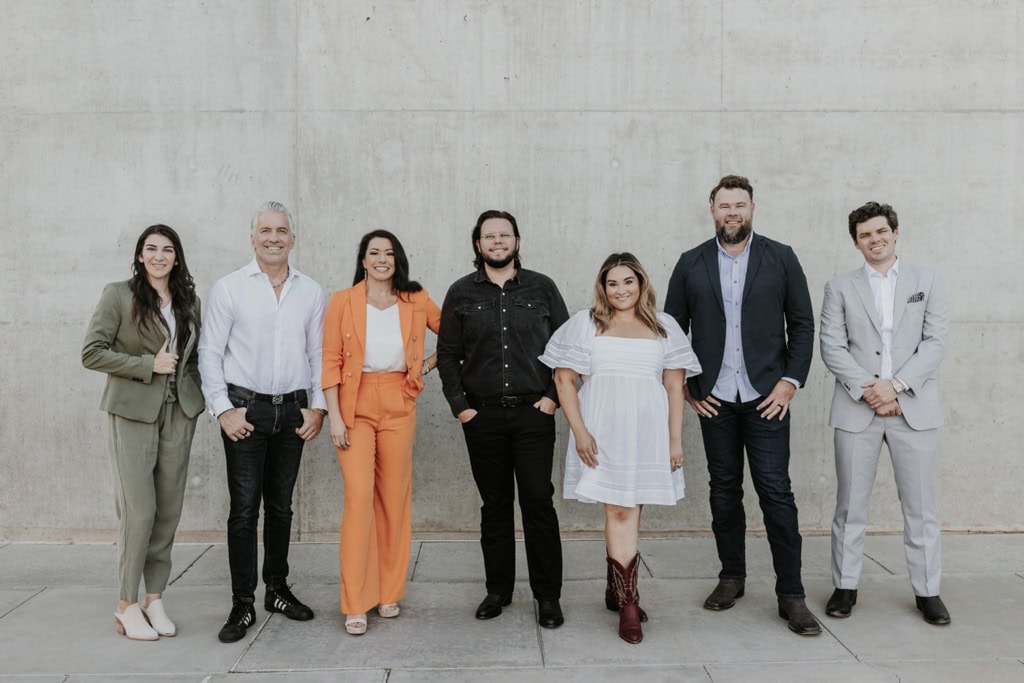
“After a crash, you need a team that answers the phone, explains your options, and fights for every dollar you are owed. That is what we do at The Simon Law Group.”
Over 250 years of combined attorney experience
Phoenix office at 2700 N Central Ave, Suite 320 |
Licensed in Arizona and California
When a drunk or impaired driver causes a crash in Phoenix, you may be entitled to punitive damages on top of your regular compensation. Arizona puts no cap on punitive awards. We also investigate dram shop claims against bars and restaurants that overserved the driver. Learn more about DUI accident claims.
Got rear-ended on the I-10 or Loop 101? Most people assume the driver in back is always at fault. Not true. If the front driver was brake-checking you, cut into your lane, or had busted brake lights, the blame flips. We dig into what really happened and fight the insurance company's version. Learn more about rear-end collision claims.
The driver took off. Now what? Your own uninsured motorist policy is the first place we look. Problem is, Arizona lets drivers waive that coverage, and a lot of people do without realizing it. We track down every policy and payment source available to you, whether police catch the driver or not. Learn more about hit-and-run accident claims.
Two percent of crashes, ten percent of deaths. That math tells you everything about head-on collisions. Wrong-way drivers on I-17 and I-10 are a growing problem here. Arizona counted 1,740 wrong-way incidents last year. The injuries are severe, the medical bills are massive, and there's usually more than one party who owes you money. Learn more about head-on collision claims.
Two years from the date of the crash. That's Arizona's statute of limitations for personal injury cases. There are narrow exceptions for claims involving minors or government vehicles, but don't bank on them. Start early. Witnesses become harder to find, evidence harder to collect, and memories harder to trust as time passes.
You can still recover money. Arizona uses pure comparative negligence, which means your damages get reduced by your fault percentage. Found 30% at fault? You collect 70% of your damages. No cutoff, no minimum. Even mostly-at-fault drivers can recover something under Arizona law.
Not technically. There's no law requiring one. But a police report creates an official crash record, and that record matters when you're dealing with insurance companies or presenting your case in court. If officers came to the scene, get a copy from Phoenix PD or the Maricopa County Sheriff's office.
Short answer: your own insurance pays first. Health insurance, auto med-pay, whatever you've got covers the initial bills. Then the at-fault driver's insurance reimburses you through your injury claim. No health insurance? Your attorney can connect you with doctors who work on a lien basis. They treat you now and get paid when the case settles.
Your uninsured motorist coverage steps in. If your own auto policy includes UM or UIM coverage, it picks up where the other driver's nonexistent policy should have been. There are also other paths to recovery. If the driver was borrowing someone else's car, the vehicle owner's policy might apply. Our pedestrian accident representation in Phoenix team handles uninsured claims across every accident type.
Anywhere from 6 to 18 months for most cases. The timeline shifts based on how serious the injuries are, how long treatment takes, and whether the other side is fighting on liability. Cases with surgery or disputed fault stretch longer. We don't rush settlements to close files. We wait until we know exactly what your case is worth, then we push for every dollar of it.
Our Location
Other Locations
Austin, TX
Torrance, CA
Santa Ana, CA
Seal Beach, CA
Areas We Serve
From our main office in Torrance, The Simon Law Group serves injured clients across Los Angeles County and throughout California, Arizona, and Texas. Our Seal Beach office helps us better serve Orange County, and we also have offices in Phoenix, AZ, and Austin, TX.
About Our Firm
The Simon Law Group was founded 15 years ago by twin brothers and attorneys Robert and Brad Simon to protect the rights of accident victims in California. In the fifteen years since our firm was established, our attorneys have recovered $600+ Million in settlements and verdicts for our clients. Recognized by many major legal organizations, we get results, and we’d be proud to fight for you after your accident or injury.
Follow Us!
Attorney Advertising. This website is a communication by The Simon Law Group, LLP. The attorneys responsible for its content are Robert T. Simon (California State Bar No. 238095) and Brad Simon (California State Bar No. 244369). The firm's principal office is located at 2916 W 164th Street, Torrance, California 90504. The information here is general and is not legal advice, and viewing it or contacting the firm does not create an attorney-client relationship. Prior results do not guarantee a similar outcome.