




Primary Location
Torrance Personal Injury Lawyers
2916 W 164th St Second Floor, Torrance, CA 90504
Phone: (424) 622-0812
Call us at (855) 855-8910

Hurt in a motorcycle crash anywhere in California? The Simon Law Group represents injured riders and their families across the state. Free case review. No fees or costs unless we win.
A member of our intake team will reach out shortly. To speak with someone now, call (424) 622-0812.
A motorcycle case is not a car case with two fewer wheels. Insurers come in assuming the rider was reckless, and they fight harder to pay less. The Simon Law Group is a statewide trial firm that has recovered hundreds of millions of dollars for injured Californians, and we take serious motorcycle cases anywhere in the state, not just near one office. Our attorneys recently secured an $845,000 jury verdict for a rider in a left-turn collision where the other side disputed fault.
Every case is different. Past results do not guarantee a similar outcome.
Most California motorcycle crashes come from driver error, not rider error. The classic one is a driver turning left across a rider’s path. Drivers also change lanes into riders they never checked for, follow too closely, or open a door into a lane. Speeding and impaired driving make all of it worse.
California adds its own risk factors. We ride year round, so there are more bikes on the road more months of the year. Heavy traffic on the I-405, the I-5, and the I-10 puts riders in tight spaces with distracted drivers. Canyon and coast routes like the PCH and the Angeles Crest draw weekend riders into blind curves.
The cost is real. California lost 583 motorcyclists in 2023, according to state and federal traffic data [4]. That was down about 10 percent from the year before, but riders still make up roughly 14 percent of everyone killed on California roads. Knowing the common crash patterns helps prove what really happened, and who is responsible.
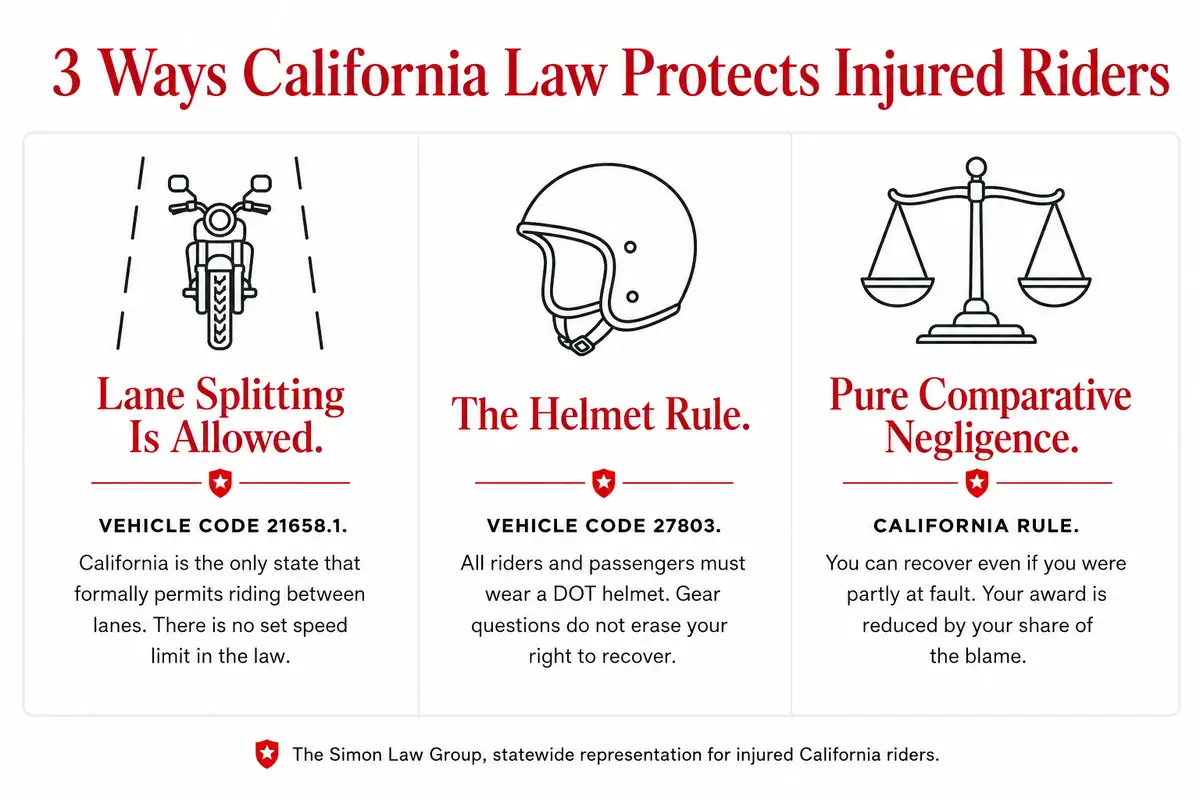
California law gives injured riders three real advantages. Lane splitting is allowed here. Not wearing a perfect set of gear does not end your claim. And you can recover money even if you were partly at fault.
California was the first state to formally recognize lane splitting, and its law is still the most permissive in the country. Riders here can move between lanes of slow-moving as well as stopped traffic, with no speed cap written into the law, under Vehicle Code 21658.1 [1]. Several other states, including Utah, Arizona, Montana, and Colorado, have since allowed a narrower practice called lane filtering, which is limited to stopped traffic at low speed. A rider still has to ride safely, and the California Highway Patrol publishes safety tips for doing it [2]. When a driver blocks, swerves at, or doors a splitting rider, that driver can be on the hook.
California requires every rider and passenger to wear a DOT-approved helmet under Vehicle Code 27803 [3]. If you were hurt while wearing less than full gear, the other driver’s insurer will try to use it against you. They can argue it, but it does not erase your right to recover.
You can recover even if you were mostly at fault, with your award reduced by your share of the blame. So a rider found 30 percent at fault still collects 70 percent of the damages. That matters, because insurers love to pin blame on the rider. Our attorneys won an $845,000 verdict in a disputed-fault left-turn case, which shows a fault fight is not the end of the road.
There is no honest “average” settlement, because no two crashes are the same. Value comes from the harm you suffered, who was at fault, and how much insurance coverage exists. Serious motorcycle injuries push value up, because riders get hurt worse than people in cars.
A full claim usually covers several types of loss:
The hidden problem is coverage. California requires drivers to carry only $30,000 in bodily injury coverage per person, raised from $15,000 on January 1, 2025. That still barely touches a single surgery. When the at-fault driver has too little insurance, we look at your own uninsured and underinsured motorist coverage, the other driver’s umbrella policy, and any commercial policy in play. In one case our attorneys pushed past those limits and secured double the policy money for a rider with multiple fractures, even though he had prior crashes and a record.
The steps you take early can decide your case later. Here is what we tell riders to do at the scene and after.
Time is the other risk. In California you generally have two years from the crash to file an injury lawsuit. If a city bus, a government vehicle, or a public road defect played a role, you may have just six months to file a claim notice. Those clocks are shorter than people expect, so talk to a lawyer early. You can start with a free case review.
Some motorcycle cases need a different game plan. When the at-fault driver runs or has no insurance, your own uninsured motorist coverage can step in and pay for your injuries. That coverage is often the difference between a real recovery and nothing.
Passengers have rights too. A hurt passenger can usually claim against the at-fault driver, and sometimes against the rider’s policy as well. We sort out which policies apply so the passenger is not left out.
The hardest cases are the fatal ones. When a family loses a rider, a wrongful death claim can cover funeral costs, lost income, and the loss of that person in the family’s life. Our attorneys secured a $5 million settlement for the family of a 24-year-old rider who was killed and left dependents behind. No amount fixes that loss. The right result can protect the people left behind.
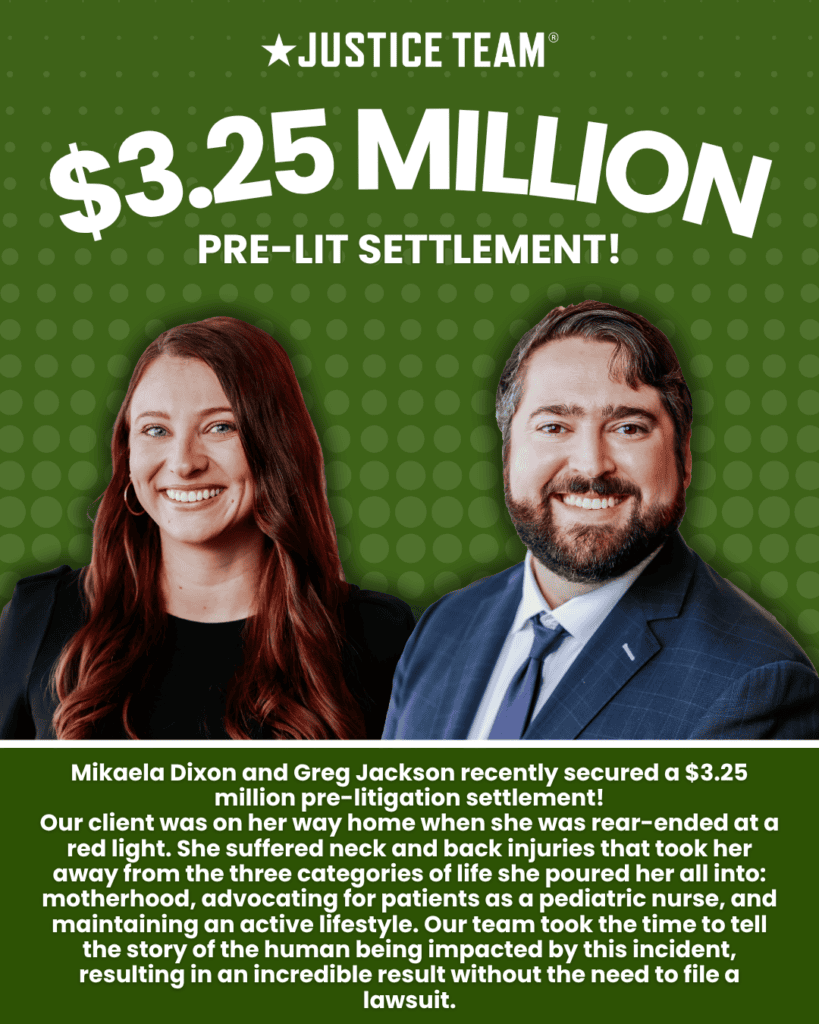
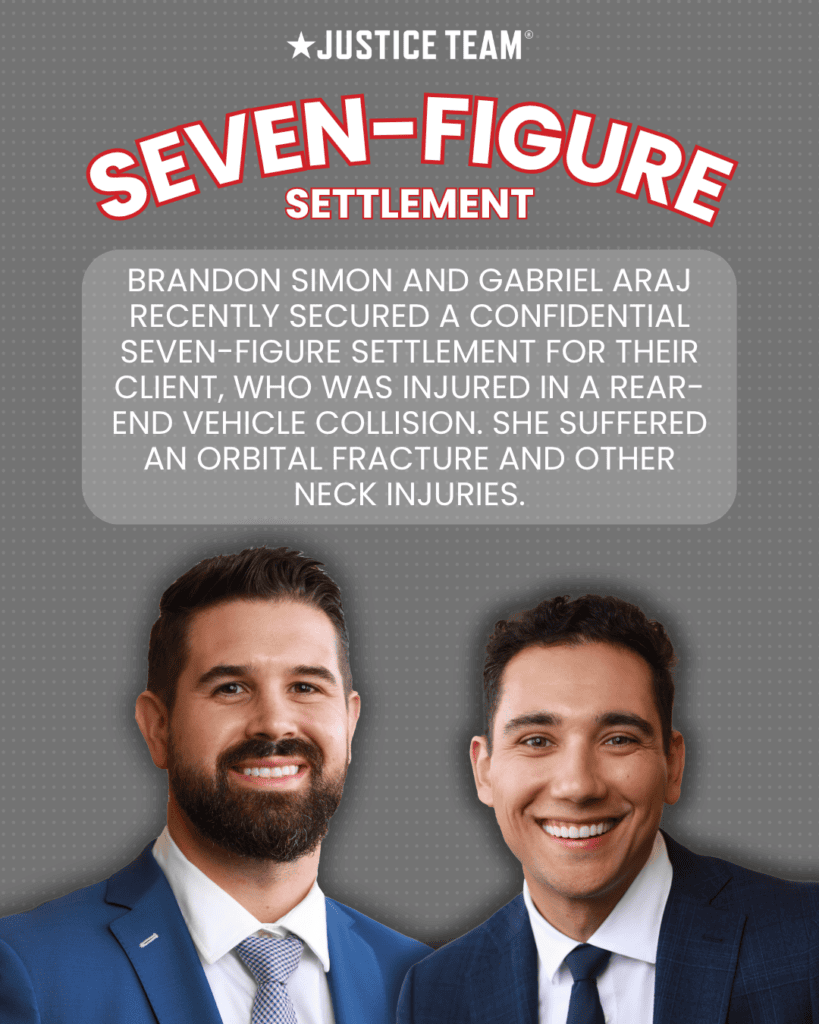
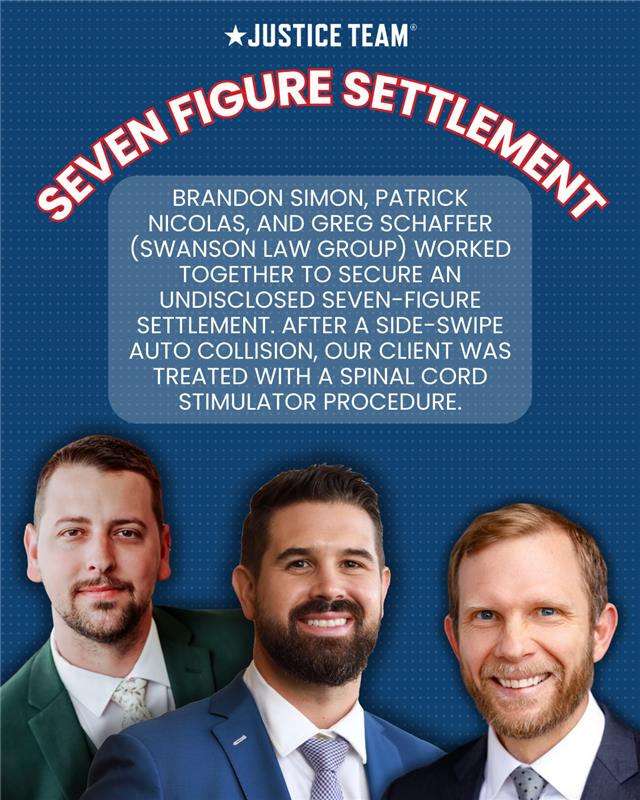
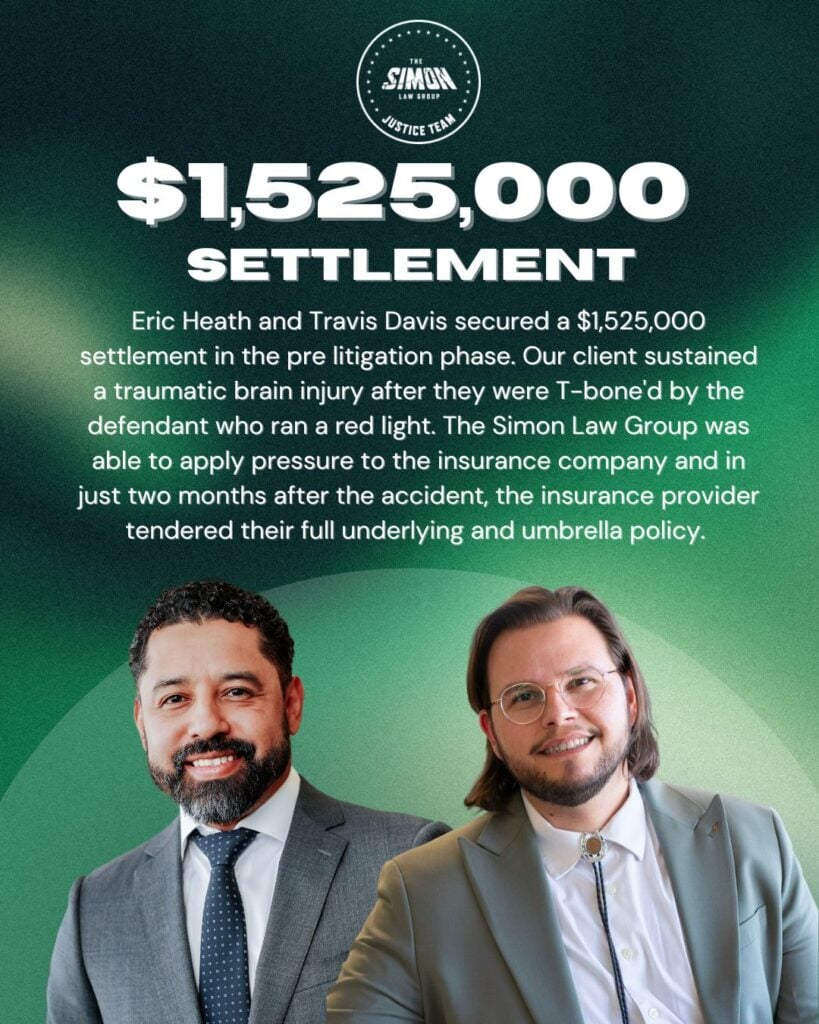
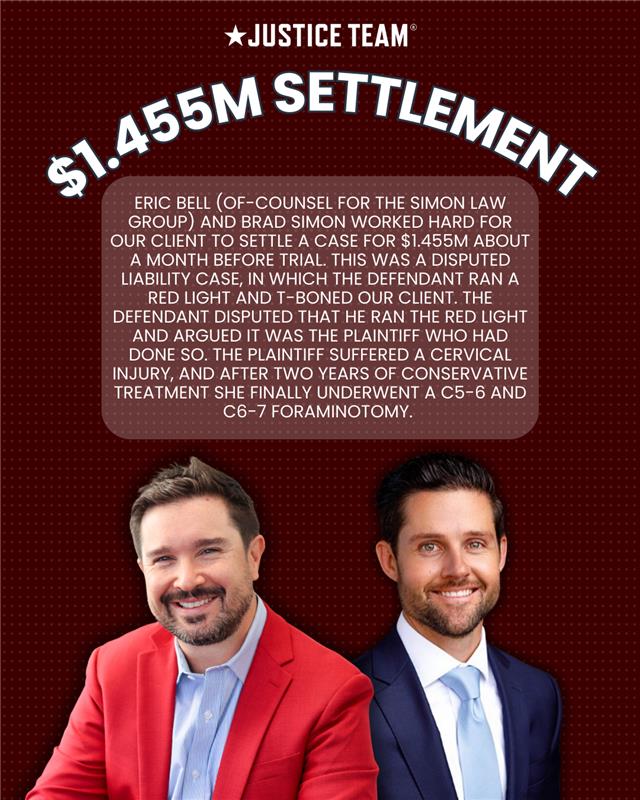
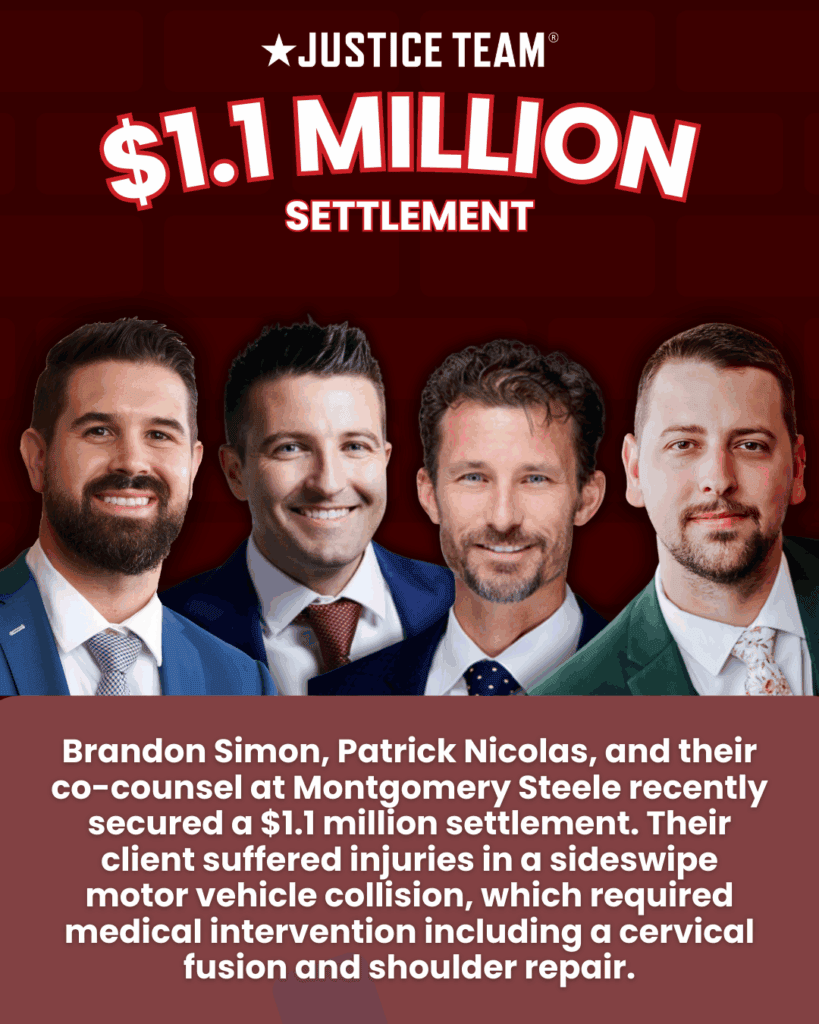
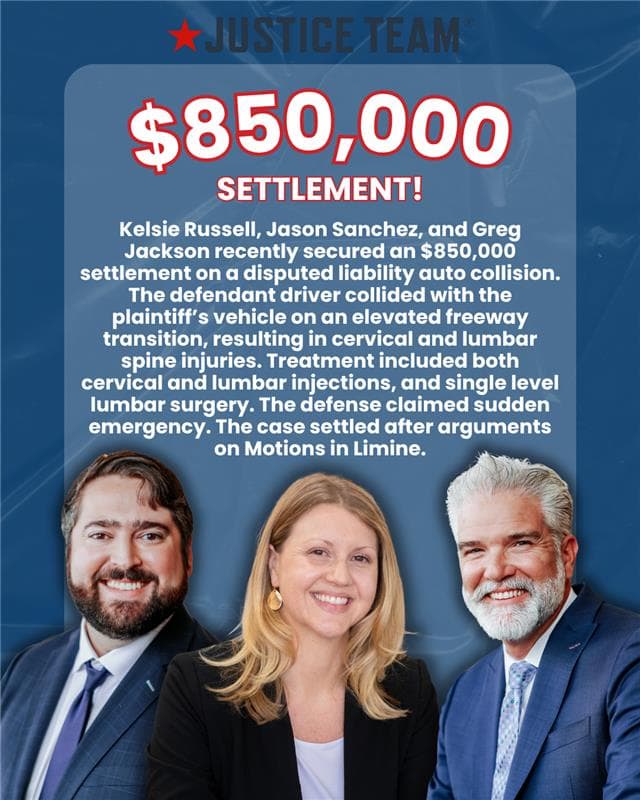
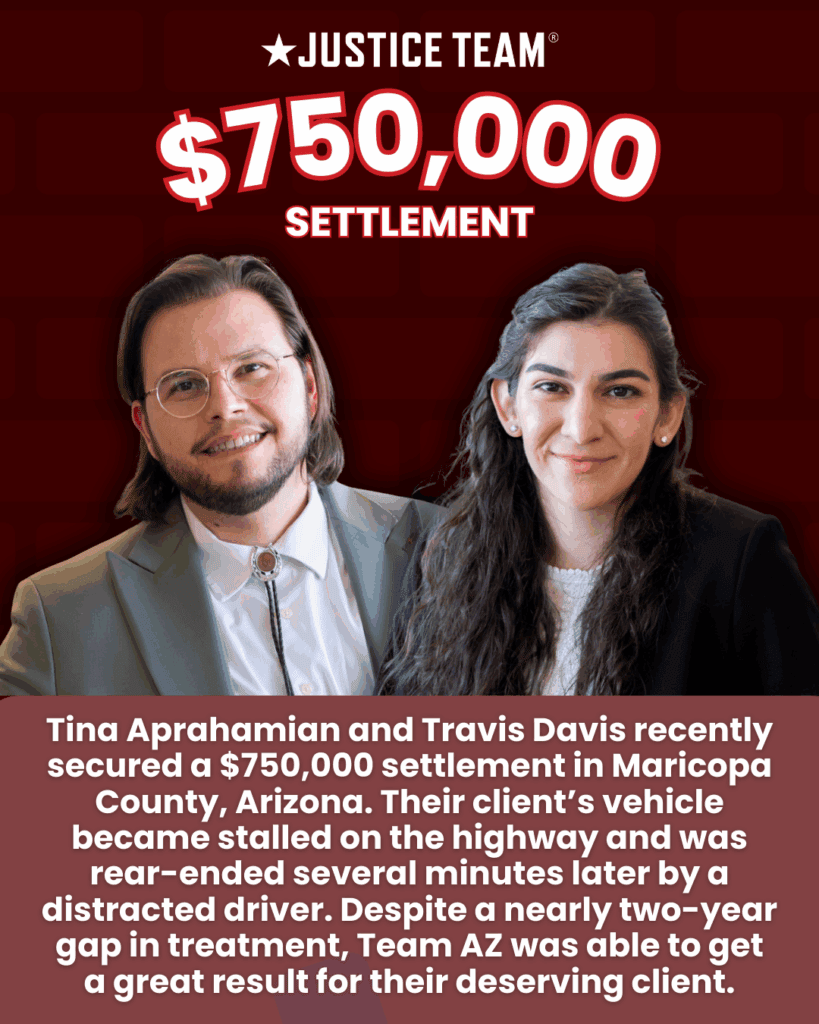
Prior results do not guarantee a similar outcome.
We treat clients like family, we answer the phone day or night, and you work with real attorneys, not just staff. Our firm was built after a drunk driver hurt a member of our own family, and a good lawyer helped that person rebuild. That is still why we do this.
The firm was founded by brothers Robert and Brad Simon. Robert, our founding trial partner, is admitted in California and Arizona. He is a multiple-time Trial Lawyer of the Year voted by his peers, a member of the American Board of Trial Advocates, and Pepperdine School of Law’s Alumnus of the Year. He also serves on the board of Consumer Attorneys of California. Brad Simon, our co-founder, has been named to Super Lawyers every year from 2014 to 2023 and is admitted before the United States Supreme Court. When a case has to be tried, that trial reputation moves the settlement number.
Results we have achieved for riders include:
We help riders across the state, with offices in Torrance, Santa Ana, and Seal Beach. You can reach a local team through our Torrance motorcycle accident lawyer, Santa Ana motorcycle accident lawyer, Seal Beach motorcycle accident lawyer, and Venice motorcycle accident lawyer pages, and our Los Angeles motorcycle accident lawyer hub for riders anywhere in the LA metro. Wherever you ride, your case gets the full firm.
Every case is different. Past results do not guarantee a similar outcome.
Sources:
[1] California Vehicle Code 21658.1 (lane splitting)
[2] California Motorcyclist Safety Program, California Highway Patrol
[3] California Vehicle Code 27803 (helmet requirement)
[4] Motorcycle fatality data, California Office of Traffic Safety
Nothing up front. The Simon Law Group works on contingency, so you pay no fees or costs unless we win your case. The first consultation is free, and the fee comes out of the recovery, not your pocket.
You generally have two years from the date of the crash to file a personal injury lawsuit in California. If a government vehicle or a public road defect was involved, you may have only six months to file a claim notice. Talk to a lawyer early so a deadline does not end your case.
Often, yes. California uses pure comparative negligence, so you can recover even if you share some blame, with your award reduced by your percentage of fault. The helmet law is Vehicle Code 27803. The insurer may raise gear as an issue, but it does not automatically bar your claim.
You may still have a path to recovery. Your own uninsured and underinsured motorist coverage can pay for your injuries when the at-fault driver runs or carries too little insurance. We review every policy that could apply to your crash.
California follows pure comparative negligence. Fault is shared by percentage, and you can recover even if you were partly responsible. Police reports, witness accounts, and crash evidence all shape how that percentage is set, which is why early investigation matters.
There is no true average, and anyone who quotes one is guessing. Value depends on your injuries, who was at fault, and how much insurance coverage exists. Serious injuries with clear liability and strong coverage support the largest recoveries.
Call (424) 622-0812 or fill out our form. No fees or costs unless we win.
Our Location