




Primary Location
Torrance Personal Injury Lawyers
2916 W 164th St Second Floor, Torrance, CA 90504
Phone: (424) 622-0812
Call us at (855) 855-8910

Struck by a car anywhere in the Los Angeles area? The Simon Law Group handles pedestrian injury and wrongful death claims across the metro. We look past the driver to find every source of coverage, including the public entities most firms never check. Free case review. No fees or costs unless we win.
A member of our intake team will reach out shortly. To speak with someone now, call (424) 622-0812.
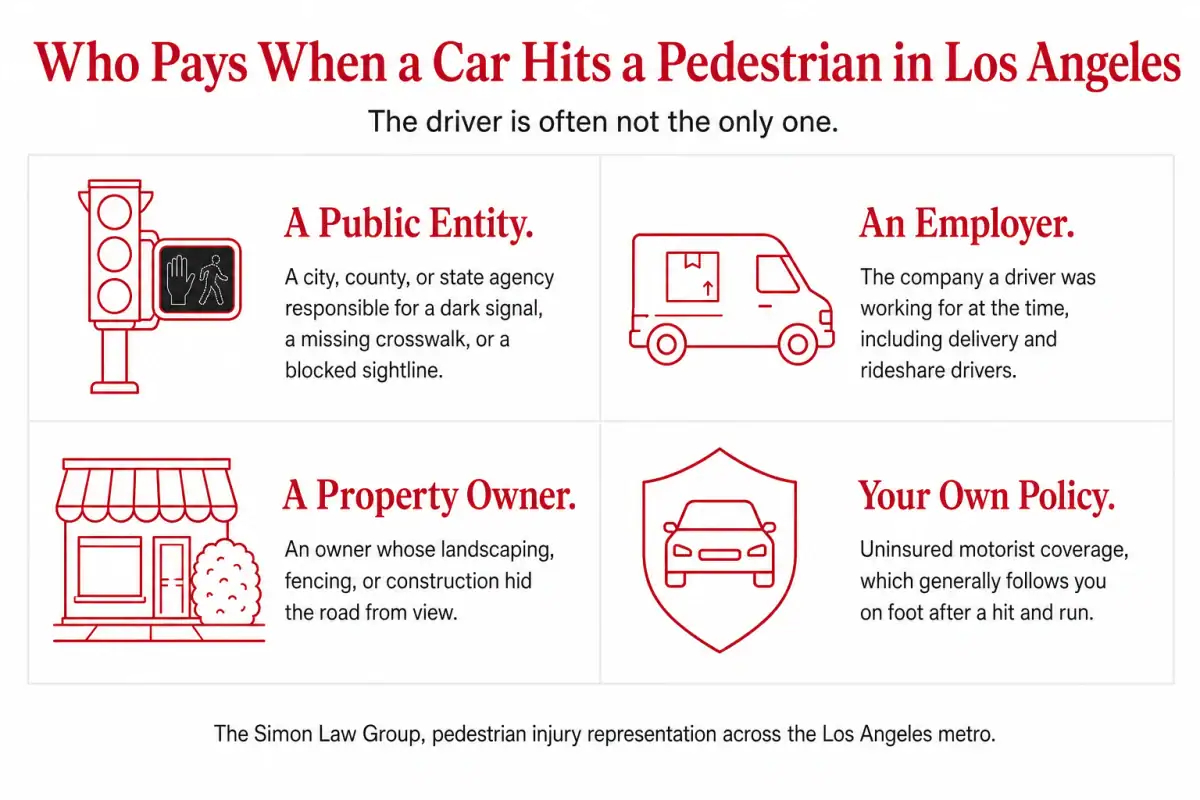
Most pedestrian cases get treated as one driver against one walker. We look for the second defendant first. The city that left a crosswalk signal dark. The county that let a hedge swallow a sightline. The employer whose driver was on the clock. That second defendant is usually where the real coverage sits, because a minimum auto policy rarely covers what happens to a person with no car around them. The Simon Law Group is a Los Angeles trial firm, based in Torrance, that has recovered hundreds of millions of dollars for injured Californians. Our attorneys recently recovered $2.82 million for a client who was struck by a semi-truck while on foot.
Every case is different. Past results do not guarantee a similar outcome.
Drivers owe you care at every intersection, marked crosswalk or not. California Vehicle Code 21950 is direct about it [1]. A driver must yield to anyone crossing in a marked or unmarked crosswalk at an intersection. Fault usually turns on who had the right of way and who was actually looking. And being partly careless yourself does not end your claim.
The same statute cuts both ways. Section 21950(b) says you still have to use due care. You cannot step off a curb into a car that is already too close. Expect the insurance company to quote that line back at you.
But section 21950(c) is the part they skip. It tells a driver approaching a crosswalk to slow down. They owe all due care to the person in it. Say the driver was speeding, turning left across a walk signal, or looking at a phone. They don’t get to hide behind your last few steps.
Los Angeles makes this worse than it sounds. Blocks between signalized crossings run long here, arterials are wide, and left-turning drivers watch for oncoming cars instead of people. Someone doing everything right can still be struck in a marked crosswalk. If your crash happened in the South Bay, our Torrance pedestrian accident lawyers handle those cases out of our main office. We also represent people hurt walking in Hermosa Beach and the neighboring beach cities.
The driver’s policy is often too small for what happened to you. A second responsible party frequently exists, and finding it is where meaningful recovery comes from. That might be a public entity that maintained a dangerous crossing. It might be a company whose driver was working. Sometimes it’s a property owner whose landscaping hid the road.
Think about what the scene actually looked like:
Roadway in the Los Angeles metro is not owned by one agency. The City of Los Angeles, LA County, Caltrans, and cities like Torrance each control different streets. Naming the right one matters, and naming the wrong one wastes the only shot you get.
Here’s what we tell clients. If a public entity is on the hook, your deadline is not two years. It’s six months. That single fact is covered below, and it’s the reason this section exists.
Crossing outside a crosswalk does not end your claim. California still requires drivers to use due care toward anyone in the road. It says so inside the very statute the insurer will quote at you. Your share of fault reduces what you recover. It does not erase it.
Vehicle Code 21955 says pedestrians should cross at a crosswalk between adjacent signalized intersections [2]. That part has not changed, and you should know it. What changed in 2023 is enforcement. Under the Freedom to Walk Act, an officer cannot stop you for it. The one exception is an immediate danger of collision.
Now read the rest of that statute, because almost nobody does. Section 21955(b)(3) is plain. None of this relieves a driver of the duty to use due care toward any pedestrian in the roadway. The law that supposedly makes it your fault says the driver still owed you care.
Most LA blocks are not between two signalized intersections, so the rule that usually applies is Vehicle Code 21954 [5]. It asks a pedestrian outside a crosswalk to yield to traffic that is close enough to be an immediate hazard. Then subsection (b) says the same thing again: none of that relieves the driver of the duty to use due care for your safety. Both statutes protect you. Insurers quote the first half of each.
California is also a pure comparative negligence state. If your damages are $1 million and you’re found 30 percent responsible, you recover $700,000. There’s no cutoff that bars you at 50 percent like some states have. People walk away from real claims because they assume being outside the lines means being out of luck. It doesn’t.
A hit and run does not leave you with nothing. Uninsured motorist coverage on your own auto policy generally follows you on foot. Your car can be parked at home. Most people have no idea that coverage reaches them there.
Two conditions matter enormously here, and they are in the statute. When the driver is never identified, California requires that the vehicle actually made physical contact with you, and that the crash was reported to police within 24 hours [6]. That second one is a deadline most people blow without knowing it existed. If you were hit days ago and never filed a report, call us today rather than tomorrow.
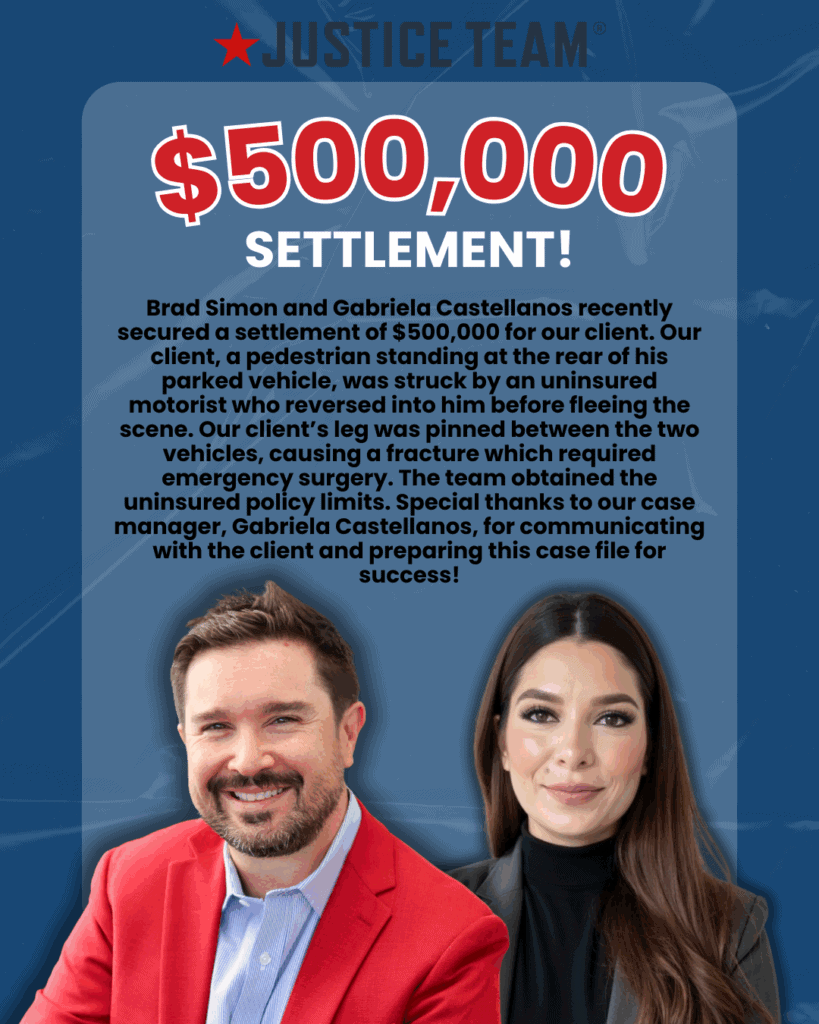
Our attorneys obtained $500,000 for a client hit by an uninsured motorist. That was the full policy limit, on a leg fracture.
Things worth doing right away:
Camera footage is the piece people lose. Most systems overwrite within days. A quick request in the first week often saves the whole case.
Value comes from medical costs, lost earnings, and the human losses that follow a serious injury. Pedestrian cases run high because nothing absorbs the impact. There’s no frame, no airbag, no seatbelt. Orthopedic injuries, brain injuries, and spinal injuries are common, and so are long recoveries.
California does not cap economic or non-economic damages in a general injury case. That covers surgeries and future care. It covers wages you lost and wages you’ll never earn. It covers the pain you live with afterward.
Serious Los Angeles cases often route through the county’s Level I trauma network. Think Harbor UCLA in the South Bay, or LAC+USC in Boyle Heights. Those records carry weight, and the treatment costs behind them are real numbers, not estimates.
Our attorneys recovered $1 million for a minor struck while walking to school. The injuries were a concussion and a closed head injury. That was the available policy limit.
Most Los Angeles injury lawsuits are filed in Los Angeles County Superior Court. Injury cases in the court’s Central District are handled at the Stanley Mosk Courthouse, 111 North Hill Street in downtown Los Angeles [7]. If you were hurt in the South Bay, the Torrance courthouse is the local branch, and our main office sits a few minutes from it.
Pedestrian cases add a step most injury cases do not have. Before venue, you have to know who owns the road. The City of Los Angeles, Los Angeles County, and Caltrans each control different streets in this metro, and individual cities like Torrance or Santa Monica control their own. A crosswalk on a state route is not the city’s problem, and a claim filed against the wrong agency is a claim you lose on paperwork rather than facts.
That question has to be answered early, because a public entity gets a six-month claim deadline instead of two years. Identifying the right agency, presenting the claim, and filing suit inside the window under Government Code 945.6 is work that happens while you are still in treatment. Your lawyer handles the filing, the venue, and every deadline, so you are not learning the county’s map while you heal.
Where you were treated matters too. Someone hurt badly enough for a trauma team is usually taken to a Level I center: LA General Medical Center, formerly LAC+USC, near downtown, Harbor-UCLA in the South Bay, or Ronald Reagan UCLA in Westwood. Those records become the backbone of the case, so we request them early and read them line by line. The gap between what a bill says today and what an injury costs for the rest of a life is where a serious case is won.
Most California injury claims give you two years from the date of injury under Code of Civil Procedure 335.1 [3]. If a public entity is responsible, you get six months to present a written claim under Government Code 911.2 [3]. Miss it and you are asking a judge for permission to proceed, which is a fight you can lose.
There is a second six-month clock, and it is the one that quietly ends these cases. Once the public entity rejects your claim in writing, you have six months from that rejection to file suit under Government Code 945.6 [4]. Not two years. People assume the rejection letter starts a long clock. It starts a short one.
Six months sounds like plenty. It isn’t, when you’re having surgery, missing work, and trying to figure out who owns the intersection. That investigation takes time, and it has to happen before the clock runs, not after.
A wrongful death claim runs two years from the date of death. If a public entity is involved there, the same six-month notice applies.
So the practical answer is simple. Does anything about the crash point at the road, the signal, the lighting, or a government vehicle? Treat your deadline as six months until someone confirms otherwise. The safest move is to have someone look at it now, while the evidence and the deadlines are both still in reach. You can start a free case review in a couple of minutes.
We treat clients like family, we answer the phone day or night, and you work with real attorneys, not just staff. Our firm was built after a drunk driver hurt a member of our own family, and a good lawyer helped that person rebuild. That is still why we do this.
The firm was founded by brothers Robert and Brad Simon. Robert, our founding trial partner, is admitted in California and Arizona and is a multiple-time Trial Lawyer of the Year voted by his peers. Brad has been named to Super Lawyers every year from 2014 through 2023 and is admitted before the United States Supreme Court. When a case has to be tried, that trial reputation moves the settlement number.
What we do differently on these cases is in the second section of this page. We do not stop at the driver. We ask who owned the road, who timed the signal, who let the hedge grow, and who was on the clock, because that is usually where the coverage is. A driver carrying California’s minimum policy cannot begin to pay for a serious pedestrian injury.
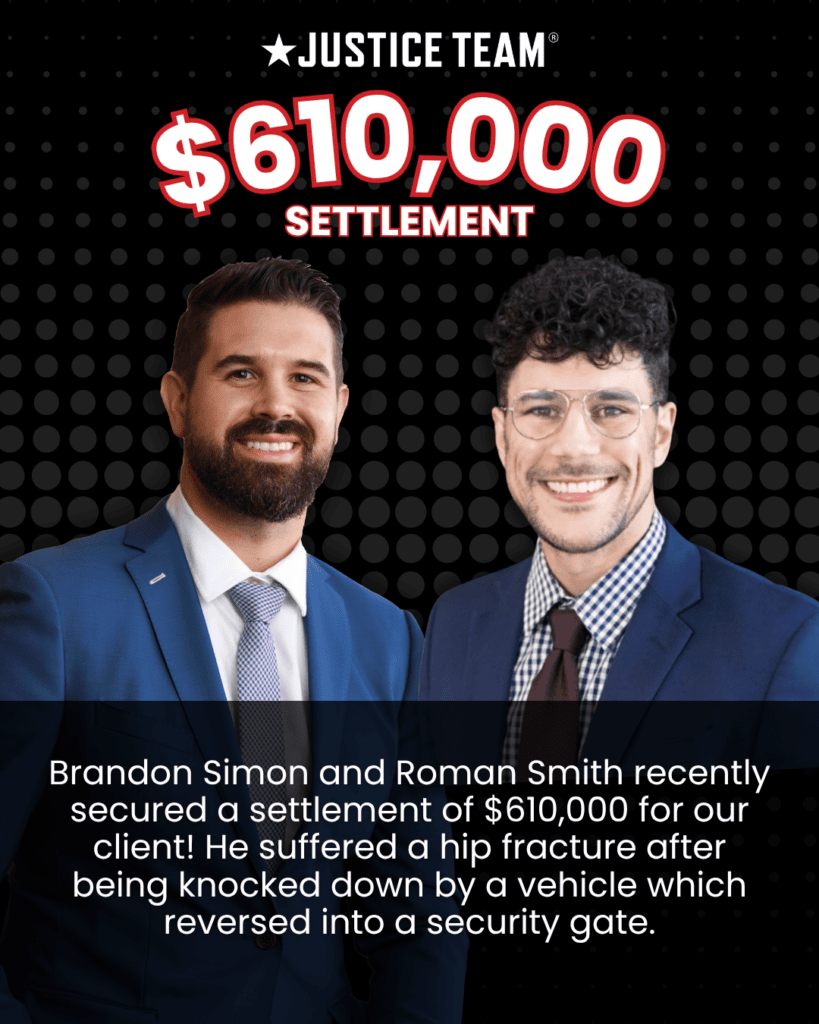
Results we have obtained for people hurt while on foot include a $2.82 million settlement for a client struck by a semi-truck, $1 million for a minor struck while walking to school, and $500,000, the full policy limit, for a client hit by an uninsured motorist. Every case is different, and prior results do not guarantee a similar outcome.
Our main office is in Torrance, and we represent injured pedestrians across the whole metro. Wherever you were hit, you can reach a local team through our Torrance pedestrian accident lawyers and our Hermosa Beach pedestrian accident page.
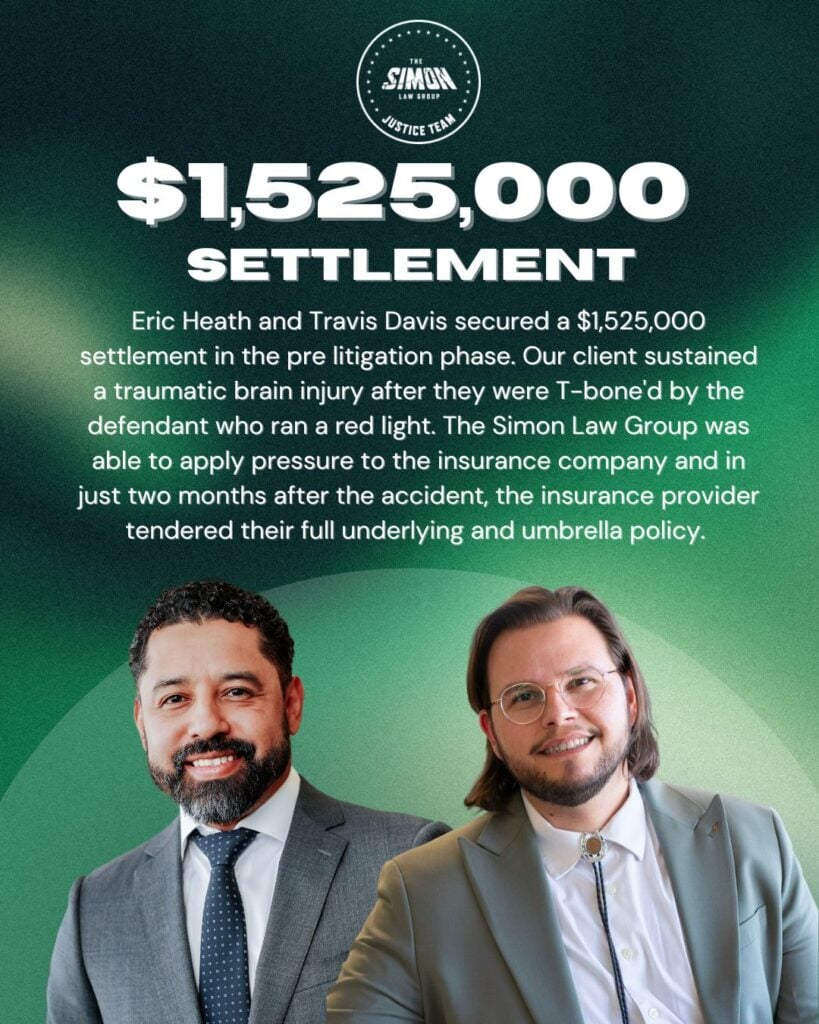
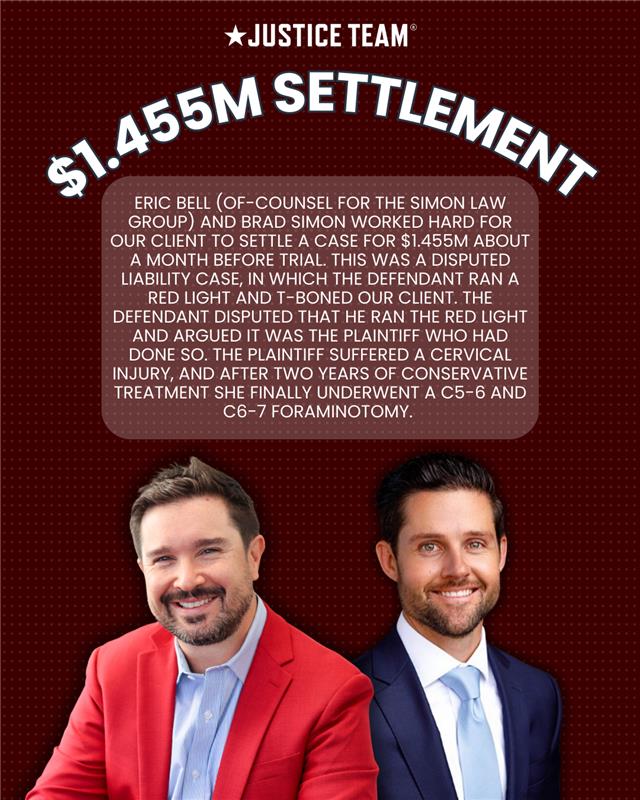
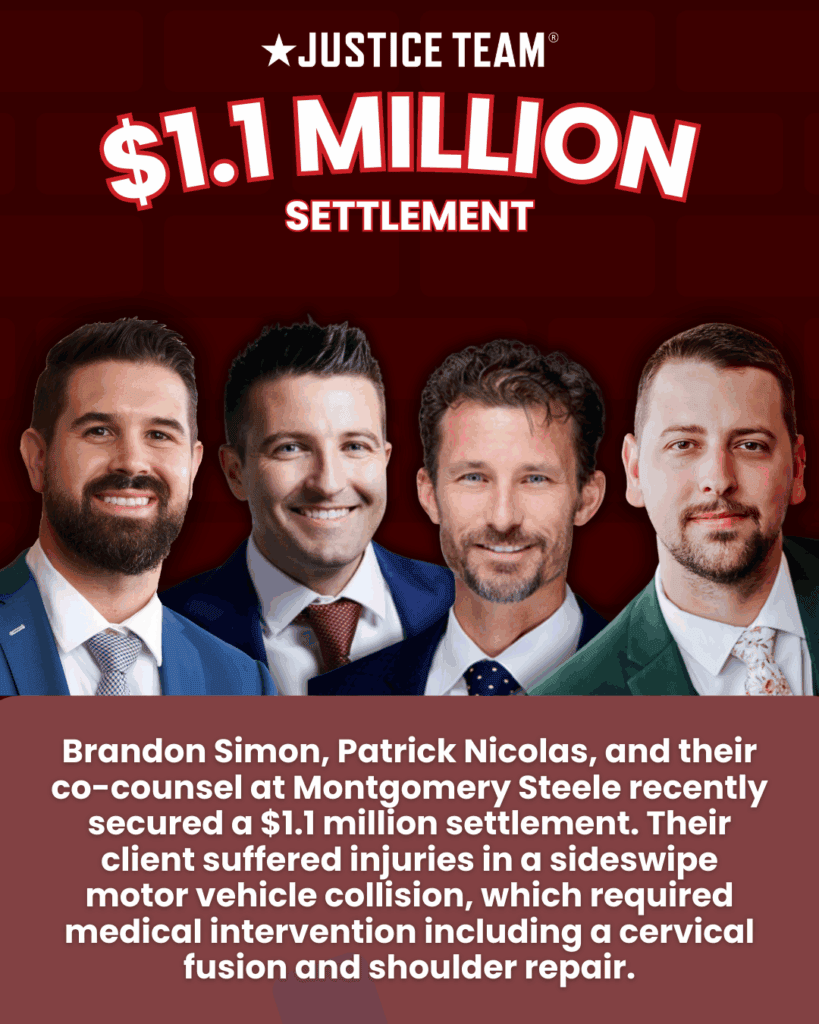
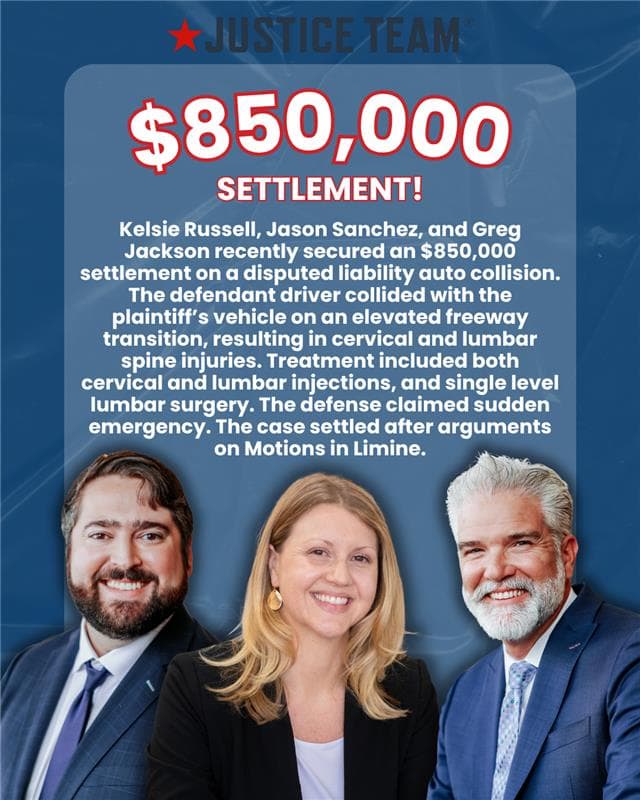
Prior results do not guarantee a similar outcome.
Sources:
[1] California Vehicle Code 21950, driver duty to yield to pedestrians
[2] California Vehicle Code 21955, as amended by the Freedom to Walk Act (AB 2147)
[3] California Code of Civil Procedure 335.1 and Government Code 911.2
[4] California Government Code 945.6, deadline to sue after a public entity rejects a claim
[5] California Vehicle Code 21954, pedestrians outside a crosswalk
[6] California Insurance Code 11580.2(b), uninsured motorist conditions for an unidentified driver
Usually, yes. California uses pure comparative negligence, so being partly at fault reduces your recovery instead of barring it. Vehicle Code 21955 also says plainly that a driver still owes due care to any pedestrian in the roadway, which is the part insurers leave out.
Be careful. Early offers usually arrive before anyone knows the full extent of your injuries, and accepting one closes the claim for good. Once you sign, you cannot reopen it if you need surgery later. Have a lawyer look at the offer first. It costs you nothing.
Often your own uninsured motorist coverage, which generally follows you as a pedestrian even though you were not in your car. Most people do not realize it reaches them on foot. Report the collision to police and to your own insurer in writing as soon as you can.
A public entity may be liable, and that changes your deadline. A claim against a city, county, or state agency has to be presented in writing within six months under Government Code 911.2, not the usual two years. The investigation to identify the right agency takes time, so start early.
Generally two years from the date of injury under Code of Civil Procedure 335.1. A wrongful death claim runs two years from the date of death. If a government entity is involved, a six-month claim notice applies instead, and missing it can end the case.
Nothing up front. The Simon Law Group works on contingency, so there are no fees or costs unless we win. The first consultation is free, and the fee comes out of the recovery rather than your pocket.
Call (424) 622-0812 or fill out our form. No fees or costs unless we win.
Our Location